

Blog
Why Is a 48V Lithium Ion Battery Perfect for Electric Bikes?

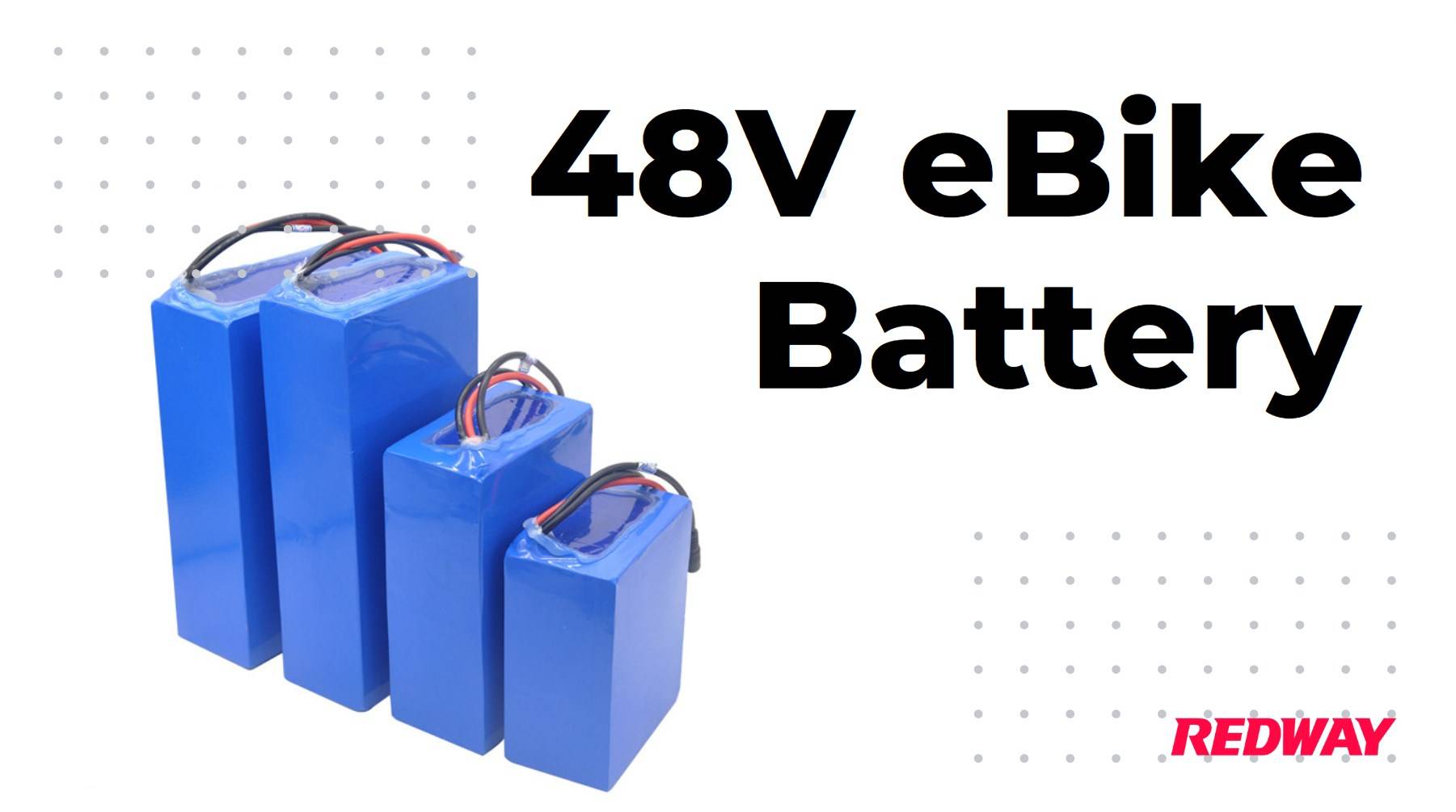
A 48V lithium-ion battery is ideal for electric bikes due to its lightweight design, high energy density, quick charging capabilities, and enhanced safety features, making it a popular choice among riders seeking performance and reliability.
What Are the Benefits of Using a 48V Lithium Battery for Electric Bikes?
The benefits of using a 48V lithium battery in electric bikes are extensive, primarily revolving around improved efficiency, longer range, and lighter weight compared to traditional lead-acid batteries. These batteries enable riders to travel greater distances without frequent recharges while maintaining optimal performance.Chart: Benefits of 48V Lithium Batteries

| Benefit | Description |
|---|---|
| Longer Range | Provides more power for extended rides |
| Lightweight | Enhances bike performance by reducing overall weight |
| Faster Charging | Reduces downtime significantly |
How Does the Battery Specification Affect Performance?
Battery specifications such as capacity, voltage, and discharge rates directly impact an electric bike’s performance. A 48V lithium battery, typically offering capacities ranging from 10Ah to over 30Ah, ensures that riders can achieve higher speeds and longer distances, making it suitable for various terrains.Chart: Capacity Comparison
| Capacity (Ah) | Range (Miles) | Typical Use Case |
|---|---|---|
| 10Ah | Up to 30 | Commuting |
| 20Ah | Up to 60 | Recreational Riding |
| 30Ah | Up to 80 | Long-Distance Touring |
What Safety Features Are Essential in a 48V Lithium Battery?
Safety features are crucial when selecting a 48V lithium battery for electric bikes. Essential elements include built-in battery management systems (BMS) that prevent overcharging, overheating, and short circuits, ensuring safe operation during rides.
How Do 48V Lithium Batteries Compare to Lead-Acid Batteries?
When comparing 48V lithium batteries to lead-acid alternatives, several advantages emerge: lithium batteries are lighter, have longer lifespans, and offer better energy efficiency, making them a more practical choice for modern electric bikes.Chart: Comparison of Battery Types
| Feature | Lead-Acid | Lithium |
|---|---|---|
| Weight | Heavier | Lighter |
| Lifespan | Shorter (3-5 years) | Longer (up to 10 years) |
| Charging Time | Slower | Faster |
What Practical Design Elements Enhance Usability?
Practical design elements such as removable battery packs allow users to charge their batteries conveniently without needing to bring the entire bike indoors. Additionally, safety locks prevent theft while riding or parked.

How Can You Ensure Compatibility with Your E-bike?
To ensure compatibility between your 48V lithium battery and your e-bike, verify that the voltage matches your motor’s requirements and check frame dimensions to accommodate the battery size comfortably.
What Are the Environmental Benefits of Using Lithium Batteries?
Using lithium batteries contributes positively to environmental sustainability due to their longer lifespan and recyclability compared to lead-acid batteries, which often contain toxic materials that can harm ecosystems.
How Long Do 48V Lithium Batteries Typically Last?
With proper care and maintenance, a 48V lithium battery can last anywhere from three to five years or more, depending on usage patterns and environmental conditions.
What Maintenance Practices Should Be Followed for 48V Lithium Batteries?
To maintain optimal performance from your 48V lithium battery, regular checks on charge levels, ensuring proper connections, and avoiding extreme temperatures are recommended practices that enhance longevity.
Expert Views
“Switching to a lithium battery system not only boosts your e-bike’s performance but also aligns with eco-friendly practices that benefit our environment,” says cycling technology expert Jane Smith.
FAQ Section
- What is the average lifespan of a 48V lithium battery?
A well-maintained battery can last between three to five years or longer. - Are there any environmental benefits associated with using lithium batteries?
Yes, they are more sustainable due to their recyclability and longer lifespan compared to lead-acid batteries. - How can I ensure my battery is compatible with my e-bike?
Check that the voltage matches your motor’s requirements and verify that it fits within your bike’s frame dimensions.
