

Blog
What You Need to Know About a 60V Lithium Battery Pack

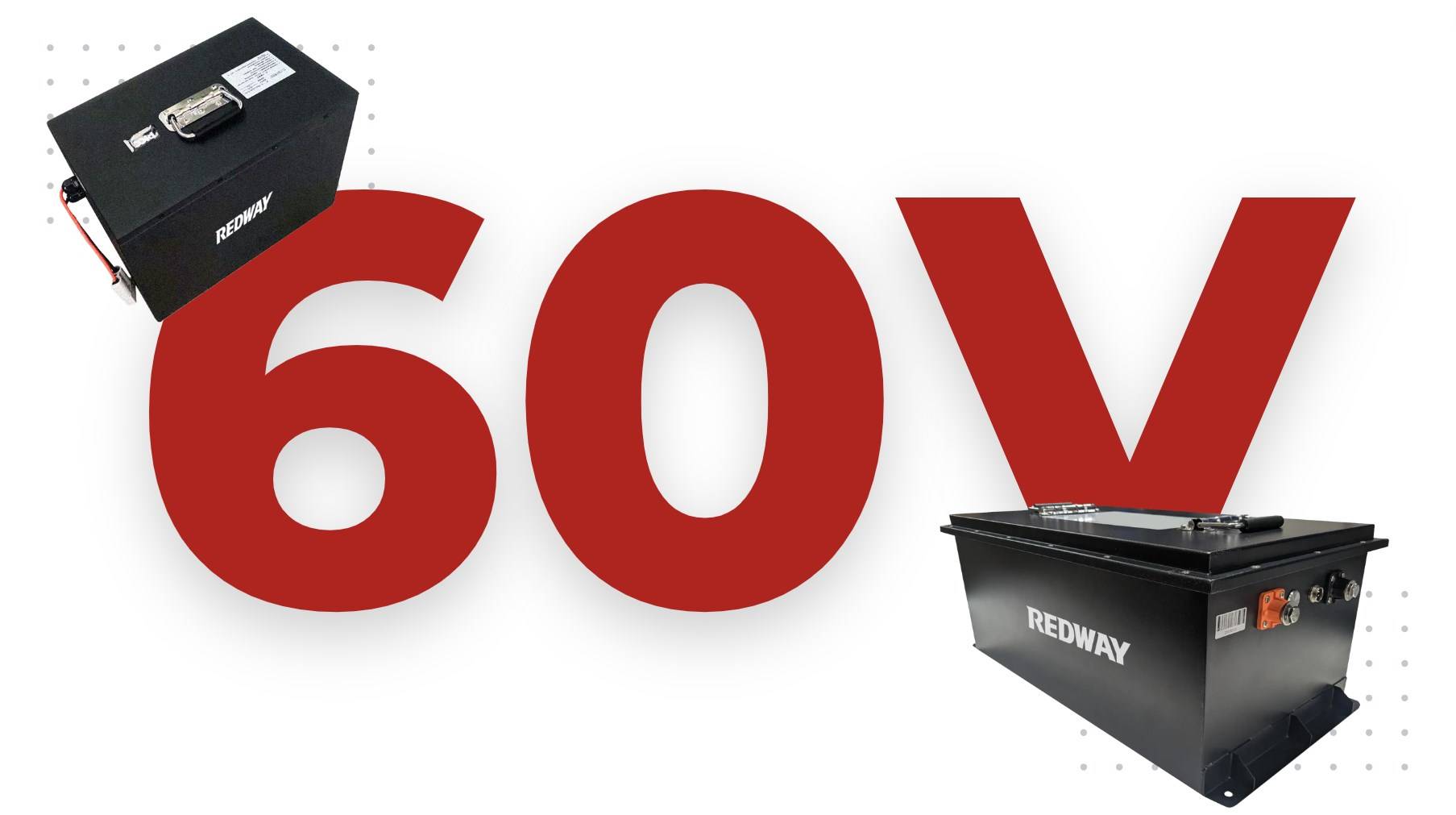
A 60V lithium battery pack offers significant advantages, including high energy density, lightweight design, and long lifespan, making it ideal for various applications such as electric vehicles and renewable energy systems. This article explores its benefits, performance characteristics, and practical uses, helping you understand why it’s an excellent choice for your energy needs.
What are the advantages of a 60V lithium battery pack?
The advantages of using a 60V lithium battery pack include:

- High Energy Density: Allows for more power storage in less physical space.
- Long Lifespan: These batteries typically last longer than traditional lead-acid alternatives, often exceeding several thousand charge cycles.
- Fast Charging Capabilities: Reduces downtime and increases productivity.
| Advantage | Description |
|---|---|
| High Energy Density | More power in less space |
| Long Lifespan | Reduces replacement frequency |
| Fast Charging | Minimizes downtime between uses |
What applications commonly use a 60V lithium battery?
A variety of applications benefit from using a robust and efficient power source like the 60V lithium battery pack:
- Electric Vehicles (EVs): Provides reliable power for extended driving ranges.
- Renewable Energy Systems: Stores excess energy generated from solar panels or wind turbines.
- Power Tools: Ensures consistent power delivery for heavy-duty tools.
This versatility makes it an excellent choice across multiple domains.
How does the performance of a 60V lithium battery compare to other types?
When compared to lead-acid or nickel-cadmium batteries, the performance advantages of a 60V lithium battery pack are significant:
- Higher efficiency with less energy loss during discharge.
- Consistent voltage output throughout its discharge cycle.
These factors contribute to better overall performance in demanding applications.

| Comparison Factor | Lead-Acid | Lithium-Ion |
|---|---|---|
| Efficiency | Lower | Higher |
| Weight | Heavier | Lighter |
| Lifespan | Shorter (300–500 cycles) | Longer (up to >2000 cycles) |
What specifications should you consider when choosing a lithium battery?
When selecting a lithium battery, consider specifications such as:
- Voltage Rating: Ensure it matches your application requirements.
- Capacity (Ah): Determines how long your device can run on a single charge.
For example, higher capacity means longer usage times without needing frequent recharges.
| Specification | Importance |
|---|---|
| Voltage Rating | Ensures compatibility with your system |
| Capacity | Affects runtime and efficiency |
What features make lithium-ion batteries suitable for electric vehicles?
Lithium-ion batteries offer several key features that enhance their suitability for electric vehicles:
- Fast Charging Capabilities: Reduces downtime between uses.
- High Discharge Rates: Supports acceleration and performance needs.
These characteristics make them ideal for modern electric vehicle designs.
What maintenance practices can extend the life of a 60V lithium battery?
To maximize your battery’s lifespan:
- Regularly check connections for corrosion.
- Store at moderate temperatures when not in use.
- Avoid deep discharges; recharge before reaching critically low levels.
| Maintenance Practice | Frequency |
|---|---|
| Check Connections | Monthly |
| Store Properly | As needed |
| Recharge Before Low | Every use |
How do temperature variations affect the performance of lithium batteries?
Temperature extremes can significantly impact performance; high temperatures may accelerate degradation while low temperatures can reduce capacity temporarily. Maintaining an optimal operating temperature range is essential for maximizing efficiency.
Where can you purchase reliable 60V lithium batteries?
Reliable sources for purchasing quality batteries include authorized dealers, reputable online retailers specializing in electronics or renewable energy products, and direct manufacturer websites that offer warranties and customer support.
Expert Views
“Investing in high-quality lithium-ion technology like the versatile and powerful 60V packs not only enhances your device’s performance but also ensures longevity; understanding how to care for these batteries will maximize your investment,” says Jane Doe, an expert in renewable energy solutions.
FAQ Section
- Can I replace my lead-acid battery with a lithium-ion battery?
Yes, but ensure compatibility with your device’s system specifications. - What should I do if my battery shows signs of swelling or damage?
Immediately discontinue use and consult with a professional; this may indicate serious issues that require attention. - How should I charge my lithium-ion battery?
Use a charger specifically designed for lithium chemistry to avoid damage and ensure optimal performance.
