Blog
What Happens to Batteries Over Time?

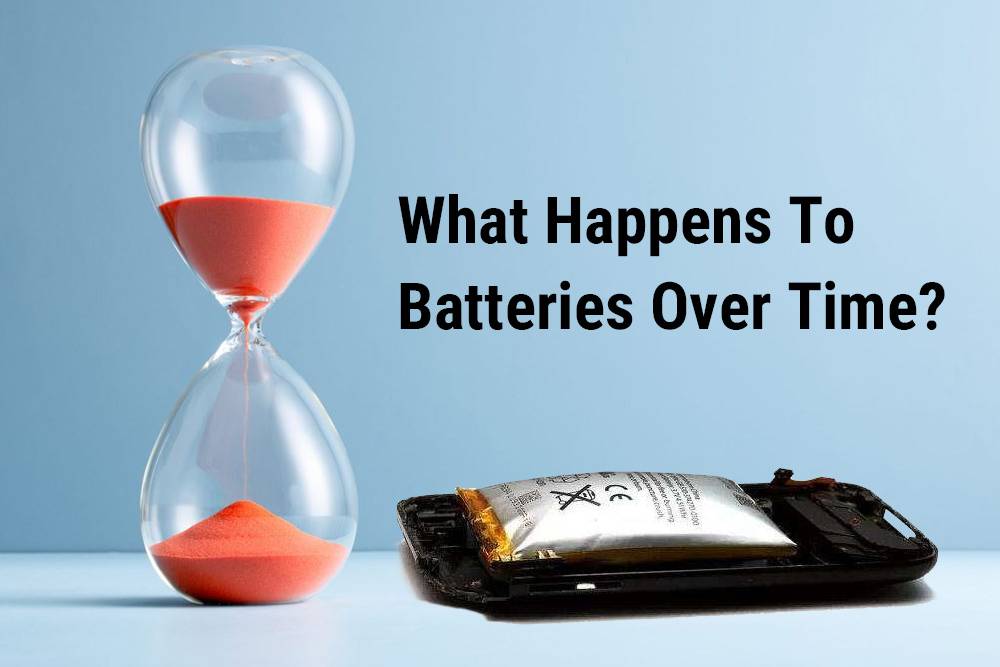
Batteries undergo various changes as they age, leading to a gradual decline in their ability to hold charge and deliver power. This process, known as battery degradation, is influenced by factors such as charge cycles, temperature, and usage patterns. Understanding these changes is crucial for maximizing battery lifespan and performance.
What Is Battery Degradation?
How does battery degradation occur?
Battery degradation refers to the gradual loss of a battery’s capacity to store and deliver energy over time. This phenomenon is inherent in all rechargeable batteries, including lithium-ion and lead-acid types. Degradation occurs due to chemical reactions within the battery that are not fully reversible.What are the main causes of battery degradation?
The primary causes of battery degradation include:

- Cycling: Each charge and discharge cycle puts stress on the battery components, leading to capacity loss.
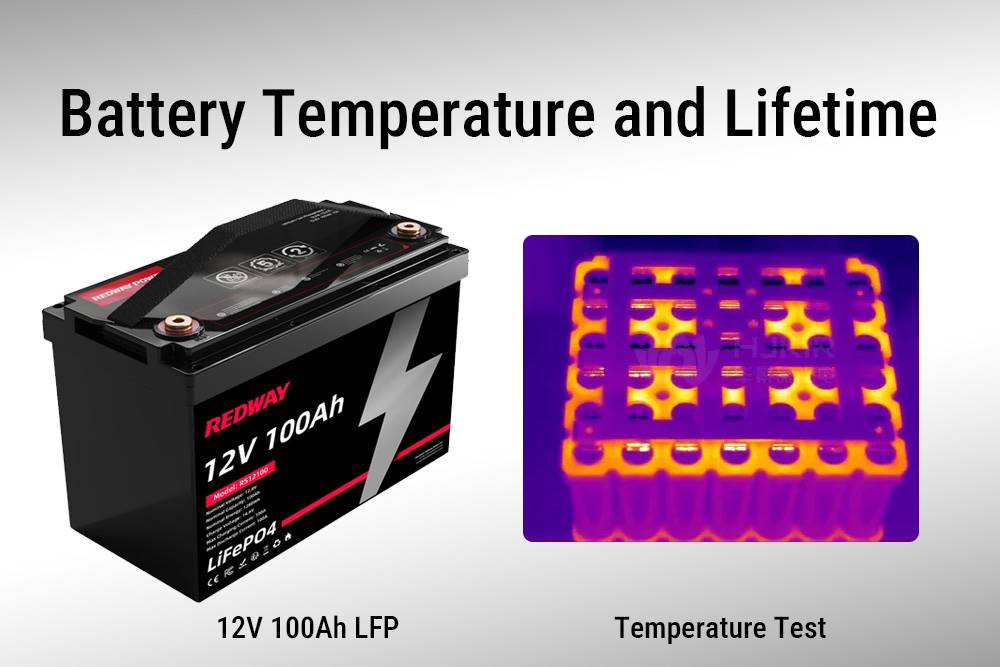
- Temperature Effects: Extreme temperatures can accelerate chemical reactions that degrade battery materials.
- Calendar Aging: Even when not in use, batteries degrade due to internal chemical reactions.
| Cause of Degradation | Description |
|---|---|
| Cycling | Stress from repeated charge/discharge cycles |
| Temperature | High heat accelerates breakdown; cold slows performance |
| Calendar Aging | Gradual loss of capacity over time |
How Do Charge Cycles Affect Battery Life?
What are charge cycles?
A charge cycle refers to one complete discharge and recharge of a battery. The depth of discharge (DoD) during each cycle significantly impacts how quickly a battery degrades. Deeper discharges typically lead to faster degradation.How does depth of discharge influence degradation?
Batteries that are frequently discharged deeply (e.g., down to 0% capacity) experience more stress than those that are only partially discharged. For instance, maintaining a DoD of 20% can extend a battery’s lifespan compared to cycling it down to 0%.
Why Are Temperature Conditions Important?
How do temperature extremes affect batteries?
Extreme temperatures can severely impact battery health. High temperatures can cause:
- Increased internal resistance
- Faster chemical reactions leading to capacity loss
- Risk of thermal runaway in lithium-ion batteries
Conversely, cold temperatures can hinder a battery’s ability to charge and discharge efficiently.
| Temperature Impact | Effect on Battery |
|---|---|
| High Temperatures | Accelerated degradation and potential failure |
| Low Temperatures | Reduced efficiency and performance |
What Are the Signs of Battery Aging?
What indicators show that a battery is aging?
Key signs of aging batteries include:

- Capacity Fade: A noticeable decrease in the amount of energy the battery can store.
- Increased Internal Resistance: Slower charging times and reduced power output.
- Heat Generation: Excessive heat during charging or discharging indicates inefficiency.
How Can Battery Lifespan Be Extended?
What practices help prolong battery life?
To maximize battery lifespan, consider the following practices:
- Proper Charging Techniques: Avoid deep discharges and high charging rates. Aim for shallow discharges.
- Temperature Management: Keep batteries within recommended temperature ranges, avoiding extremes.
- Regular Maintenance: For lead-acid batteries, ensure proper fluid levels and clean terminals.
What Is the Future of Battery Technology?
How is technology evolving to combat degradation?
Advancements in battery technology focus on improving longevity and performance. Innovations include:
- Smart Battery Management Systems (BMS): These systems monitor battery health and optimize charging cycles.
- New Chemistries: Research into solid-state batteries promises longer lifespans with reduced degradation rates.
Industrial News
Recent developments in battery technology emphasize the importance of managing degradation for longer-lasting energy storage solutions. Companies are investing in research to develop batteries with improved thermal management systems and more resilient chemistries. Additionally, regulatory bodies are advocating for better recycling practices to mitigate environmental impacts associated with degraded batteries.
Redway Power Expert Views
“Understanding how batteries degrade over time is essential for both consumers and manufacturers,” states an expert from Redway Power. “By implementing best practices for charging and monitoring conditions, we can significantly extend the useful life of batteries.”
FAQs
How can high-tech batteries stored in pockets impact modern society?
How has lithium-ion technology advanced the capabilities of batteries?
What are some types of batteries with low self-discharge rates?
What is the discharge programmed into Battle Born Lithium Batteries for optimal storage?