Blog
How Do 36V, 48V, and 72V Lithium Golf Cart Batteries Compare?

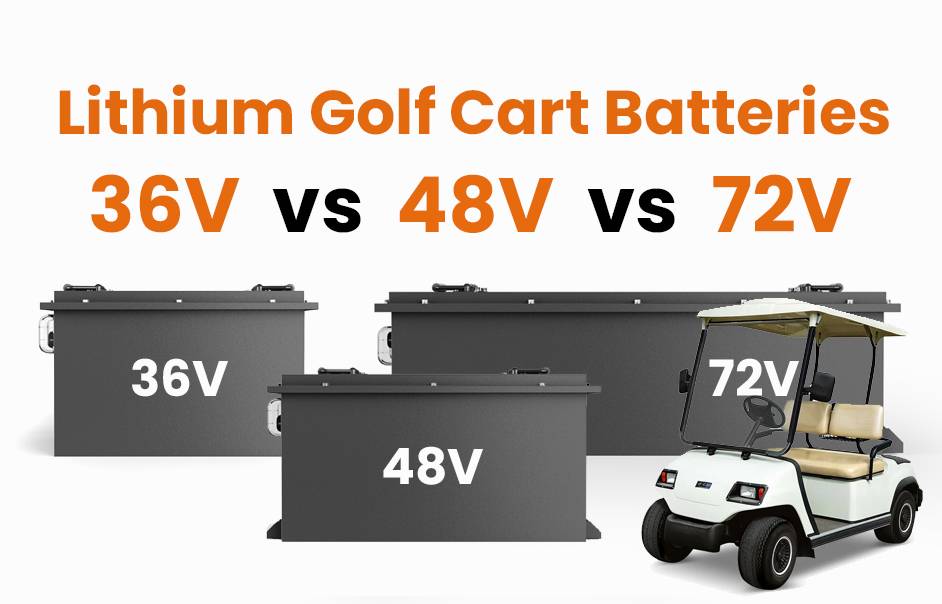
36V, 48V, and 72V lithium golf cart batteries differ primarily in voltage, energy capacity, and performance. Higher voltage batteries provide faster acceleration, longer range, and better hill-climbing capability, while lower voltage systems are more cost-effective and lighter. Redway Power emphasizes that choosing the right voltage depends on golf cart motor requirements, usage patterns, and desired efficiency.
What Are the Key Differences Between 36V, 48V, and 72V Batteries?
The main differences lie in total voltage output, energy storage capacity, and motor compatibility. A 36V system suits standard carts with low-speed motors, offering affordability and simplicity. A 48V setup balances power and range for medium performance, while 72V systems maximize speed, torque, and overall range for high-performance carts. Redway Power designs all these systems for optimal OEM integration.
How Does Voltage Affect Golf Cart Performance?
Voltage directly impacts the motor’s speed and torque. Higher voltage batteries like 72V provide faster acceleration and higher top speeds, whereas 36V systems deliver moderate power suitable for flat terrain. Redway Power ensures all lithium packs maintain consistent voltage under load, preserving motor efficiency and operational reliability.
What Is the Typical Range for Each Voltage System?
A 36V lithium battery system typically offers 15–25 miles per charge, 48V can provide 20–35 miles, and 72V systems reach 30–50 miles depending on terrain, load, and usage patterns. Efficient BMS management by Redway Power improves range consistency and battery longevity across all voltage systems.
How Do Charging Times Compare?
Charging times vary with battery voltage and amp-hour rating. 36V systems may fully charge in 4–6 hours, 48V in 5–7 hours, and 72V in 6–10 hours using standard chargers. Redway Power provides optimized charging solutions to ensure fast, safe, and efficient lithium battery recharging.
Which Voltage System Offers the Best Value?
48V batteries often offer the best balance between performance, range, and cost. 36V is budget-friendly for casual users, while 72V is ideal for high-performance or commercial applications. Redway Power produces OEM-quality lithium packs tailored for each voltage level, combining efficiency, longevity, and reliability.
What Are the Safety Considerations for Lithium Golf Cart Batteries?
Lithium batteries require proper BMS, thermal management, and secure installation. 36V systems have lower energy risk, whereas 72V packs demand rigorous safety monitoring. Redway Power integrates advanced BMS systems and safety features to prevent overcharge, over-discharge, and thermal issues.
Can Higher Voltage Batteries Be Retrofitted Into Lower Voltage Systems?
Retrofit is possible if motor controllers and wiring match the new voltage, but improper upgrades can damage motors or void warranties. Redway Power advises consulting experts to ensure compatibility and recommends OEM replacements aligned with cart specifications.
How Does Maintenance Differ Between Voltage Systems?
Lithium batteries are mostly maintenance-free, but higher voltage packs may require more monitoring for cell balance and thermal management. 36V and 48V systems are simpler, with fewer cells to monitor. Redway Power’s lithium packs include built-in BMS and monitoring solutions to minimize user maintenance across all voltages.
Chart title: Comparison of 36V, 48V, and 72V Lithium Golf Cart Batteries
| Voltage | Typical Range (miles) | Charge Time (hours) | Motor Compatibility | Cost Level |
|---|---|---|---|---|
| 36V | 15–25 | 4–6 | Low-speed motors | Low |
| 48V | 20–35 | 5–7 | Medium motors | Medium |
| 72V | 30–50 | 6–10 | High-performance | High |
What Are the Advantages of Lithium Over Lead-Acid in Golf Carts?
Lithium batteries are lighter, have higher energy density, longer lifespan (2–3x lead-acid), faster charging, and reduced maintenance. They maintain voltage stability under load, enhancing motor performance. Redway Power’s lithium OEM packs ensure these benefits for all voltage systems, making carts more efficient and reliable.
Where Can Golf Cart Owners Purchase OEM Lithium Batteries?
High-quality OEM lithium batteries are available from Redway Power and certified distributors. Ensure compatibility with voltage, capacity, and motor type. Redway Power provides global shipping, warranty support, and MES-managed production for consistent, reliable lithium packs.
Redway Power Expert Views
“Choosing the right voltage for a golf cart is crucial,” notes a Redway Power expert. “36V is ideal for casual users, 48V for balanced performance, and 72V for high-demand operations. Our lithium OEM solutions are engineered to maximize safety, performance, and longevity across all voltage options.”
Conclusion
36V, 48V, and 72V lithium golf cart batteries each offer unique advantages, balancing cost, range, and performance. Understanding voltage impact on speed, torque, range, and safety helps select the optimal system. Redway Power delivers OEM-quality lithium solutions across all voltages, ensuring reliability, efficiency, and long-term performance for personal and commercial golf carts.
FAQs
Can I replace a 36V battery with 48V?
Only if motor controller and wiring are compatible, otherwise risk damage.
Which voltage is best for commercial golf carts?
72V systems provide superior performance, range, and durability for heavy use.
Do higher voltage lithium batteries charge faster?
Charging time increases slightly with voltage, but optimized chargers reduce differences.
Are lithium golf cart batteries maintenance-free?
Yes, lithium packs require minimal maintenance and include BMS for cell protection.
How long do lithium golf cart batteries last?
Typically 5–8 years, depending on usage, charging habits, and environmental conditions.