LiFePO4 batteries are considered safer than other lithium batteries because they are incombustible and will not burn when exposed to fire. This is an important feature in the event of mishandling during charging or discharging.
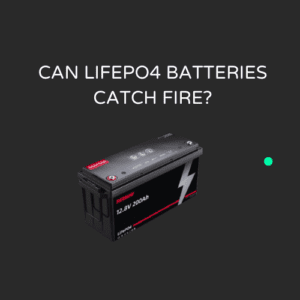
- Incombustible Nature: LiFePO4 batteries are known for their incombustible properties, making them resistant to catching fire.
- Fire Safety: Unlike some other lithium batteries, LiFePO4 batteries will not burn when exposed to fire, adding an extra layer of safety.
- Mishandling Protection: The incombustible nature of LiFePO4 batteries ensures a reduced risk of fire, even in situations involving mishandling or accidents.
With their incombustible nature and fire safety features, LiFePO4 batteries provide a safer option for various applications.
Lithium iron phosphate (LiFePO4) batteries are known for their stability and safety compared to other lithium-ion battery types.
While they are generally considered safe, under certain conditions, they can catch fire, particularly during thermal runaway events. Understanding their characteristics and safety features is crucial for safe usage.
What are lithium iron phosphate (LiFePO4) batteries?
LiFePO4 batteries are a type of lithium-ion battery that uses iron phosphate as the cathode material. They are known for their:
- Stability: Less prone to overheating and thermal runaway.
- Long Cycle Life: Capable of lasting thousands of charge cycles.
- Lower Cost: Typically cheaper than other lithium-ion chemistries.
Chart: Key Characteristics of LiFePO4 Batteries
| Characteristic |
Description |
| Chemistry |
Lithium iron phosphate |
| Cycle Life |
2,000 – 7,000 cycles |
| Energy Density |
Lower than NMC or NCA lithium-ion types |
| Safety |
High stability with lower risk of fire |
How do LiFePO4 batteries compare to other lithium-ion batteries in safety?
LiFePO4 batteries are generally safer than other lithium-ion types such as nickel manganese cobalt (NMC) or nickel cobalt aluminum (NCA). Key differences include:
- Thermal Stability: LiFePO4 has a higher thermal stability, reducing the risk of thermal runaway.
- Flammability: They use non-flammable electrolytes compared to more volatile materials in other chemistries.
What conditions can lead to thermal runaway in LiFePO4 batteries?
Thermal runaway can occur under certain extreme conditions:
- Overcharging: Excessive voltage can cause overheating.
- Short Circuits: Internal shorts can rapidly increase temperature.
- Physical Damage: Punctures or impacts can compromise cell integrity.
When these conditions occur, they may lead to increased temperatures and potential combustion.
Why are LiFePO4 batteries considered safer than traditional lithium-ion batteries?
LiFePO4’s inherent chemical properties contribute to its safety:
- Stable Cathode Material: Unlike NMC, which releases oxygen when heated, iron phosphate remains stable and does not support combustion.
- Lower Operating Temperature: They operate at lower temperatures, reducing the likelihood of overheating.
What unique safety features do LiFePO4 batteries have?
LiFePO4 batteries come equipped with several safety features:
- Built-in Protection Circuits: Prevent overcharging, over-discharging, and short circuits.
- Robust Cell Design: Designed to withstand physical damage without leaking or catching fire.
- Non-flammable Electrolyte: The electrolyte used is less volatile than those in other lithium-ion chemistries.
Chart: Safety Features of LiFePO4 Batteries
| Feature |
Description |
| Protection Circuits |
Prevents overcharging and short circuits |
| Robust Design |
Resists physical damage |
| Non-flammable Electrolyte |
Reduces fire risk |
How does the cathode material affect the safety of LiFePO4 batteries?
The choice of cathode material significantly impacts battery safety:
- Iron Phosphate Stability: The bond between iron and phosphate is stable under heat, preventing oxygen release that could fuel combustion.
- Reduced Risk of Dendrite Formation: Unlike some other chemistries, which can develop dendrites leading to short circuits, LiFePO4 maintains structural integrity longer.
What are the risks associated with LiFePO4 battery usage?
While generally safe, there are still risks:
- Improper Charging Practices: Using incorrect chargers can lead to overcharging.
- Environmental Factors: Extreme temperatures can affect performance and safety.
- Aging Batteries: Older cells may have reduced performance and increased risk if not monitored properly.
Industrial News
The demand for safer battery technologies has led to increased interest in lithium iron phosphate (LiFePO4) chemistry. Recent advancements focus on improving energy density while maintaining safety standards. Companies are exploring applications ranging from electric vehicles to renewable energy storage systems, highlighting the versatility and reliability of this battery type.
Redway Power Insights
“LiFePO4 technology offers a compelling balance between performance and safety,” states an expert from Redway Power. “While no battery is entirely risk-free, understanding how to use and maintain them properly can significantly mitigate potential hazards.”
FAQ Section
Can LiFePO4 batteries catch fire?
Yes, while they are much safer than other lithium-ion types, under extreme conditions like overcharging or physical damage, they can catch fire.What makes LiFePO4 safer than traditional lithium-ion batteries?
LiFePO4 has a more stable cathode material that does not release oxygen when heated, reducing the risk of combustion.What should I do if my LiFePO4 battery shows signs of swelling or overheating?
Immediately stop using the battery, disconnect it from any devices, and store it in a safe area away from flammable materials until it can be assessed by a professional.
Can LiFePO4 batteries overheat?
No, LiFePO4 batteries are the safest of the lithium batteries and won’t overheat. They are designed to handle heat better and are even capable of withstanding punctures without catching fire.
- Safety of LiFePO4 Batteries: LiFePO4 batteries are the safest of the lithium batteries and have a lower risk of overheating.
- Heat Handling: LiFePO4 batteries are designed to handle heat better, reducing the likelihood of overheating.
- Fire Resistance: LiFePO4 batteries are less likely to catch fire, even if punctured, making them a safer option.
With their enhanced safety features and heat-handling capabilities, LiFePO4 batteries provide peace of mind and reliable performance.
Is it OK to leave a LiFePO4 battery on the charger?
Yes, it is generally safe to leave a LiFePO4 battery on the charger for an extended period. LiFePO4 batteries have high safety standards and are not prone to overcharging or over-discharging, ensuring their lifespan and performance.
- Safe Charging: Leaving a LiFePO4 battery on the charger for an extended period is generally safe due to the battery’s high safety standards.
- Overcharging and Over-discharging Prevention: LiFePO4 batteries are designed to prevent overcharging and over-discharging, ensuring their lifespan and performance.
- Longevity and Performance: Leaving a LiFePO4 battery on the charger won’t negatively impact its lifespan or performance, thanks to its built-in safety features.
By trusting the safety of LiFePO4 batteries and leaving them on the charger, you can ensure their longevity and optimal performance without concerns of overcharging or over-discharging.
Do LiFePO4 batteries need to be vented?

No, LiFePO4 batteries do not generally require venting. Their unique chemistry, inherent stability, and advanced safety features make them safe and reliable without the need for ventilation.
- Venting Not Required: LiFePO4 batteries do not generally require venting due to their unique chemistry and advanced safety features.
- Chemical Stability: LiFePO4 batteries are designed to be inherently stable, reducing the need for ventilation.
- Enhanced Safety: With their advanced safety features, LiFePO4 batteries operate safely without the need for ventilation.
By not requiring ventilation, LiFePO4 batteries offer convenience and peace of mind for battery users, ensuring safe and reliable performance.
How do you extinguish a LiFePO4 battery fire?
To extinguish a LiFePO4 battery fire, use specialized extinguishing agents like foam, CO2, or dry chemicals. These agents help smother the fire and prevent re-ignition, ensuring the safety of the surroundings.
- Specialized Extinguishing Agents: To put out a LiFePO4 battery fire, use specialized agents like foam, CO2, or dry chemicals.
- Fire Suppression: These agents help smother the fire and prevent re-ignition, ensuring the safety of the surroundings.
- Prompt Action: Knowing the appropriate measures to extinguish a LiFePO4 battery fire is essential for quick and effective response.
By using specialized extinguishing agents and taking prompt action, you can safely extinguish a LiFePO4 battery fire and prevent further damage.
Are LiFePO4 batteries combustible?
No,
LiFePO4 batteries are incombustible and less prone to thermal runaway due to their stable chemistry. They are a safer option compared to other lithium batteries.
- Incombustible Nature: LiFePO4 batteries are incombustible due to their stable chemistry, reducing the risk of fire or explosion.
- Thermal Runaway Prevention: Their stable chemistry also makes them less prone to thermal runaway, ensuring safer operation.
- Safety Assurance: Choosing LiFePO4 batteries provides a safer option with reduced fire hazards and enhanced peace of mind.
By opting for LiFePO4 batteries, you can enjoy the benefits of their incombustible nature and reduced risk of thermal runaway, ensuring a safer and worry-free battery experience.
Is LiFePO4 safe in the house?
Yes, LiFePO4 batteries are widely regarded as one of the safest battery options available. Known for their exceptional safety features, they are considered safe to use in the house, with a lower risk of overheating, catching fire, or exploding.
- Exceptional Safety: LiFePO4 batteries are widely recognized as one of the safest battery options available.
- Stable and Reliable: With their stable cathode material and advanced safety features, LiFePO4 batteries have a lower risk of overheating, catching fire, or exploding.
- Residential Safety: LiFePO4 batteries are considered safe to use in the house, making them suitable for various residential applications.
With their exceptional safety features, LiFePO4 batteries provide peace of mind for residential use, ensuring a safe and reliable power source.
Is LiFePO4 hazardous?

No, LiFePO4 batteries are not generally considered hazardous. They have unique safety features, including stable chemistry and a lower risk of thermal runaway, reducing the hazards associated with overheating or fire.
- Unique Safety Features: LiFePO4 batteries have unique safety features, such as stable chemistry and a lower risk of thermal runaway.
- “Reduced Hazards: Compared to other lithium batteries, LiFePO4 batteries have a lower risk of overheating, catching fire, or exploding.
- “Safety Assurance: LiFePO4 batteries are generally considered safe to use, providing peace of mind for battery users.
With their unique safety features and reduced hazards, LiFePO4 batteries offer safety assurance and reliable performance.
Is LiFePO4 better than lithium ion for fire hazard?
Yes,
LiFePO4 batteries are considered safer than lithium-ion batteries for fire hazards. Their stable chemistry and lower risk of overheating or catching fire make them a safer option.
- Safety Advantage: LiFePO4 batteries are generally considered safer than lithium-ion batteries when it comes to fire hazards.
- Stable Chemistry: LiFePO4 batteries have a stable chemistry that reduces the risk of overheating or catching fire.
- Lower Fire Risk: The lower risk of thermal runaway and fire makes LiFePO4 batteries a safer choice for various applications.
With their stable chemistry and lower fire risk,
LiFePO4 batteries offer enhanced safety compared to lithium-ion batteries, providing peace of mind and reliability.



