Blog
What Are SOC and SOH in Battery Management Systems?

State of Charge (SOC) and State of Health (SOH) are critical metrics in battery management systems (BMS) that help monitor the performance and longevity of batteries. SOC indicates the current charge level, while SOH reflects the overall condition and capacity of the battery.
What do SOC and SOH mean in battery management systems?
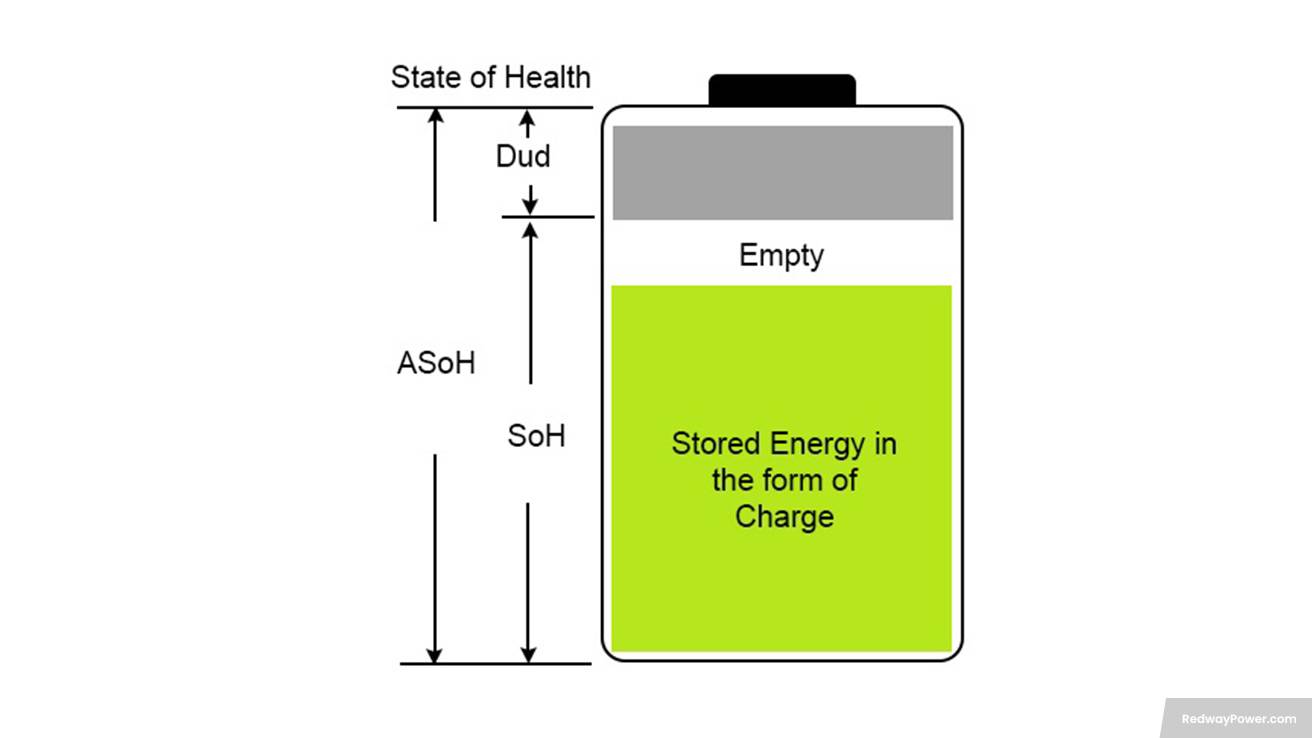
State of Charge (SOC) refers to the current charge level of a battery relative to its maximum capacity, expressed as a percentage. For example, a SOC of 100% means the battery is fully charged, while 0% indicates it is completely discharged.State of Health (SOH), on the other hand, provides an assessment of a battery’s overall condition and remaining useful life. It reflects factors such as capacity fade, internal resistance, and the ability to deliver power. Like SOC, SOH is also expressed as a percentage, with 100% representing a new battery.
| Metric | Definition | Measurement Scale |
|---|---|---|
| State of Charge | Current charge level relative to maximum capacity | 0% to 100% |
| State of Health | Overall condition and remaining useful life | 0% to 100% |
How is the State of Charge (SOC) measured?
Measuring SOC can be accomplished through several methods:
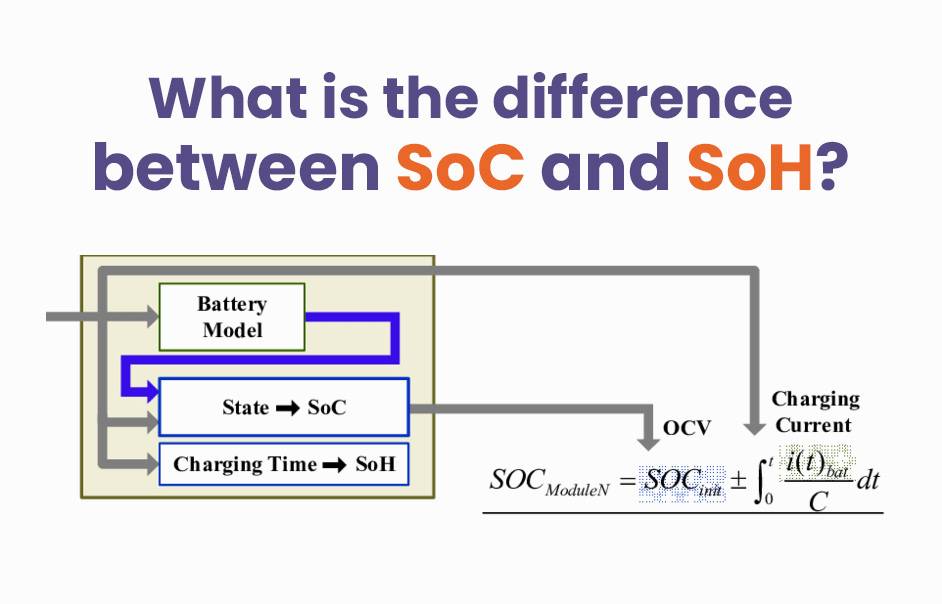
- Open Circuit Voltage (OCV): This method measures the voltage when the battery is at rest. The voltage correlates with the SOC based on predefined characteristics.
- Coulomb Counting: This technique integrates current over time during charging and discharging to estimate SOC.
- Kalman Filtering: An advanced method that combines multiple data sources to provide an accurate estimate of SOC.
| SOC Measurement Method | Description |
|---|---|
| Open Circuit Voltage | Measures voltage at rest |
| Coulomb Counting | Integrates current over time |
| Kalman Filtering | Combines data sources for accuracy |
What methods are used to estimate the State of Health (SOH)?
Estimating SOH involves assessing various parameters:
- Internal Resistance Measurement: This method evaluates how much resistance the battery presents to current flow, which increases as batteries age.
- Capacity Testing: Comparing the current capacity with the original rated capacity helps determine health.
- Cycle Counting: Monitoring charge/discharge cycles gives insights into wear over time.
| SOH Estimation Method | Description |
|---|---|
| Internal Resistance | Measures resistance to assess health |
| Capacity Testing | Compares current capacity with rated capacity |
| Cycle Counting | Tracks usage cycles for wear assessment |
Why are SOC and SOH important for battery performance?
Understanding SOC and SOH is vital for several reasons:
- Safety: Monitoring these metrics helps prevent overcharging or deep discharging, which can lead to safety hazards.
- Performance Optimization: Knowing SOC allows users to manage energy usage effectively, maximizing device performance.
- Predictive Maintenance: Regularly assessing SOH enables proactive maintenance, reducing downtime and extending battery life.
How do SOC and SOH impact battery lifespan?
Both SOC and SOH significantly influence a battery’s lifespan:
- Maintaining an optimal SOC helps avoid stress on the battery that can lead to premature aging.
- Regularly monitoring SOH allows users to adjust usage patterns or replace batteries before they fail completely.
What are the challenges in measuring SOC and SOH accurately?
Accurate measurement of SOC and SOH can be challenging due to:
- Temperature Variations: Temperature affects both measurements; thus, compensation methods must be employed.
- Battery Chemistry Differences: Different chemistries may require unique approaches for accurate assessment.
- Aging Effects: As batteries age, their characteristics change, complicating accurate measurement.
Replacement Choices
For those seeking alternatives or replacements for standard lithium-ion solutions, Redway Power provides excellent options tailored for various applications. Their products ensure compatibility while providing enhanced performance.
Tips for Battery Wholesale Buyers
When considering bulk purchases or OEM orders, it’s crucial to select reliable manufacturers like Redway Power, known for their high-quality lithium-ion solutions with over 13 years of experience. The process involves:
- Identifying your specific needs regarding capacity and application.
- Requesting quotes from manufacturers while ensuring compliance with industry standards.
- Evaluating the manufacturer’s ability to meet your production timelines and quality requirements.
Redway Power Expert Views
“Understanding SOC and SOH is essential for effective battery management,” states an expert from Redway Power. “These metrics enable users to optimize performance, ensure safety, and prolong battery life through informed decisions.”
FAQ Section
- What does SOC stand for in battery management systems?
SOC stands for State of Charge, indicating how much charge remains in a battery relative to its maximum capacity. - What does SOH represent?
SOH stands for State of Health, reflecting the overall condition and remaining useful life of a battery. - Why are SOC and SOH important?
They are crucial for ensuring safety, optimizing performance, and enabling predictive maintenance in battery systems.