Blog
Why Aren’t We Using Sodium-Ion Batteries Widely?

Sodium-ion batteries offer several advantages, such as abundant raw materials and lower costs compared to lithium-ion batteries. However, they face significant challenges, including lower energy density and a less developed supply chain. Understanding these factors helps explain why sodium-ion technology has not yet gained widespread adoption in various applications.
What are the advantages of sodium-ion batteries?
Sodium-ion batteries come with several notable advantages:
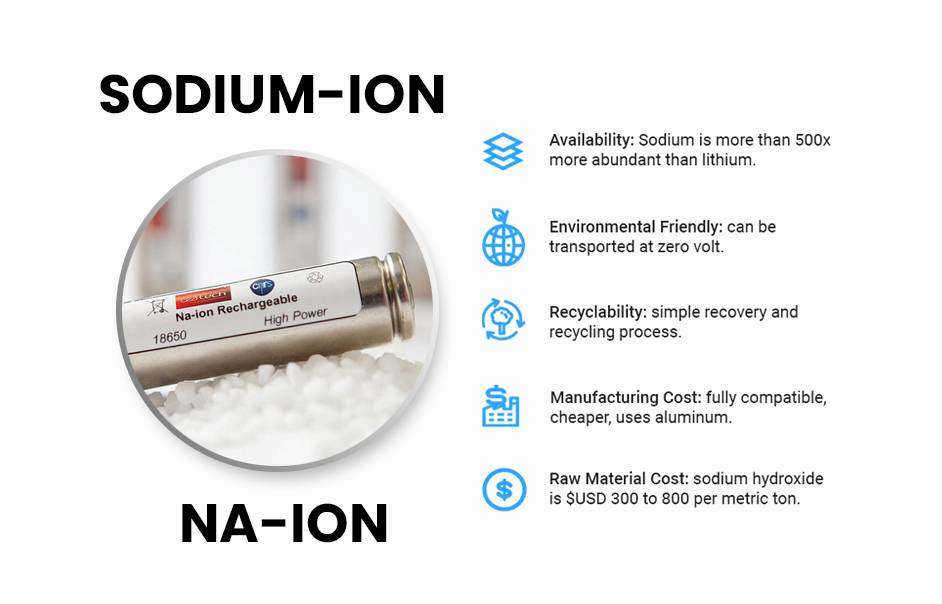
- Abundant Resources: Sodium is widely available and inexpensive compared to lithium, making it an attractive alternative for large-scale battery production.
- Lower Cost: The use of inexpensive materials can lead to reduced overall production costs, potentially making sodium-ion batteries more economically viable for certain applications.
- Environmental Impact: Sodium extraction has a lower environmental impact than lithium mining, which often involves harmful practices.
| Advantage | Description |
|---|---|
| Abundant Resources | Sodium is readily available |
| Lower Cost | Reduced production costs due to inexpensive materials |
| Environmental Impact | Lesser environmental harm compared to lithium mining |
What challenges do sodium-ion batteries face?
Despite their advantages, sodium-ion batteries encounter several challenges:
- Lower Energy Density: Sodium-ion batteries typically have an energy density ranging from 90 to 160 Wh/kg, which is lower than that of lithium-ion batteries (180 to 250 Wh/kg). This makes them bulkier and heavier for the same energy capacity.
- Shorter Cycle Life: Current sodium-ion technologies may have shorter cycle lives compared to established lithium technologies, limiting their effectiveness in long-term applications.
- Limited Applications: While they may be suitable for large-scale storage solutions, their performance limitations make them less ideal for high-demand applications like electric vehicles.
| Challenge | Description |
|---|---|
| Lower Energy Density | Less energy stored per unit weight |
| Shorter Cycle Life | May not last as long as lithium counterparts |
| Limited Applications | Less suitable for high-performance uses |
In which applications are sodium-ion batteries suitable?
Sodium-ion batteries are particularly well-suited for specific applications:
- Grid Energy Storage: Their cost-effectiveness and safety features make them ideal for stationary energy storage systems that support renewable energy sources like solar and wind.
- Low-Power Devices: They can be used in devices that do not require high energy density, such as certain consumer electronics or backup power systems.
- Electric Bicycles and Low-Speed Vehicles: Their performance characteristics make them a good fit for applications where weight is less critical.
| Application | Suitability |
|---|---|
| Grid Energy Storage | Cost-effective for renewable integration |
| Low-Power Devices | Adequate performance without high energy demands |
| Electric Bicycles | Good fit for low-speed transportation |
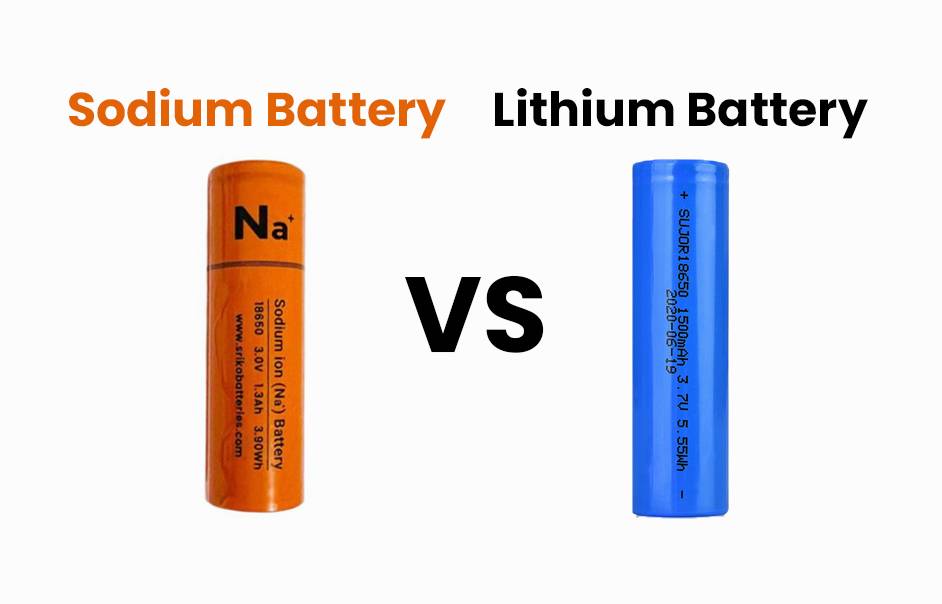
What are the key differences between sodium-ion and lithium-ion batteries?
The primary differences between these two types of batteries include:
- Energy Density: Lithium-ion batteries generally offer higher energy densities, making them more suitable for applications requiring lightweight solutions.
- Voltage Levels: Lithium cells typically operate at higher voltages (3.6–3.7V) compared to sodium cells (2.3–2.5V), affecting their efficiency in power delivery.
- Raw Material Availability: Sodium is more abundant than lithium, which can lead to more sustainable production practices.
| Difference | Sodium-Ion Batteries | Lithium-Ion Batteries |
|---|---|---|
| Energy Density | Lower (90–160 Wh/kg) | Higher (180–250 Wh/kg) |
| Voltage Levels | Lower (2.3–2.5V) | Higher (3.6–3.7V) |
| Raw Material Availability | More abundant | Less abundant |
Why is the supply chain for sodium-ion batteries still developing?
The supply chain for sodium-ion batteries is still in its infancy due to several reasons:
- Limited Production Facilities: Unlike lithium, which has established mining and processing industries, sodium-based battery production facilities are not yet widespread.
- Research and Development Needs: Ongoing research is required to optimize materials and manufacturing processes specific to sodium technology.
- Market Demand: Current demand for lithium-based solutions remains high, slowing investment in alternative technologies like sodium.
| Supply Chain Factor | Description |
|---|---|
| Limited Production | Few facilities dedicated to sodium battery production |
| R&D Needs | Continued optimization required |
| Market Demand | High demand for lithium slows alternative investments |
What are the limitations of sodium-ion battery technology?
Sodium-ion battery technology faces several limitations:
- Energy Density Constraints: The lower energy density limits their application in high-performance areas like electric vehicles.
- Cycle Life Issues: Current models may only achieve around 2000 cycles compared to 6000+ cycles for advanced lithium technologies.
- Self-Discharge Rates: Sodium-ion batteries tend to self-discharge more quickly than other chemistries, affecting their readiness when needed.
| Limitation | Description |
|---|---|
| Energy Density | Less energy stored per unit weight |
| Cycle Life | Shorter lifespan compared to lithium alternatives |
| Self-Discharge Rates | Higher self-discharge affects usability |
How does energy density affect the use of sodium-ion batteries?
Energy density significantly impacts how and where sodium-ion batteries can be used:
- Weight Considerations: Lower energy density means that larger or heavier battery packs are needed to achieve similar performance levels compared to lithium-based systems.
- Application Suitability: Applications requiring lightweight solutions (like electric vehicles) may find sodium technology less appealing due to its bulkier design.
- Cost Efficiency vs Performance Trade-Offs: While cheaper and more sustainable, the trade-off in performance may limit market acceptance until further advancements improve energy density.
Tips for Battery Wholesale Buyers
For those looking to purchase batteries in bulk or OEM orders, consider these key points:
- Choose Reliable Manufacturers: Partnering with established companies like Redway Power, which has over 13 years of experience in lithium battery technology, ensures quality products.
- Understand Your Needs: Clearly define specifications based on application requirements.
- Request Samples: Before placing large orders, testing samples helps ensure product satisfaction.
By opting for advanced battery technologies over traditional options, buyers benefit from improved efficiency and reduced environmental impact.
Redway Power Expert Views
“Sodium-ion technology holds promise as a cost-effective alternative to lithium,” states an expert from Redway Power. “However, overcoming current limitations will be key to its broader adoption in various industries.”
FAQ Section
- Why aren’t we using sodium-ion batteries widely?
Sodium-ion technology faces challenges such as lower energy density and a developing supply chain compared to established lithium technologies. - What are the main advantages of sodium-ion batteries?
They offer abundant raw materials, lower costs, and a reduced environmental impact compared to lithium-based alternatives. - How do sodium and lithium ion compare in terms of performance?
Lithium ion generally provides higher energy densities and longer cycle lives than current sodium ion technologies. - What industries could benefit from sodium-ion technology?
Sodium ion could be suitable for grid storage solutions and low-power devices where weight isn’t critical. - Are there safety concerns with sodium-ion batteries?
Sodium ions present fewer risks than some other chemistries; however, ongoing research is essential to ensure safety standards.