Blog
What Is the Best Battery for a Robot Car?

Selecting the best battery for a robot car is crucial for ensuring optimal performance and reliability. Lithium-ion batteries, particularly Lithium Iron Phosphate (LiFePO4) variants, are often favored due to their high energy density, safety, and long cycle life. Understanding various battery types and their characteristics can help you make an informed decision.
What types of batteries are suitable for robot cars?
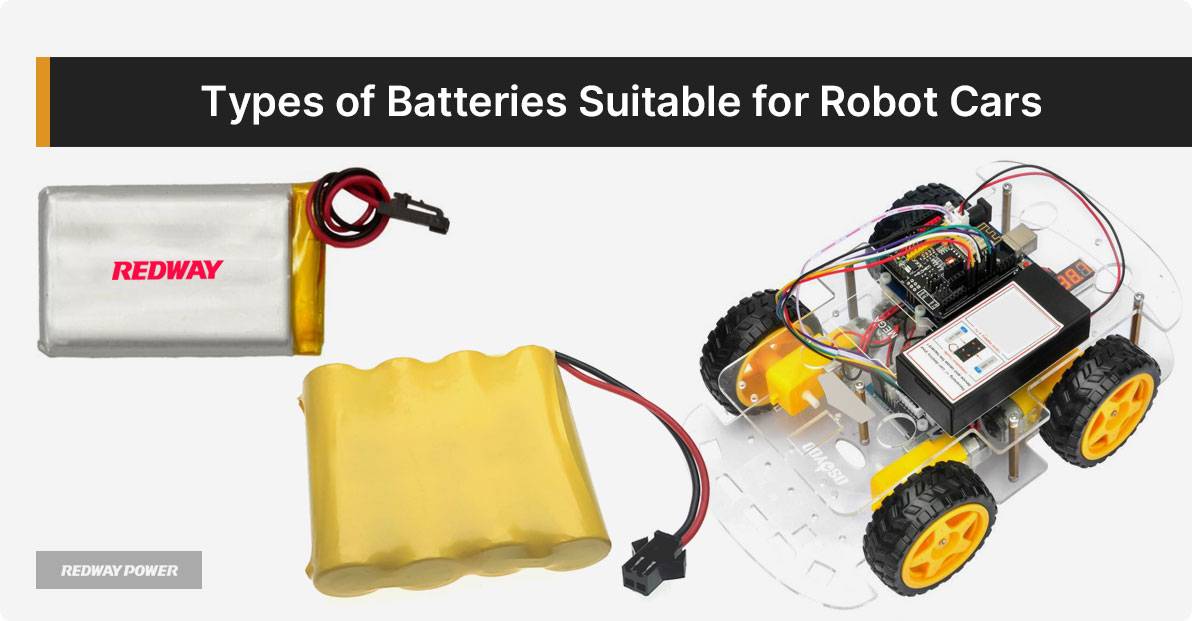
Several types of batteries can be used in robot cars, each with its own advantages and disadvantages:
- Lithium-Ion Batteries: Known for their high energy density and lightweight nature, making them ideal for mobile applications.
- Lithium Iron Phosphate (LiFePO4): A subtype of lithium-ion that offers enhanced safety and thermal stability.
- Nickel-Metal Hydride (NiMH): Provides good energy density and is more environmentally friendly than some alternatives.
- Lead-Acid Batteries: While heavier and less efficient, they are cost-effective and reliable for stationary applications.
Chart: Types of Batteries for Robot Cars
| Battery Type | Advantages | Disadvantages |
|---|---|---|
| Lithium-Ion | High energy density, lightweight | More expensive |
| LiFePO4 | Safe, long cycle life | Lower energy density than other lithium types |
| NiMH | Good energy density, eco-friendly | Heavier than lithium options |
| Lead-Acid | Cost-effective, reliable | Heavy, lower energy density |
How do lithium-ion batteries compare to other types?
Lithium-ion batteries stand out due to their superior energy density compared to lead-acid and NiMH batteries. They provide more power in a smaller size and weight, which is critical for mobile robots that require agility and speed. Additionally, lithium-ion batteries have a longer lifespan and can handle more charge cycles before degrading.Chart: Comparison of Battery Types
| Battery Type | Energy Density (Wh/kg) | Cycle Life (Cycles) | Weight (kg) per 100Ah |
|---|---|---|---|
| Lithium-Ion | 150 – 250 | 500 – 2000 | 12 – 15 |
| LiFePO4 | 90 – 160 | 2000 – 4000 | 13 – 17 |
| NiMH | 60 – 120 | 300 – 500 | 20 – 25 |
| Lead-Acid | 30 – 50 | 200 – 300 | 30 – 40 |
What factors should be considered when choosing a battery?
When selecting a battery for your robot car, consider the following factors:
- Energy Requirements: Assess how much power your robot needs to operate effectively.
- Weight Constraints: Ensure the battery’s weight does not hinder the robot’s mobility.
- Size Limitations: The physical dimensions of the battery must fit within the design of your robot.
- Charging Time: Consider how quickly you need to recharge the battery between uses.
- Cost: Balance your budget with the desired performance characteristics.
Chart: Factors to Consider When Choosing a Battery
| Factor | Description |
|---|---|
| Energy Requirements | Power needed for operation |
| Weight Constraints | Impact on mobility |
| Size Limitations | Fit within robot design |
| Charging Time | Speed of recharging |
| Cost | Budget considerations |
What are the advantages of using LiFePO4 batteries?
LiFePO4 batteries offer several significant advantages:
- Safety: They have a lower risk of thermal runaway compared to other lithium-ion chemistries.
- Long Cycle Life: These batteries can endure more charge cycles without significant degradation.
- Stable Performance: They maintain consistent voltage output throughout their discharge cycle.
- Environmental Stability: LiFePO4 is less toxic than other lithium compounds, making it more environmentally friendly.
Chart: Advantages of LiFePO4 Batteries
| Advantage | Description |
|---|---|
| Safety | Lower risk of overheating |
| Long Cycle Life | More charge cycles before degradation |
| Stable Performance | Consistent voltage during use |
| Environmental Stability | Less toxic materials |
How can battery capacity impact a robot’s operational efficiency?
Battery capacity directly affects how long a robot can operate before needing recharging. A higher capacity means longer run times but also typically results in increased weight and size. It’s essential to balance capacity with weight constraints to ensure that the robot remains agile while meeting its power needs.For example:
- A 100Ah LiFePO4 battery may provide sufficient power for extended operations but could add significant weight if not managed properly.
- Conversely, a smaller capacity may lead to frequent recharges, interrupting operations.
Chart: Impact of Capacity on Operational Efficiency
| Capacity (Ah) | Estimated Run Time (Hours) | Weight Impact |
|---|---|---|
| 50 | ~5 hours | Lighter |
| 100 | ~10 hours | Moderate |
| 200 | ~20 hours | Heavier |
Redway Power Insights
“When selecting a battery for your robot car, consider not only the technical specifications but also how those specifications align with your specific application needs. Balancing weight, capacity, and safety will lead to optimal performance.”
Industrial News
The robotics industry is experiencing rapid advancements in battery technology as manufacturers seek lighter, more efficient solutions. Recent developments include improved lithium-ion chemistries that enhance energy density while maintaining safety standards. As demand grows for autonomous vehicles and robotic applications, understanding battery options becomes increasingly vital for developers and engineers.
FAQ Section
Q: What type of battery is best for a robot car?
A: Lithium-ion or Lithium Iron Phosphate (LiFePO4) batteries are typically preferred due to their high energy density and safety features.Q: How does battery capacity affect my robot’s performance?
A: Higher capacity allows longer operation times but may increase weight; it’s essential to balance these factors.Q: Are there any environmental concerns with using certain batteries?
A: Yes, some lithium-based batteries contain toxic materials; however, LiFePO4 is generally considered more environmentally friendly.Q: Can I use lead-acid batteries in my robot car?
A: While possible, lead-acid batteries are heavier and less efficient compared to modern lithium options.