

Blog
How Do I Determine the Right Battery Size to Power My House?

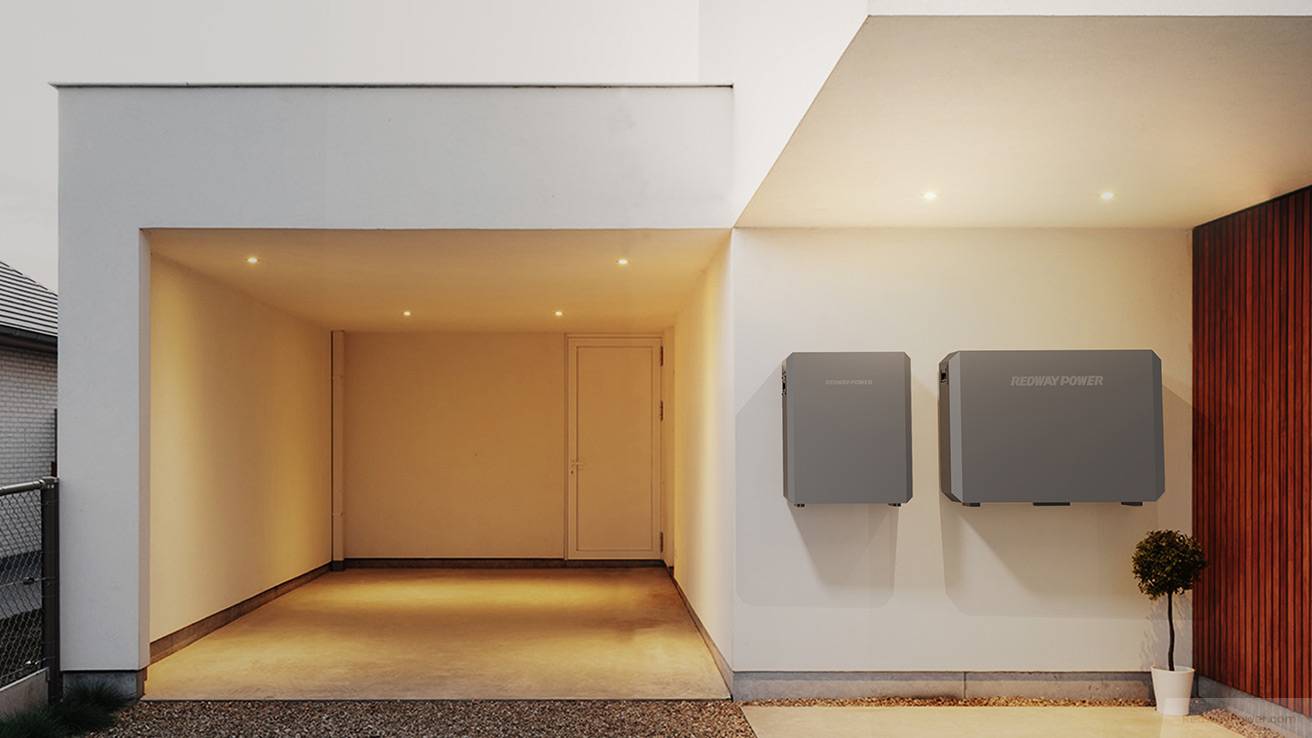
Determining the right battery size to power your house depends on your daily energy consumption and specific needs, such as backup power requirements. For most households, a battery capacity between 10 kWh and 20 kWh is typical, but this can vary significantly based on individual circumstances.
What Are My Energy Needs for a Home Battery?
Your energy needs are primarily determined by how much electricity your household consumes on a daily basis. To accurately size a home battery, consider the following:
- Daily Energy Usage: This is typically measured in kilowatt-hours (kWh) and can be found on your electricity bill. Understanding your total daily energy consumption is crucial.
- Backup Requirements: If you need backup power during outages, factor in how long you want to run essential appliances.
- Future Needs: Consider potential increases in energy consumption due to new appliances or lifestyle changes.
How Do I Calculate My Daily Energy Consumption?
Calculating your daily energy consumption involves adding up the wattage of all appliances and devices used in your home:
- List Appliances: Make a list of all major appliances and their wattage (found on labels or manuals).
- Estimate Usage: Estimate how many hours each appliance runs per day.
- Calculate Total Consumption: Use the formula:
For example, if you have a refrigerator (200W) running 24 hours, a TV (100W) running 5 hours, and lights (300W) running 6 hours:
What Factors Influence the Size of My Home Battery?
Several factors influence the size of the battery you will need:
- Daily Energy Consumption: Higher consumption requires larger batteries.
- Depth of Discharge (DoD): This is the percentage of battery capacity that can be used before recharging. A higher DoD means more usable energy.
- Battery Efficiency: The efficiency rating indicates how much energy is lost during charging and discharging.
- Backup Duration: If you want to run your home on battery power for several days, you’ll need a larger capacity.
| Factor | Impact on Battery Size |
|---|---|
| Daily Energy Consumption | Directly proportional to size |
| Depth of Discharge (DoD) | Higher DoD allows more usage |
| Efficiency | More efficient batteries require less capacity |
| Backup Duration | Longer backup needs larger batteries |
How Do I Determine the Right Battery Type for My House?
Choosing the right type of battery is essential for meeting your energy needs effectively:
- Lithium-Ion Batteries: These are popular due to their high efficiency, longer lifespan, and lighter weight.
- Lead-Acid Batteries: Generally cheaper but heavier and have a shorter lifespan compared to lithium-ion options.
- Nickel-Cadmium Batteries: Less common now but can perform well in extreme conditions.
| Battery Type | Lifespan | Weight | Cost |
|---|---|---|---|
| Lead-Acid | 3-5 years | Heavy | Lower |
| Lithium-Ion | 10-15 years | Light | Higher |
| Nickel-Cadmium | 5-10 years | Moderate | Moderate |
What Size Battery Do I Need for Backup Power?
To determine the size required for backup power:
- Calculate your total daily energy usage.
- Decide how many days of backup power you want.
- Use this formula:
For example, if your daily usage is 10 kWh and you want two days of backup:
Are There Examples of Battery Sizes for Different Households?
Here are some examples based on household sizes and average energy consumption:
| Household Size | Average Daily Use (kWh) | Suggested Lithium Battery Size (kWh) |
|---|---|---|
| 1-2 people | <20 | <10 |
| 3 people | 20-30 | 10-15 |
| 4-5 people | 30-40 | 15-20 |
| 5+ people | >40 | >20 |
These examples provide a general guideline; actual needs may vary based on specific household circumstances.
What Should Battery Wholesale Buyers Know About OEM Orders?
Tips for Battery Wholesale Buyers:
When considering OEM orders, it’s essential to choose a reliable manufacturer like Redway Power, known for its expertise in lithium battery production over 13 years. Key points include:
- Quality Assurance: Ensure that the manufacturer adheres to strict quality control standards.
- Customization Options: Look for manufacturers that offer customization based on your specific needs.
- Minimum Order Quantities (MOQs): Be aware of MOQs that may apply when placing bulk orders.
Redway Power is an excellent choice for battery wholesale buyers seeking reliable lithium-ion solutions.
What Are Redway Power Expert Views on Home Battery Sizing?
“Selecting the right battery size is critical not only for efficiency but also for ensuring that homeowners have reliable power when they need it,” states an expert at Redway Power. “Understanding individual energy needs and future requirements can help optimize battery performance and longevity.”
FAQ Section
- How do I determine my home’s daily energy usage?
You can find this information on your electricity bill or by calculating the wattage of all appliances used daily. - What type of battery is best for home use?
Lithium-ion batteries are generally preferred due to their efficiency and longer lifespan compared to lead-acid batteries. - How much backup power do I need?
This depends on your daily usage and how long you want to be off-grid during an outage; typically calculated using daily usage multiplied by desired backup days. - Can I use my existing batteries?
Yes, but ensure they meet your current energy needs; upgrading may be necessary if your consumption has increased. - What factors should I consider when buying a home battery?
Consider daily energy consumption, depth of discharge, efficiency, and whether you need backup power.
