

Blog
Power Wheels Battery, All You Need to Know

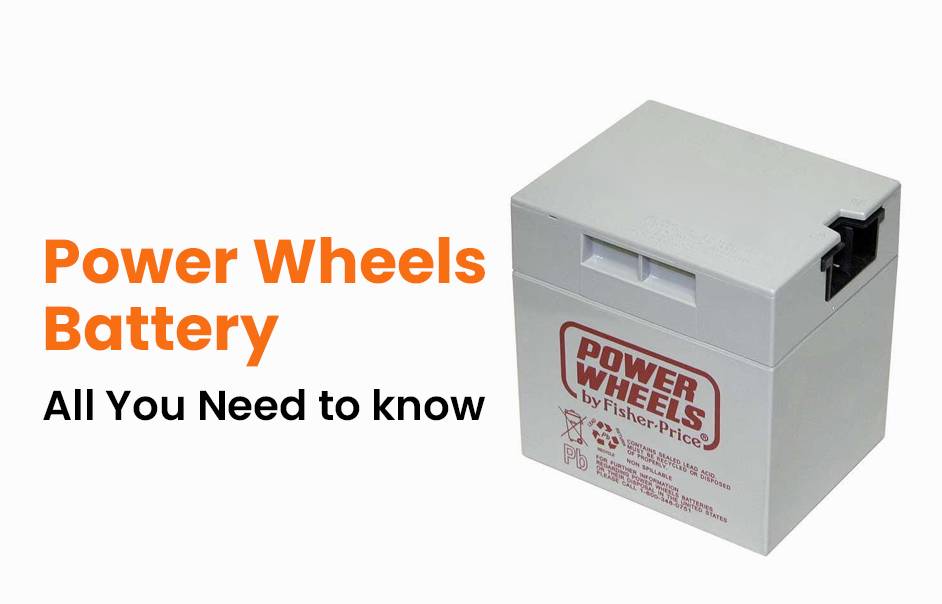
Power Wheels batteries power electric ride-on toys, providing the necessary energy for motors, lights, and functions. Available mainly as 6V, 12V, 24V sealed lead-acid or modern lithium-ion types, lithium-ion batteries offer longer life, faster charging, and lighter weight. Selecting the right battery depends on the child’s age, toy model, and usage, with proper maintenance key to lasting performance.
How Are Power Wheels Batteries Used in Ride-On Toys?
Power Wheels batteries supply rechargeable energy to ride-on toys, enabling movement and additional features like lights and sounds. These batteries must deliver consistent voltage and current to ensure smooth operation and safety, with typical options including 6V, 12V, and 24V lead-acid models, as well as lithium-ion variants that enhance performance and reduce weight.
What Types of Batteries Are Used in Power Wheels Vehicles?
Power Wheels commonly use sealed lead-acid batteries in 6V, 12V, and 24V forms for affordability and reliability. Recently, lithium-ion batteries like LiFePO4 and NMC types have entered the market, offering longer lifespans, faster charge times, lighter weight, and stable power output, making them excellent upgrades for many models.
Which Advantages Do Lithium-Ion Batteries Offer Power Wheels Toys?
Lithium-ion batteries excel by being lighter, boosting speed and handling, lasting up to five years versus 1-3 years for lead-acid, charging in about four hours instead of 12-18, and requiring minimal maintenance. They deliver stable power, improving ride quality, and reduce environmental impact by lasting longer and avoiding toxic materials commonly found in older lead-acid batteries.
How Should You Select the Right Battery for Your Child’s Power Wheels Toy?
Choosing the correct battery hinges on the child’s age, vehicle compatibility, and expected usage frequency. For toddlers, 6V batteries provide safe speeds; older kids benefit from 12V or 24V batteries for enhanced power. Frequent users should consider lithium-ion batteries for longer playtime. Always confirm compatibility to ensure battery fits physical and electrical specifications.
What Are the Best Practices for Maintaining Power Wheels Batteries?
To maintain batteries, fully charge after each use but prevent overcharging with smart chargers or timers. Store batteries in cool, dry environments away from extreme temperatures. Regularly clean terminals and inspect wiring for corrosion or damage. These habits maximize performance, extend battery life, and avoid premature failure or safety hazards.
How Can You Troubleshoot Common Power Wheels Battery Problems?
If charging fails, inspect charger cables and connections for faults. Short run times often indicate battery aging requiring capacity testing or replacement. If the vehicle lacks movement despite charge, check wiring and battery terminals for corrosion or loose connections. Timely troubleshooting keeps ride-on toys functioning safely and reliably.
When Should You Replace Your Power Wheels Battery?
Replace batteries showing significantly decreased run time, inability to hold charge, physical damage like swelling or leakage, or terminal corrosion. Using damaged batteries can cause safety issues such as fire or electrical faults. Regularly monitor health to plan replacements before failures affect playtime.
What Factors Affect the Lifespan of Power Wheels Batteries and How Can You Extend It?
Lifespan depends on charging habits, usage frequency, load weight, and environmental conditions. Extend life by avoiding overloading the toy, charging properly without overcharging, storing batteries correctly during idle times, and performing routine checks. These efforts help maximize usable battery life and reliability.
How Are Power Wheels Batteries Safely Charged and Stored?
Charge batteries using manufacturer-recommended chargers in dry, well-ventilated areas away from flammable materials. Lead-acid batteries typically require 12-18 hours to charge fully, lithium-ion batteries about 4 hours. Store batteries in cool, dry places, disconnected when not in use, to prevent degradation and prolong lifespan.
How Can You Upgrade Your Power Wheels Battery for Better Performance?
Upgrading to higher voltage or lithium-ion batteries enhances speed, run time, and vehicle performance. Ensure motor and electronics compatibility to avoid overheating or damage. DIY upgrades must incorporate safety components like inline fuses. Prioritize manufacturer guidelines and warranty coverage when upgrading to maintain safety.
What Are the Signs a Power Wheels Battery Is Damaged or Unsafe?
Warning signs include swelling, leaking, excessive heat during charging or use, corroded terminals, and inconsistent power delivery. Such batteries pose fire or explosion risks and must be replaced immediately and disposed of at authorized recycling centers. Monitoring battery condition protects safety and performance.
[Chart Title: Comparison of Power Wheels Battery Types by Key Features]
| Feature | Lead-Acid Battery (6V, 12V, 24V) | Lithium-Ion Battery (LiFePO4, NMC) |
|---|---|---|
| Weight | Heavier | Lighter |
| Lifespan | 1 to 3 years | Up to 5 years |
| Charging Time | 12-18 hours | Around 4 hours |
| Energy Density | Lower | Higher |
| Maintenance | Requires monitoring & water refill | Minimal Maintenance |
| Power Consistency | Decreases with use | Stable |
[Chart Title: Estimated Power Wheels Battery Runtime by Voltage and Usage]
| Battery Voltage | Typical Run Time | Suitable Age Range |
|---|---|---|
| 6V | ~1 hour | 2-5 years |
| 12V | ~2 hours | 5+ years |
| 24V | ~3 hours | 8+ years |
| Lithium-Ion | Longer than lead-acid (varies) | Varies by model |
Redway Power Expert Views
“Power Wheels batteries determine the quality and longevity of children’s play experiences. At Redway Power, with our 13 years of lithium battery OEM expertise, we provide safe, efficient, and durable battery solutions. Lithium-ion technology represents a leap forward—offering parents reliability and children extended joy. We always emphasize compatibility and safety in upgrades and maintenance to ensure uninterrupted fun with peace of mind.” — Redway Power Expert
Conclusion
Understanding the types, selection criteria, maintenance, troubleshooting, and upgrade paths for Power Wheels batteries empowers parents to maximize their ride-on toys’ safety and performance. Utilizing trusted suppliers like Redway Power enhances reliability and longevity. Following best practices ensures every battery-powered adventure is as thrilling and safe as possible.
Frequently Asked Questions
Q: How long does a Power Wheels battery last?
A: Lead-acid batteries last 1 to 3 years; lithium-ion can last up to 5 years with proper care.
Q: Can I upgrade a Power Wheels battery to lithium-ion?
A: Yes, lithium-ion batteries offer longer runtime and lighter weight, but ensure vehicle compatibility and safe installation.
Q: How often should I charge my Power Wheels battery?
A: Charge after every use but avoid overcharging by using smart chargers or timers.
Q: What should I do if my Power Wheels battery is leaking or swollen?
A: Stop using immediately and safely dispose of the battery at an authorized recycling center.
Q: Are all Power Wheels batteries interchangeable?
A: No, batteries vary by model, voltage, and dimension. Always use compatible batteries recommended by manufacturers like Redway Power.
