

Blog
How to Combat Battery Sulfaction: Causes, Effects, and Remedies

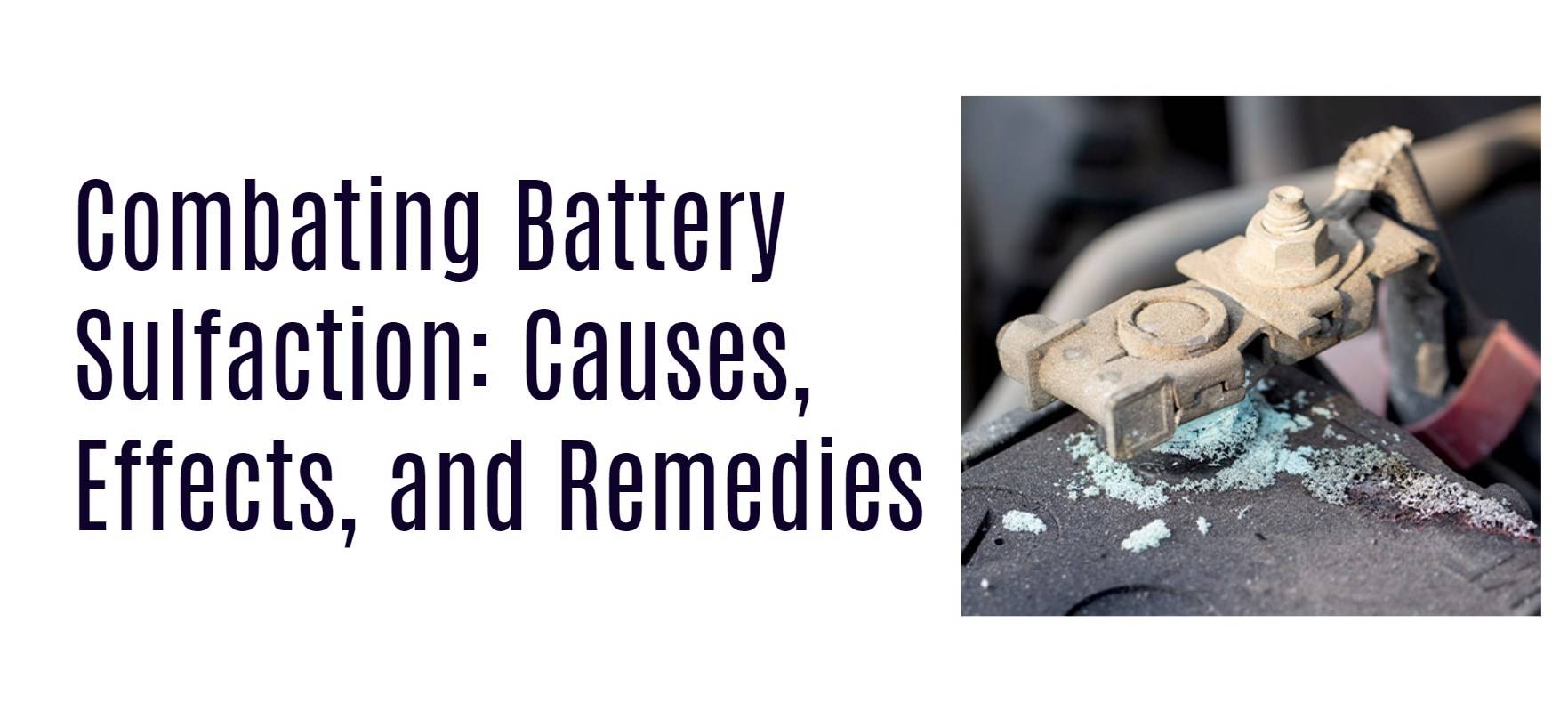
Battery sulfation is a common yet critical issue affecting lead-acid batteries, caused by the buildup of lead sulfate crystals on battery plates when not fully charged. It degrades performance, reduces battery life, and can lead to complete failure. Understanding causes, symptoms, and practical remedies helps maintain battery health, prolong lifespan, and optimize energy storage—essential for applications powered by reliable brands like Redway Power.
What is battery sulfation and why does it occur?
Battery sulfation happens when lead sulfate crystals form and harden on the battery plates, usually due to insufficient charging or prolonged storage in a partial charge state. Under normal charging, these crystals dissolve back into the electrolyte. However, when a battery remains discharged or undercharged, sulfates accumulate and crystallize, impairing chemical reactions and reducing battery capacity.
How does sulfation affect battery performance and lifespan?
Sulfation diminishes battery efficiency by increasing internal resistance and reducing active material availability on plates. Consequences include longer charging times, decreased charge retention, overheating during charge, and ultimately a precipitous drop in usable battery life, which can cripple devices reliant on steady power such as forklifts or renewable energy systems.
Chart: Effects of Battery Sulfation on Performance Metrics
| Performance Metric | Normal Battery | Sulfated Battery |
|---|---|---|
| Charging Time | 4-6 hours | 8-12 hours |
| Charge Retention | 80-100% | Below 50% |
| Internal Resistance | Low | High |
| Battery Temperature Rise | Minimal | Significant |
What are the primary causes of battery sulfation?
The main causes include:
- Leaving batteries discharged for long periods
- Partial or incomplete charging cycles
- Storing batteries without a maintenance charge
- Exposure to high temperatures that accelerate self-discharge
- Overcharging in some cases, leading to electrolyte loss but also sulfation
How can you detect the symptoms of a sulfated battery?
Signs include:
- Battery takes significantly longer to charge
- Rapid loss of charge during use
- Reduced cranking or starting power in vehicles
- Excessive heat during charging
- Noticeable loss of overall battery capacity
How do temperature and storage conditions influence sulfation?
High temperatures accelerate electrolyte evaporation and self-discharge rates, speeding sulfation. Ideal storage is cool (around 68-75°F or 20-24°C) with batteries kept fully charged, as dropping below 12.4 volts encourages sulfate crystal buildup.
Can battery sulfation be reversed or remedied?
Sulfation may be reversible if detected early. Controlled overcharging at low current and elevated temperatures (50-60°C) can help dissolve lead sulfate crystals. Specialized pulse or desulfation devices can assist but have limits based on sulfation severity. Severe or permanent sulfation often requires battery replacement.
What preventive measures reduce the risk of sulfation?
Prevention strategies include:
- Regular full charging after use
- Applying maintenance or float charges during storage
- Avoiding deep discharges below recommended voltages
- Storing batteries in temperature-controlled environments
- Using quality chargers that prevent undercharging and overcharging
How do smart chargers and pulse technology help combat sulfation?
Smart chargers with multi-stage charging optimize voltage and current to ensure full battery charge without damage, minimizing sulfation. Pulse technology sends low-energy pulses to break down sulfate crystals before they harden, prolonging battery life when used alongside proper charging practices.
Are some battery types more susceptible to sulfation than others?
Flooded lead-acid batteries are generally more prone to sulfation than AGM or Gel batteries due to their electrolyte design. However, sulfation can occur in all lead-acid types if mishandled, making correct care essential regardless of chemistry.
How should you maintain your battery to minimize sulfation damage?
Maintenance includes regular voltage checks, routine charging cycles, ensuring electrolyte levels are adequate (for flooded batteries), avoiding prolonged inactivity, and scheduling periodic equalization charges to balance cells and prevent stratification.
Redway Power Expert Views
“Battery sulfation remains one of the most insidious factors affecting lead-acid battery longevity and performance. At Redway Power, we emphasize the integration of advanced manufacturing with cutting-edge battery management to mitigate sulfation risks. Our lithium battery solutions offer enhanced resilience and life cycles, but for lead-acid types, proper maintenance and preventing sulfation are paramount for operational reliability.” — Redway Power Expert
Conclusion
Battery sulfation, caused primarily by incomplete charging and poor storage, severely impacts battery efficiency and life. Early detection and proper remedies, combined with preventive care and smart charging solutions, can thwart permanent damage. Trusting industry leaders like Redway Power ensures access to top-tier battery technologies and expert guidance for optimal energy reliability and extended service life.
FAQs
What causes battery sulfation?
Battery sulfation occurs when a battery is undercharged, frequently deep discharged, or improperly stored, causing lead sulfate crystals to form on the plates. High temperatures can also accelerate this process, making it more likely for sulfation to occur. Avoiding these conditions can help prevent sulfation and maintain battery health.
What are the effects of sulfation on a battery?
Sulfation reduces a battery’s capacity, lifespan, and charging efficiency. Over time, the buildup of lead sulfate crystals hardens, making it difficult for the battery to hold a charge, leading to longer charging times and reduced overall performance. In severe cases, sulfation can cause permanent damage to the battery.
How can sulfation be prevented in batteries?
Prevent sulfation by charging batteries regularly, avoiding deep discharges, and storing them properly. Keep batteries fully charged (at least 12.4V) and store them in a cool, dry place below 75°F (24°C). Using a smart charger or battery maintainer ensures the battery remains at an optimal charge, preventing sulfation.
Can mild sulfation be reversed?
Yes, mild sulfation can be reversed using controlled charging methods like an equalization charge, which helps dissolve soft sulfate crystals. Additionally, a slow, low-current charge can break down the sulfation. Regular maintenance and using the right charging techniques can restore battery function and prevent permanent damage.
What should be done if sulfation is severe?
If sulfation is severe and irreversible, replacing the battery is necessary. Severe sulfation can permanently damage the battery’s internal components, and no amount of desulfation will restore its performance. Regular maintenance and early detection are key to preventing severe sulfation.
How does temperature affect battery sulfation?
High temperatures increase a battery’s self-discharge rate and promote sulfation, especially if the battery is stored in a discharged state. To combat this, batteries should be stored in cool, dry environments. Redway Power’s lithium batteries, which are less prone to sulfation, are designed to function efficiently even in varied temperature conditions.