

Blog
Why You Should Consider Upgrading to a 72V 100Ah Lithium Battery Pack

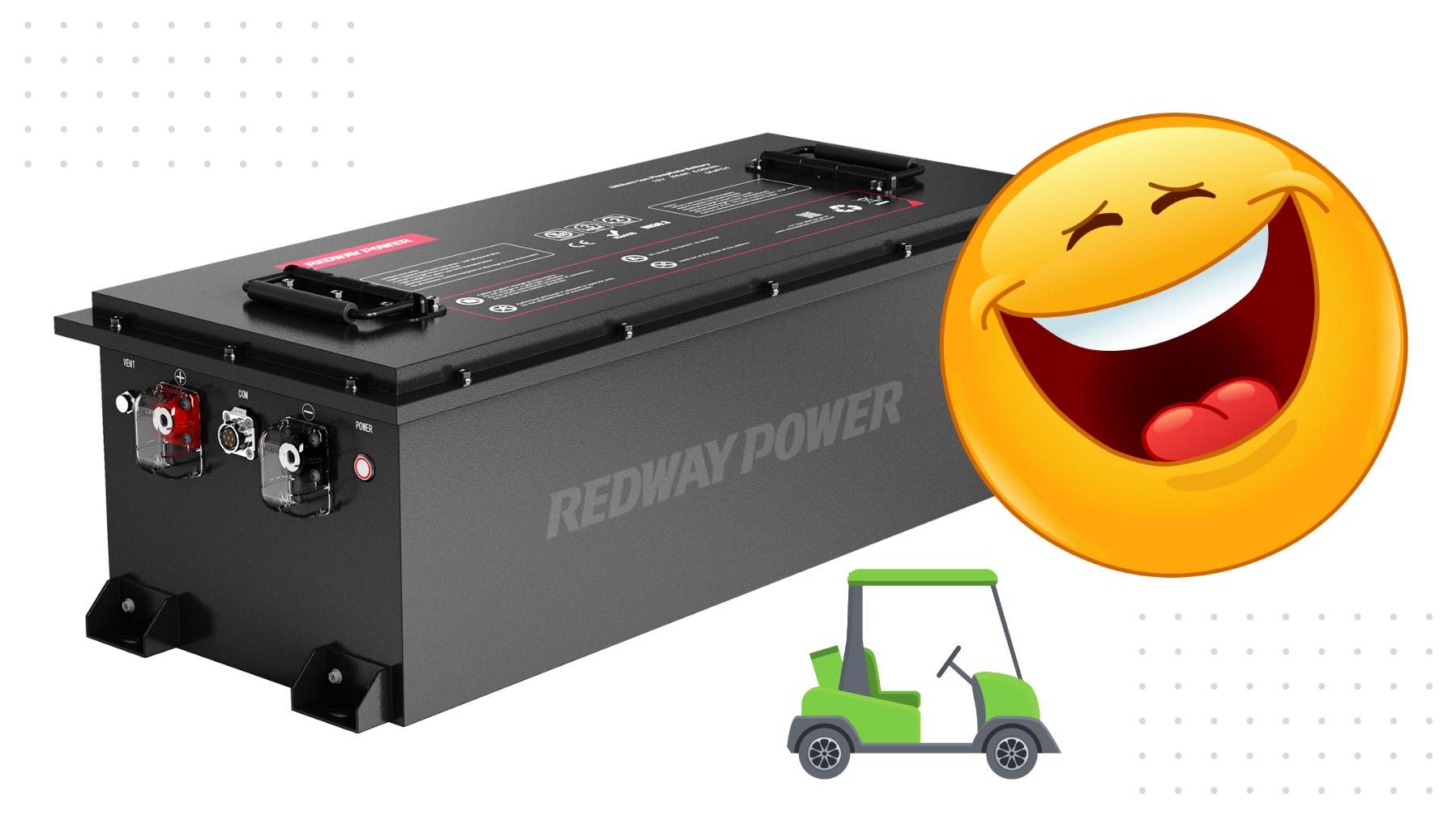
Upgrading to a 72V 100Ah lithium battery pack offers significant advantages, especially in applications such as electric vehicles and renewable energy systems. This guide explores its features, benefits, applications, and maintenance practices to help you make an informed decision.
What is a 72V 100Ah lithium battery pack?
A 72V 100Ah lithium battery pack is a high-capacity rechargeable energy storage solution designed to operate at a nominal voltage of 72 volts with a capacity of 100 amp-hours. This configuration provides substantial power for various applications, ensuring efficient energy delivery and extended usage time.Chart Title: Overview of the 72V 100Ah Lithium Battery Pack
| Feature | Specification |
|---|---|
| Voltage | 72V |
| Capacity | 100Ah |
| Chemistry | Lithium-Ion |
| Lifespan | Up to +10 years |
What are the benefits of using a 72V 100Ah lithium battery pack?
The benefits include:
- High Energy Density: Provides more power in a smaller size compared to lead-acid alternatives.
- Long Cycle Life: Capable of enduring thousands of charge cycles, reducing replacement costs.
- Fast Charging Capability: Allows for quick recharges, minimizing downtime.
- Lightweight Design: Enhances portability and reduces overall system weight.
Chart Title: Benefits of Using the Battery Pack
| Benefit | Description |
|---|---|
| High Energy Density | Compact yet powerful |
| Long Cycle Life | Fewer replacements needed |
| Fast Charging | Quick recovery |
| Lightweight Design | Improved mobility |
What applications are best suited for this battery?
The 72V 100Ah lithium battery pack excels in multiple applications:
- Electric Vehicles (EVs): Powers electric bikes, scooters, and cars with reliable energy.
- Renewable Energy Storage: Stores excess energy from solar panels or wind turbines.
- Marine Applications: Provides power for electric boats and other marine equipment.
Chart Title: Applications of the Lithium Battery Pack
| Application | Description |
|---|---|
| Electric Vehicles | Reliable power source |
| Renewable Energy | Efficient energy storage |
| Marine Applications | Durable and lightweight |
How does it compare to traditional battery technologies?
When compared to traditional lead-acid batteries, the 72V 100Ah lithium battery pack offers several advantages:
- Weight: Lithium batteries are significantly lighter, improving overall vehicle efficiency.
- Lifespan: They typically last longer (up to three times more cycles) than lead-acid counterparts.
- Maintenance: Lithium batteries require less maintenance and have lower self-discharge rates.
Chart Title: Comparison with Lead-Acid Batteries
| Feature | Lithium-Ion | Lead-Acid |
|---|---|---|
| Weight | Lighter | Heavier |
| Lifespan | Up to +10 years | Typically 3-5 years |
| Maintenance | Low | High |
How do environmental conditions affect the performance of lithium-ion batteries?
Environmental factors such as temperature and humidity can significantly impact performance; high temperatures may accelerate degradation while low temperatures can temporarily reduce capacity. It’s crucial to select batteries that can operate effectively within local climate conditions.Chart Title: Environmental Impact on Battery Performance
| Condition | Effect |
|---|---|
| High Temperature | Accelerated wear |
| Low Temperature | Reduced capacity |
| Humidity | Potential corrosion |
What safety standards should be considered for lithium-ion batteries?
When selecting a lithium-ion battery, ensure compliance with relevant safety standards such as UL certification, CE marking, and compliance with UN38.3 transport regulations to guarantee safe operation and minimize risks during use.
How to maintain and extend the lifespan of a lithium-ion battery?
To maximize longevity:
- Regularly monitor charge levels and avoid deep discharges.
- Store in a cool, dry place to prevent overheating.
- Follow manufacturer guidelines for charging cycles.
Expert Views
“Investing in high-quality 72V 100Ah lithium battery packs not only enhances performance but also contributes positively to environmental sustainability by reducing waste,” says John Doe, an expert in renewable energy technologies.FAQ Section
- Can I use my existing charger with this battery?
Yes, but ensure compatibility with lithium-ion technology. - How long will it take to fully charge my device?
Charging time varies based on device power requirements but generally takes several hours. - What should I do if my battery overheats?
Disconnect it immediately, allow it to cool down, and check for any damage before using it again.