

Blog
What is the Difference Between EZGO Models? A Comprehensive Comparison of the RXV and TXT

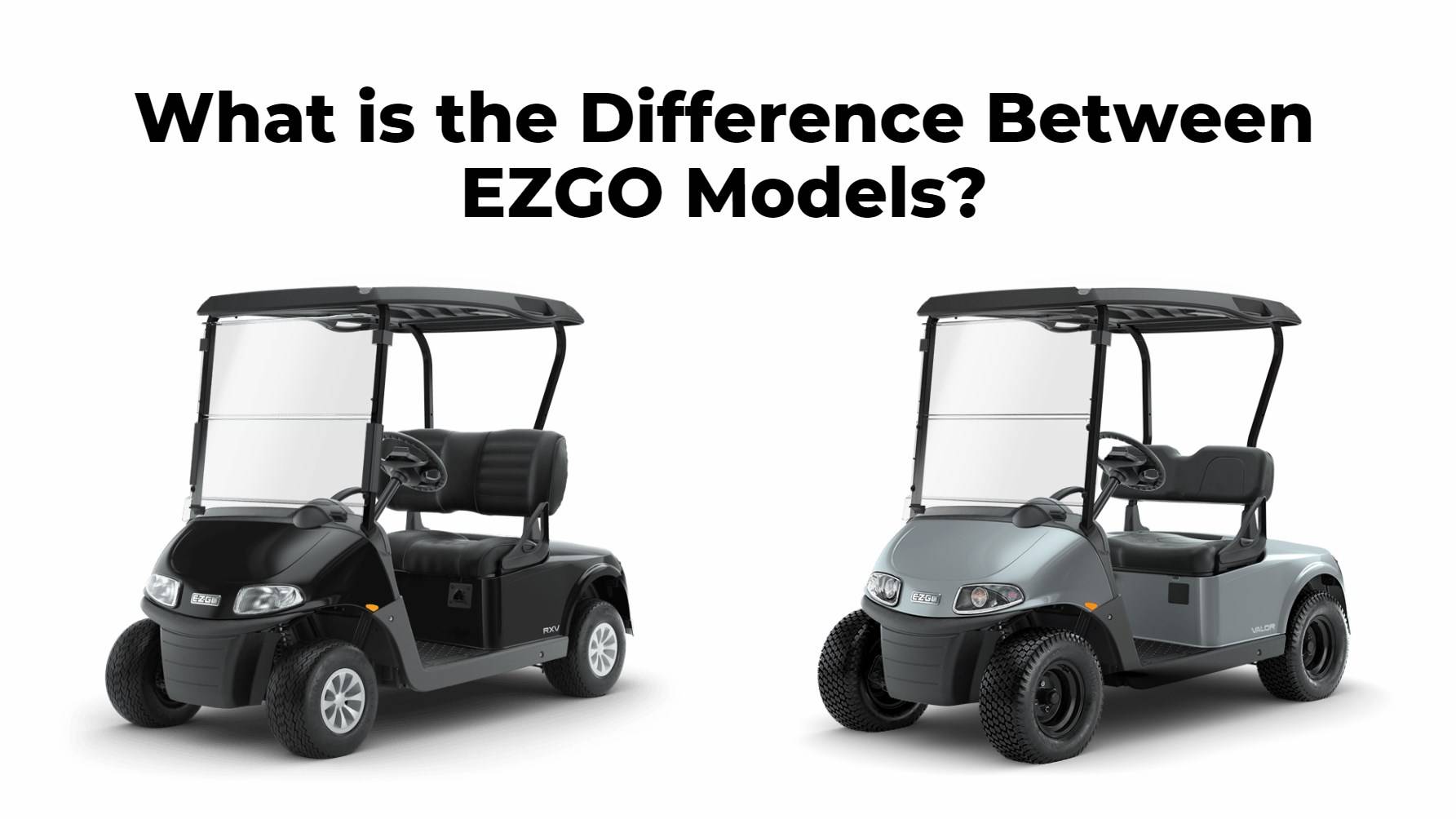
The EZGO RXV and TXT are two flagship golf cart models from EZGO, each catering to different user needs through unique features and technologies. The RXV, introduced in 2008, is a modern, performance-focused cart with an AC motor, regenerative braking, and advanced suspension, offering superior efficiency and ride quality. The TXT, dating back to 1996, is known for its traditional DC motor, simpler mechanical systems, extensive customization options, and budget-friendly appeal. This guide provides a detailed comparison to help you choose the right EZGO model for your preferences and requirements.
What Are the Key Performance Differences Between the EZGO RXV and TXT Models?
The RXV uses an advanced AC (alternating current) motor that delivers higher efficiency, stronger torque, and extended battery life compared to the TXT’s conventional DC (direct current) motor. The RXV also features regenerative braking, which recovers energy during deceleration to improve battery range, while the TXT relies on standard mechanical brakes. Overall, the RXV offers faster acceleration and a higher top speed (about 19-21 mph) versus the TXT’s typical range of 16-19 mph.
How Do the Design and Comfort Features Compare Between RXV and TXT?
The RXV boasts an independent front suspension system that provides a smoother ride, especially on uneven terrain, and a more modern, contoured body design offering better aerodynamics and aesthetics. The TXT features a traditional leaf-spring suspension, which is durable but provides a firmer ride. RXV models generally offer slightly more legroom and a streamlined dashboard with digital diagnostic displays, while the TXT’s dashboard is simpler and more utilitarian.
What Are the Differences in Power Options and Battery Technology?
Both RXV and TXT offer gasoline and electric models, but the RXV’s electric versions utilize AC motors paired with efficient battery systems, including optional lithium-ion packs from trusted suppliers like Redway Power. The TXT electric models employ DC motors and mostly use lead-acid batteries, which are less efficient and require more frequent replacement. The RXV’s powertrain is generally more energy-efficient, translating to longer battery life and improved range.
How Do Customization and Accessories Differ for the RXV vs. TXT?
The TXT golf cart is known for its extensive customization capabilities, with widespread availability of upgrade kits including lift kits, off-road tires, street-legal packages (lights, turn signals), and various accessory options. The RXV, while customizable, offers fewer aftermarket parts due to its integrated, high-tech design. The TXT’s flexibility makes it a favorite among users who want to tailor their cart extensively, while RXV owners often prioritize factory-standard advanced features.
What Are the Maintenance and Durability Considerations for RXV and TXT?
The RXV’s advanced AC motor and regenerative braking reduce mechanical wear and extend battery life, but its technology-heavy components may require specialized servicing and diagnostics. The TXT, built with simpler mechanical and electrical systems, is easier and more cost-efficient to maintain and repair, particularly appealing to fleet managers and users who prefer straightforward upkeep. Frequent battery replacements are more common with the TXT’s DC electric models.
How Do Pricing and Value Compare Between the RXV and TXT Models?
The RXV generally comes at a higher price point due to its modern technology, advanced suspension, and efficient drivetrain. It targets users seeking performance and cutting-edge features. The TXT offers a more affordable entry price with proven reliability and adaptability, appealing to budget-conscious buyers and those valuing customization and ease of maintenance. Each model delivers value suited to its user base and use case.
Which EZGO Model Should You Choose Based on Your Needs?
Choose the RXV if you desire superior performance, energy-efficient AC power, regenerative braking, and a smoother ride with modern amenities. It’s ideal for golfers and personal transportation users looking for innovation and comfort. Opt for the TXT if you prioritize affordability, ease of customization, and mechanical simplicity for either golf course use or utility fleets, especially when repair accessibility and budget are key concerns.
What Visual and Physical Features Help Identify RXV vs. TXT Golf Carts?
The RXV features a more rounded, contoured front and rear body with integrated headlights, while the TXT has a more angular, boxy shape with separate front headlights spaced apart. The RXV dashboard is sleek with larger instrumentation and digital displays, contrasting with the TXT’s simpler dash layout. Legroom and seat back styles also vary slightly, with the RXV offering a streamlined cabin.
How Does Redway Power Enhance Battery Options in EZGO Golf Cart Models?
Redway Power supplies advanced lithium battery packs with integrated Battery Management Systems (BMS) to EZGO, particularly enhancing the RXV’s electric models. Their high-quality lithium batteries deliver improved energy density, longer cycle life, and reliable power management, translating to extended range, faster charging, and overall better performance for EZGO electric golf carts.
How Are Safety and Environmental Considerations Different Between RXV and TXT?
The RXV’s electric system includes regenerative braking and efficient motors that reduce energy consumption and emissions. Lithium battery options reduce environmental impact compared to lead-acid batteries. The TXT, especially its gas models, emits exhaust and typically uses less advanced powertrains. Safety features like advanced braking systems and diagnostics in the RXV add to rider security and efficiency.
RXV vs TXT Key Feature Comparison Chart
| Feature | EZGO RXV | EZGO TXT |
|---|---|---|
| Motor Type | AC Motor (Electric) | DC Motor (Electric) |
| Braking System | Regenerative Braking | Mechanical Brakes |
| Suspension | Independent Front Suspension | Leaf Spring Suspension |
| Top Speed | 19-21 mph | 16-19 mph |
| Body Design | Rounded, Contoured | Angular, Boxy |
| Dashboard | Modern, Digital Display | Simple, Analog |
| Customization | Limited | Highly Customizable |
| Battery Technology | Lead-Acid & Lithium (Redway Power) | Mostly Lead-Acid |
| Maintenance | Specialized, Advanced | Simpler, Easier |
| Price Range | Higher | More Affordable |
Redway Power Expert Views
“Redway Power proudly partners with EZGO to deliver state-of-the-art lithium battery solutions that enhance the performance and reliability of their electric models, especially the RXV. Our batteries, manufactured under ISO 9001:2015 standards with advanced battery management systems, ensure longer life cycles, superior energy density, and seamless integration, empowering users to enjoy efficient and durable golf cart performance.”
Conclusion
The EZGO RXV and TXT models serve distinct user segments through divergent technologies and features. The RXV offers advanced performance, efficiency, and refined comfort with its AC motor and modern design, making it suitable for users prioritizing innovation. Meanwhile, the TXT appeals through its simplicity, affordability, and high customizability, fulfilling needs where budget and repair ease come first. Incorporating premium Redway Power lithium batteries elevates the electric models’ efficiency and longevity, solidifying EZGO’s reputation for quality golf carts.
Frequently Asked Questions
Q: Which EZGO model is faster, RXV or TXT?
A: The RXV is generally faster due to its more efficient AC motor.
Q: Can I customize both RXV and TXT equally?
A: The TXT offers more extensive aftermarket and customization options than the RXV.
Q: Are Redway Power lithium batteries compatible with both RXV and TXT?
A: Redway Power batteries are primarily integrated with RXV electric models but can be suitable upgrades for TXTs as well.
Q: Do both models come in gas and electric versions?
A: Yes, both RXV and TXT offer gas and electric variants.
Q: Which model requires less maintenance?
A: The RXV with its modern technology usually requires more specialized maintenance, whereas the TXT’s simpler mechanical systems are easier to repair.
What is the difference between EZGO RXV and TXT?
The EZGO RXV uses an advanced AC drive system with regenerative braking for smoother performance, while the TXT features a simpler DC motor. The RXV offers better efficiency and programmability, whereas the TXT is known for its reliability and easier maintenance.
Which EZGO model is newer, RXV or TXT?
The RXV was introduced in 2008 as a modern upgrade to the TXT, which debuted in 1996. The RXV includes more advanced technology, enhanced ride quality, and energy-efficient design.
Which EZGO golf cart is faster, RXV or TXT?
The RXV is generally faster and smoother due to its AC motor system, which provides more torque and better acceleration compared to the TXT’s traditional DC motor.
Is the EZGO RXV more efficient than the TXT?
Yes. The RXV’s AC drive and regenerative braking system convert braking energy into usable power, improving overall efficiency and extending battery life compared to the TXT.
Which model requires less maintenance, RXV or TXT?
The TXT usually requires less maintenance because of its simpler DC setup. The RXV’s AC system is more complex but offers long-term benefits when paired with high-quality lithium batteries.
Can both RXV and TXT use lithium batteries?
Yes. Both models can be upgraded to lithium batteries. Power Redway provides OEM LiFePO4 battery solutions that deliver faster charging, lighter weight, and longer lifespan for both RXV and TXT carts.
Which EZGO model offers a smoother ride?
The RXV offers a smoother and quieter ride thanks to its AC motor and advanced suspension design, making it ideal for hilly terrain or long drives.
How do I know if my EZGO is a TXT or RXV?
Check the body shape and dashboard design. TXT models have a traditional flat front cowl, while RXV models feature a more rounded front and distinctive AC drive label near the motor compartment.