

Blog
What Are the Disadvantages of Converting Your Golf Cart to Lithium Batteries?


Converting a golf cart to lithium batteries can involve higher upfront costs compared to lead-acid batteries. Additionally, proper charging systems are necessary to avoid damage. Some users may also face challenges in finding compatible components or understanding battery management systems required for optimal performance.
Converting your golf cart to lithium batteries offers many benefits, but it also comes with disadvantages such as high upfront costs, complex charging requirements, compatibility challenges, and safety concerns like thermal runaway. Additionally, weight distribution issues and limited recycling options are factors to consider before making the switch.
What is the initial cost disadvantage of converting to lithium batteries?
Lithium batteries have a significantly higher upfront cost compared to traditional lead-acid batteries. Although they offer longer lifespan and lower maintenance, the initial investment for lithium battery packs and compatible chargers can be several times greater, which may deter budget-conscious golf cart owners.
How do charging requirements complicate lithium battery conversions?
Lithium batteries require precise and controlled charging profiles distinct from lead-acid batteries. Using a charger designed for lead-acid batteries can cause overvoltage, undercharging, or damage to lithium cells. This necessitates purchasing specialized lithium-compatible chargers and understanding their charging cycles to avoid reducing battery lifespan or causing safety hazards.
What compatibility issues arise when converting to lithium batteries?
Lithium batteries often operate at different nominal voltages than lead-acid systems, leading to voltage compatibility problems. The golf cart’s motor controller, wiring, and battery management system (BMS) may require upgrades or adjustments. Incompatibilities can cause power fluctuations, reduced performance, or even damage to electrical components if not properly addressed.
How does lithium conversion affect motor and controller performance?
Lithium batteries can deliver higher currents than lead-acid batteries, which may cause motor overheating if the motor is not rated for increased power output. Controllers and solenoids may also overheat or fail under the higher current load. Proper assessment and possible upgrades of these components are essential to prevent damage and ensure reliable operation.
What safety risks are associated with lithium battery conversions?
Lithium batteries carry a risk of thermal runaway, a self-sustaining reaction that can lead to fires or explosions if the battery is damaged or improperly charged. Although modern lithium batteries include safety features like BMS, the risk remains higher compared to lead-acid batteries. Proper installation, compatible chargers, and adherence to safety protocols are critical.
How does weight distribution change after converting to lithium batteries?
Lithium batteries are much lighter than lead-acid batteries, which can alter the golf cart’s weight distribution and handling characteristics. If the weight is not properly balanced, it may affect stability, especially on uneven terrain, potentially compromising safety and ride quality.
What maintenance and recycling challenges do lithium batteries present?
While lithium batteries require less maintenance than lead-acid batteries, their recycling infrastructure is limited. Improper disposal can lead to environmental hazards. Additionally, users must be trained to maintain lithium batteries correctly, including using compatible chargers and avoiding deep discharges, to maximize lifespan and safety.
How does Redway Power address these disadvantages?
Redway Power, with 13 years of OEM expertise and ISO 9001:2015 certification, designs lithium battery packs with integrated battery management systems (BMS) that enhance safety and performance. Their advanced manufacturing execution systems (MES) ensure high-quality, reliable batteries tailored for golf carts, minimizing compatibility issues and optimizing weight distribution.
Chart: Disadvantages of Lithium Battery Conversion vs Lead-Acid Batteries
| Disadvantage | Lithium Batteries | Lead-Acid Batteries |
|---|---|---|
| Initial Cost | High | Low |
| Charging Complexity | Requires specialized chargers | Simpler chargers |
| Voltage Compatibility | May require system upgrades | Compatible with existing systems |
| Motor/Controller Stress | Potential overheating risk | Typically compatible |
| Safety Risks | Thermal runaway possible | Lower risk |
| Weight Distribution Impact | Lighter, may affect handling | Heavier, stable handling |
| Recycling Infrastructure | Limited | Established |
Introduction to Lithium Golf Cart Batteries
Lithium batteries have become increasingly popular in golf carts due to their numerous advantages, such as longer lifespan and faster charging times. However, understanding the disadvantages is crucial for making an informed decision about converting from traditional lead-acid batteries to lithium-ion technology.
Key Advantages of Lithium Batteries
Before diving into the disadvantages, it’s important to recognize the benefits that lithium batteries offer:
- Longer Lifespan: Lithium batteries can last two to three times longer than lead-acid batteries.
- Faster Charging: They charge much quicker, often reaching full capacity in a few hours compared to the overnight charging required by lead-acid batteries.
- Lightweight: These batteries are significantly lighter, improving the overall performance and efficiency of the golf cart.
- Minimal Maintenance: Unlike lead-acid batteries, lithium batteries do not require regular watering or maintenance.
| Advantage | Description |
|---|---|
| Longer Lifespan | Up to three times longer than lead-acid |
| Faster Charging | Full charge in hours instead of overnight |
| Lightweight | Reduces overall weight for better performance |
| Minimal Maintenance | No need for regular watering |
Disadvantages of Converting to Lithium Batteries
Higher Initial Cost
One of the most significant drawbacks is the higher upfront cost associated with lithium batteries compared to traditional lead-acid options. While they may save money over time due to their longevity and reduced maintenance needs, the initial investment can be a barrier for many users.
Temperature Sensitivity
Lithium batteries are sensitive to extreme temperatures. High heat can cause them to overheat and degrade faster, while extremely low temperatures can reduce their ability to deliver power effectively. This sensitivity requires careful management regarding storage and usage conditions.
Compatibility Issues with Older Models
Older golf carts were typically designed for lead-acid battery systems, which may not be compatible with lithium technology without modifications. Retrofitting these carts can involve additional costs and technical adjustments.
Safety Risks
While lithium batteries have advanced safety features, there are still risks associated with overheating or short-circuiting if not handled properly. Mishandling during charging can lead to fires or other hazards, making it essential for users to follow manufacturer guidelines closely.
Charging Infrastructure Needs
Lithium batteries require specific charging infrastructure that may differ from standard lead-acid chargers. This necessity means additional investment in compatible chargers or charging systems, which adds to the overall cost of conversion.
Environmental Impact and Disposal Challenges
Although lithium-ion batteries have a lower environmental impact during use compared to lead-acid batteries, their disposal can pose challenges. Recycling lithium batteries is often more complicated and costly due to the need for specialized facilities.
| Disadvantage | Description |
|---|---|
| Higher Initial Cost | More expensive upfront compared to lead-acid |
| Temperature Sensitivity | Performance affected by extreme temperatures |
| Compatibility Issues | Older models may need modifications |
| Safety Risks | Potential overheating or fire hazards |
| Charging Needs | Requires specialized chargers |
| Disposal Challenges | Complicated recycling processes |
Comparing Lithium and Lead-Acid Batteries
When considering a switch from lead-acid to lithium batteries, it’s essential to weigh both types’ pros and cons:
| Feature | Lead-Acid Batteries | Lithium Batteries |
|---|---|---|
| Lifespan | 3-5 years | 8-10 years |
| Weight | Heavier | Lighter |
| Charging Time | Up to 12 hours | 2-4 hours |
| Maintenance | Requires regular maintenance | Minimal maintenance required |
| Cost | Lower upfront cost | Higher upfront cost |
Best Practices for Transitioning to Lithium Batteries
If you decide that converting your golf cart to lithium batteries is right for you, consider these best practices:
- Consult a Professional: Work with experts who understand both your golf cart model and lithium battery technology.
- Choose Quality Products: Invest in high-quality lithium batteries from reputable manufacturers.
- Monitor Temperature: Ensure proper storage conditions that protect against extreme temperatures.
- Follow Safety Guidelines: Adhere strictly to manufacturer recommendations for installation and charging.
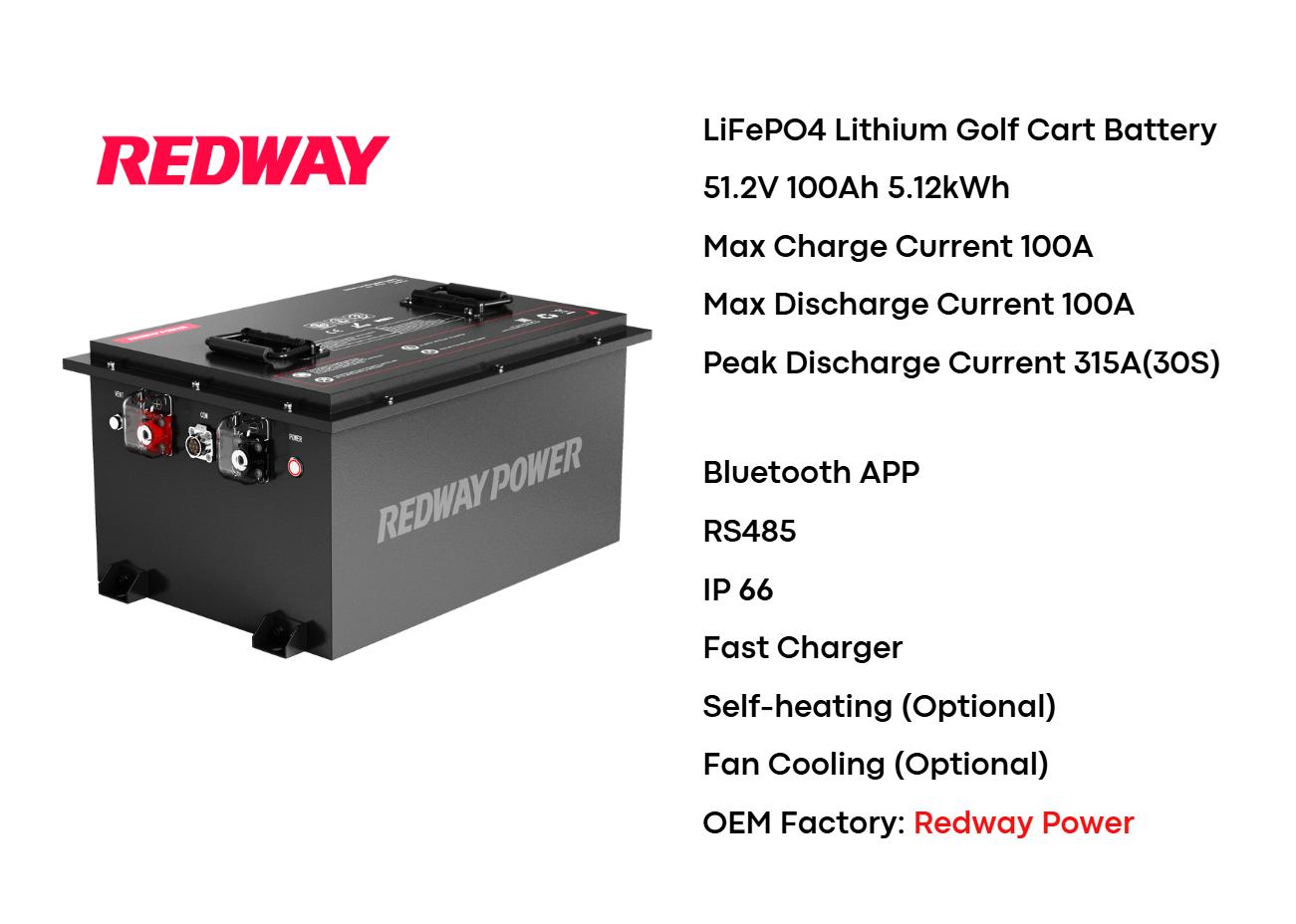
51.2v 100ah lithium golf cart battery oem factory
Latest News on Lithium Battery Technology
Recent advancements in lithium battery technology have focused on improving safety features and reducing costs associated with manufacturing and recycling these batteries. Innovations are also underway to enhance performance in extreme weather conditions, making them more viable for various applications beyond golf carts.
Expert Comment
“Transitioning from lead-acid to lithium golf cart batteries can be a game-changer in terms of performance and efficiency,” says Dr. Mark Johnson, an expert in battery technology with over fifteen years in the field. “However, potential buyers must carefully consider the disadvantages alongside the benefits before making such an investment.”
Frequently Asked Questions
Q: How long do lithium golf cart batteries last?
A: Typically, they last between 8-10 years compared to 3-5 years for lead-acid batteries.Q: Are there safety risks associated with lithium batteries?
A: Yes, while they have advanced safety features, there are risks such as overheating if not handled properly.Q: Can I use my existing charger with a new lithium battery?
A: No, lithium batteries often require specialized chargers designed specifically for their chemistry.Q: What should I do if my lithium battery is exposed to extreme temperatures?
A: Ensure it is stored in a temperature-controlled environment and avoid using it under extreme conditions whenever possible.
Know more:
Why You Should Consider Lithium Golf Cart Batteries for Your Next Upgrade
What Are the Disadvantages of Lithium Golf Cart Batteries?
What Are the Disadvantages of Converting Your Golf Cart to Lithium Batteries?