

Blog
How to Estimate Battery Life and Manage Energy Efficiently

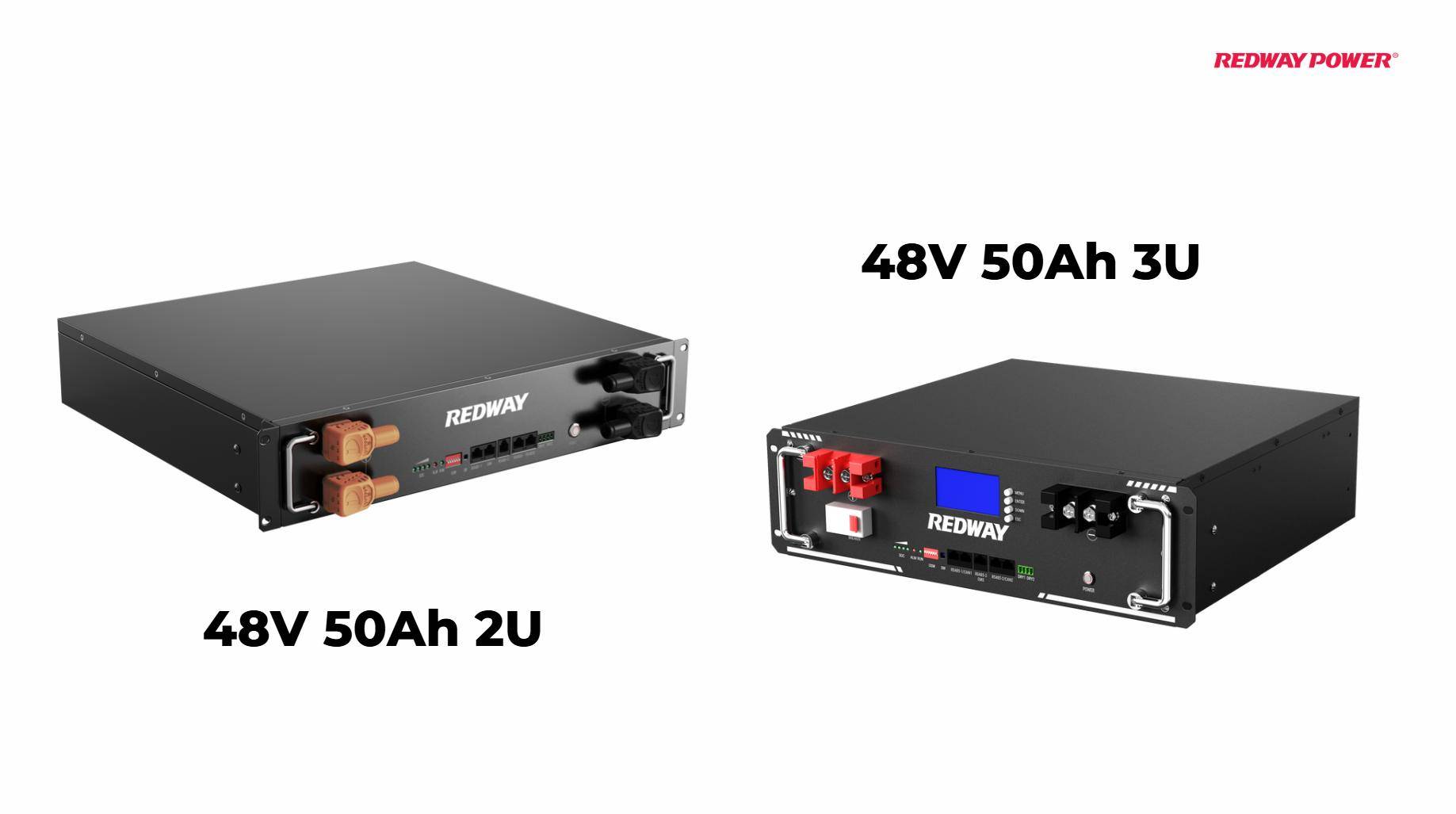
Estimating battery life and managing energy consumption are critical for optimizing the performance of battery-operated devices. Understanding how to calculate battery life based on usage patterns, charging cycles, and environmental factors can help users maximize efficiency. This article outlines the key factors affecting battery life and provides strategies for effective energy management.
What Factors Affect Battery Life?
Battery life is influenced by several factors, including temperature, usage patterns, charge cycles, and the type of battery chemistry used. Each of these elements plays a significant role in determining how long a battery will last before needing replacement or recharge.
| Factor | Description |
|---|---|
| Temperature | Extreme temperatures can shorten battery life |
| Usage Patterns | Continuous high-load usage depletes batteries faster |
| Charge Cycles | The number of charge and discharge cycles affects longevity |
| Battery Chemistry | Different chemistries (e.g., lithium-ion vs. lead-acid) have varying lifespans |
How Do You Calculate Battery Life?
To estimate battery life, you can use the following formula:
For example, if you have a battery with a capacity of 100Ah and a device that draws 10A, the calculation would be:
Calculation Example Chart
| Battery Capacity (Ah) | Device Current (A) | Estimated Battery Life (Hours) |
|---|---|---|
| 50 | 5 | 10 |
| 100 | 10 | 10 |
| 200 | 20 | 10 |
Which Charging Practices Extend Battery Life?
Proper charging practices are essential for maximizing battery lifespan. Here are some best practices:
- Avoid Deep Discharge: Try not to discharge batteries below 20% capacity.
- Use Smart Chargers: These chargers adjust the charging rate based on the battery’s state of charge.
- Maintain Optimal Temperature: Keep batteries within recommended temperature ranges during charging.
Charging Practices Chart
| Practice | Description |
|---|---|
| Avoid Deep Discharge | Prevents damage from excessive discharge |
| Use Smart Chargers | Ensures optimal charging rates |
| Maintain Temperature | Protects against heat-related degradation |
Why Is Energy Management Important?
Effective energy management helps optimize battery performance and prolongs its lifespan. By monitoring energy consumption and implementing strategies to reduce unnecessary usage, users can ensure that their devices operate efficiently.
How Can You Monitor Energy Consumption?
Monitoring energy consumption can be achieved through various methods:
- Energy Meters: Devices that measure power usage in real-time.
- Battery Management Systems (BMS): Systems that monitor battery health and performance metrics.
- Usage Logs: Keeping track of how often and how long devices are used can help identify patterns.
Monitoring Methods Chart
| Method | Description |
|---|---|
| Energy Meters | Track real-time power usage |
| Battery Management Systems (BMS) | Monitor health and performance metrics |
| Usage Logs | Record device usage patterns |
What Are the Benefits of Regular Maintenance?
Regular maintenance of batteries can significantly enhance their performance and lifespan. Key benefits include:
- Early Detection of Issues: Regular checks can identify potential problems before they escalate.
- Optimized Performance: Keeping terminals clean and connections secure ensures efficient operation.
- Extended Lifespan: Proper care can prolong the life of batteries, reducing replacement costs.
Expert Opinions
“Understanding how to estimate battery life and manage energy effectively is vital for anyone using rechargeable batteries,” says Dr. Emily Carter, an energy storage expert. “By adopting good practices and monitoring usage, users can significantly enhance the performance and longevity of their batteries.”
Conclusion
Estimating battery life and managing energy consumption are crucial for optimizing the performance of battery-operated devices. By understanding the factors that influence battery longevity and implementing effective management strategies, users can ensure reliable operation and extend the lifespan of their batteries.
FAQ
- How do I calculate my device’s power consumption?Power consumption can be calculated by multiplying voltage by current (Watts = Volts × Amps).
- What is the ideal temperature range for battery operation?Most batteries perform best at temperatures between 20°C to 25°C (68°F to 77°F).
- How often should I check my battery’s condition?Regular checks every few months are recommended to ensure optimal performance.