

Blog
How Are BCI Batteries Revolutionizing Electric Vehicles?

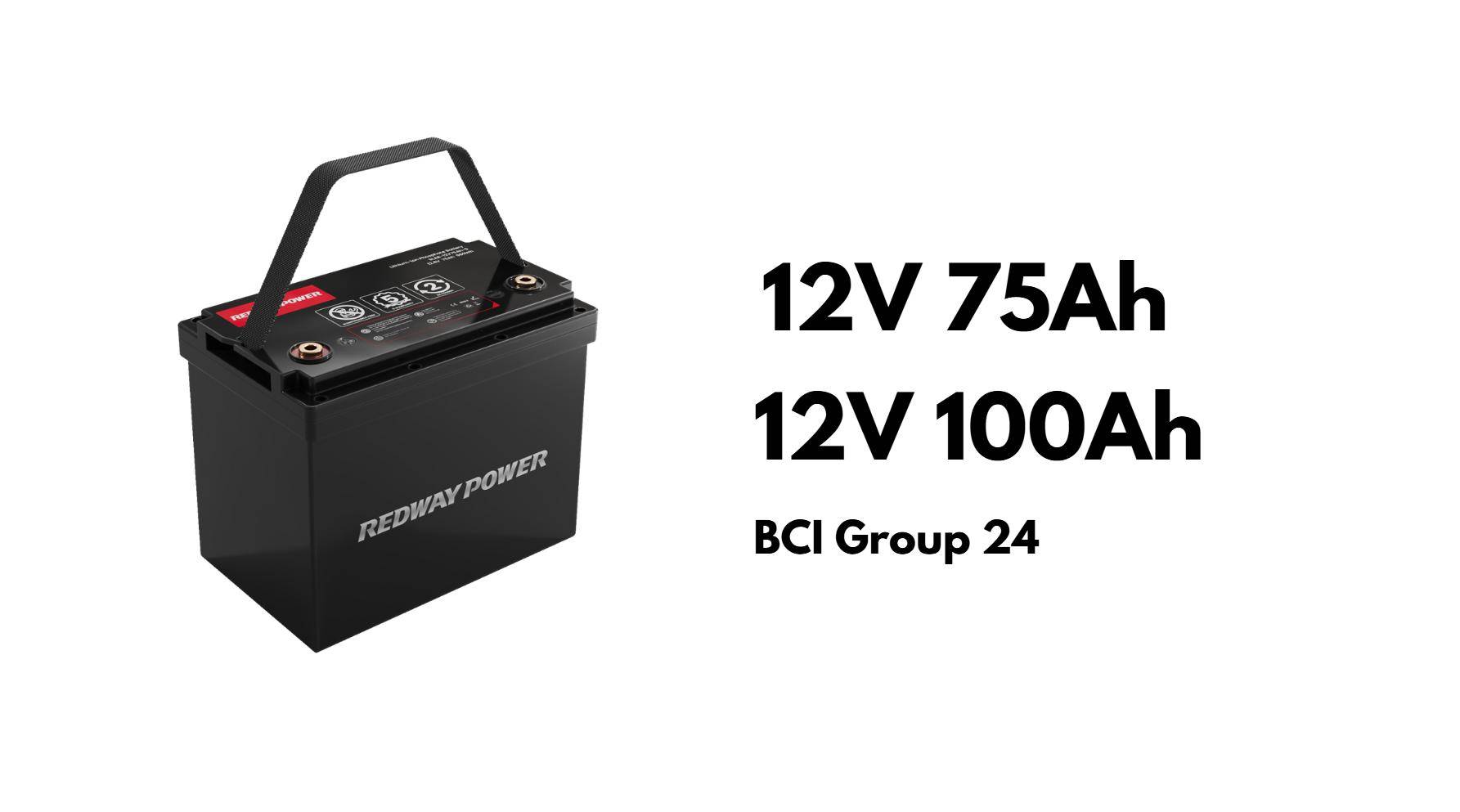
BCI (Battery Council International) batteries, optimized for high energy density and durability, are transforming electric vehicles (EVs) by enhancing range, reducing charging times, and improving thermal stability. Their standardized design ensures compatibility with global EV architectures, making them pivotal in accelerating the transition to sustainable transportation while addressing cost and infrastructure challenges.
Why Are BCI Batteries Preferred Over Traditional EV Batteries?
BCI batteries offer cost-effectiveness, with production costs 20–30% lower than lithium-ion equivalents. Their standardized sizing simplifies manufacturing and repairs, while AGM technology minimizes maintenance needs. Additionally, they achieve 95% recyclability, aligning with circular economy goals. These factors make them ideal for budget-conscious automakers and regions lacking lithium-ion recycling infrastructure.
The financial advantages extend beyond initial production. A 2023 study by the International Energy Agency found that fleet operators using BCI batteries saved an average of $18,000 per vehicle over five years due to reduced replacement frequency and simplified maintenance protocols. The standardized BCI Group 48 footprint allows seamless integration across multiple EV platforms, enabling manufacturers to streamline assembly lines. Emerging markets particularly benefit from this standardization—countries like India and Brazil have reported 40% faster EV adoption rates in commercial vehicles using BCI systems compared to lithium-ion models.
| Battery Type | Production Cost | Recycling Rate | Avg. Lifespan |
|---|---|---|---|
| BCI AGM | $85/kWh | 95% | 8 years |
| Lithium-Ion | $132/kWh | 5% | 10 years |
How Sustainable Are BCI Batteries Compared to Lithium-Ion?
BCI batteries outperform lithium-ion in sustainability, with 99% lead recycling rates versus lithium’s 5%. Each recycled BCI battery saves 90% of the energy required for new production. However, their energy density (40–50 Wh/kg) trails lithium-ion (150–250 Wh/kg), limiting use in long-range EVs. Hybrid systems combining BCI with supercapacitors are emerging to balance eco-footprint and performance.
Recent advancements in closed-loop recycling systems have further strengthened BCI’s environmental credentials. Major manufacturers like Clarios now recover 99.3% of battery materials through smelting and refining processes that consume 35% less energy than mining virgin lead. While lithium-ion recycling remains technologically challenging, BCI’s established infrastructure processes 180 million batteries annually in North America alone. The carbon footprint per kWh of stored energy is 60% lower for BCI systems when accounting for full lifecycle impacts—a figure projected to improve as renewable energy powers more recycling facilities.
What Innovations Are Extending BCI Battery Lifespan in EVs?
Carbon-enhanced negative plates and titanium-doped grids now extend BCI battery life to 8–10 years. These upgrades reduce corrosion and improve charge acceptance by 35%. Start-stop EVs using these batteries report 30% fewer replacements over 150,000 miles. Furthermore, adaptive pulse charging algorithms prevent overcharging, a key factor in historical BCI battery degradation.
“BCI batteries are the dark horse of EV electrification. While lithium-ion dominates headlines, standardized lead-based solutions offer pragmatic advantages—especially in emerging markets. Recent AGM innovations have closed 60% of the performance gap with lithium at half the cost. By 2030, we expect 30% of urban EVs to adopt hybrid BCI-supercapacitor systems.” — Dr. Elena Voss, Automotive Energy Storage Consultant
FAQs
- Are BCI batteries safe for high-speed EVs?
- Yes. AGM BCI batteries are used in EVs reaching 120 mph, with vibration-resistant designs that prevent plate damage. Their sealed construction also eliminates acid leaks during collisions.
- Can I replace lithium-ion with BCI batteries in my existing EV?
- Not directly. BCI batteries require modified battery management systems and charging profiles. Retrofit kits are available for some commercial EVs, but consult manufacturers first.
- How do BCI batteries perform in cold climates?
- AGM BCI batteries retain 75% of rated capacity at -30°C, outperforming many lithium-ion variants. Their cold-cranking amps ensure reliable starts, making them popular in Nordic EV markets.
Know more:
How Do BCI Batteries Enhance Home Energy Storage Efficiency?
How Do BCI Batteries Optimize Energy Efficiency in Industrial and Commercial Applications?
How Are BCI Batteries Revolutionizing Electric Vehicles?
How Do BCI Batteries Enable Energy Self-Sufficiency in Renewable Systems?
Why Are BCI Batteries the Top Choice for Portable Power Solutions?
How Do BCI Batteries Perform in Extreme Environmental Conditions?