

Blog
How Do BCI Batteries Enable Energy Self-Sufficiency in Renewable Systems?

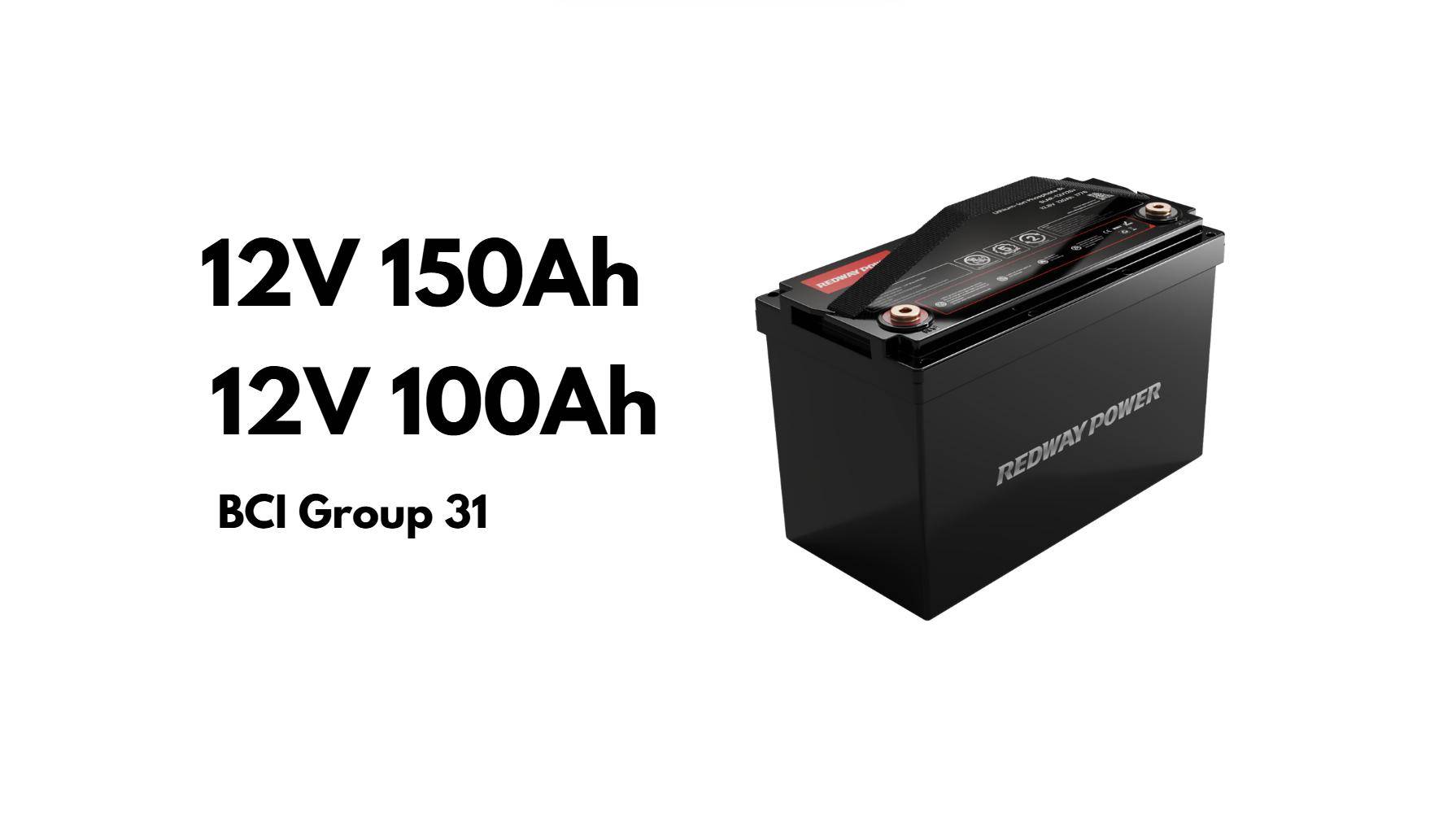
BCI (Battery Council International) Group 31 batteries are lead-acid storage units optimized for deep-cycle renewable applications. They store excess solar/wind energy via electrochemical reactions between lead plates and sulfuric acid electrolyte, delivering 200+ Ah capacity. Their 5000+ cycle lifespan at 50% depth of discharge makes them ideal for daily charge/discharge patterns in off-grid solar arrays.
How Do BCI Batteries Integrate With Solar/Wind Systems?
BCI batteries connect to renewable systems through charge controllers that regulate voltage input from solar panels (48V nominal) or wind turbines (24-96V range). Their 2V/cell configuration allows flexible bank sizing – six 12V Group 31 units create 72V systems for commercial wind farms. Advanced integration features include:
| Component | Compatibility | Efficiency |
|---|---|---|
| MPPT Controllers | 96% Conversion Rate | ±2% Voltage Tolerance |
| Hybrid Inverters | 48V/72V Support | 93% Round-Trip Efficiency |
Modern systems use CAN bus communication for real-time monitoring of state-of-charge (SOC) through battery management systems. This integration enables automatic load shedding when SOC drops below 40%, protecting battery health. Parallel configurations with 4/0 AWG cables maintain less than 3% voltage drop across 20-foot cable runs.
What Maintenance Practices Extend BCI Battery Lifespan?
Monthly specific gravity checks (1.265±0.005) prevent sulfation. Equalization charging every 3 months at 15.5V for 8 hours balances cell voltages. Terminal cleaning with baking soda solution reduces corrosion-induced resistance. Maintain 50% minimum state of charge – deep discharges below 20% accelerate plate degradation. Annual capacity testing identifies weak cells for timely replacement.
Advanced maintenance techniques include using infrared thermography to detect hot spots during charging cycles. Thermal imaging can identify failing cells 6-8 months before capacity degradation becomes apparent. Hydration systems with automatic distilled water dispensers maintain optimal electrolyte levels in flooded BCI models, reducing maintenance frequency by 70%. For VRLA types, annual internal resistance testing using micro-ohmmeters (accuracy ±2%) ensures stable performance.
“BCI batteries remain the workhorse for budget-conscious renewable installations. Their 98% recyclability rate aligns with circular economy goals, recovering 90% of lead for reuse. While lithium dominates headlines, our microgrid projects show BCI-based systems achieve 92% energy autonomy at 60% lower carbon footprint during production.”
– Renewable Systems Engineer, Global Microgrid Consortium
- How many BCI batteries power an average solar home?
- 4-8 Group 31 batteries (48V system) typically store 20-40 kWh – sufficient for 3 days of backup. Requires 5kW solar array for daily recharge.
- Can I mix BCI and lithium batteries?
- Not recommended. Different charge profiles cause imbalance. Use hybrid inverters with separate charge controllers if combining.
- What disposal regulations apply?
- US RCRA mandates 100% lead-acid battery recycling. Retailers collect spent units under 99% state recycling laws. Fines up to $10k apply for improper disposal.
Know more:
How Do BCI Batteries Enhance Home Energy Storage Efficiency?
How Do BCI Batteries Optimize Energy Efficiency in Industrial and Commercial Applications?
How Are BCI Batteries Revolutionizing Electric Vehicles?
How Do BCI Batteries Enable Energy Self-Sufficiency in Renewable Systems?
Why Are BCI Batteries the Top Choice for Portable Power Solutions?
How Do BCI Batteries Perform in Extreme Environmental Conditions?