

Blog
How to Choose the Right BCI Battery for Your Needs?

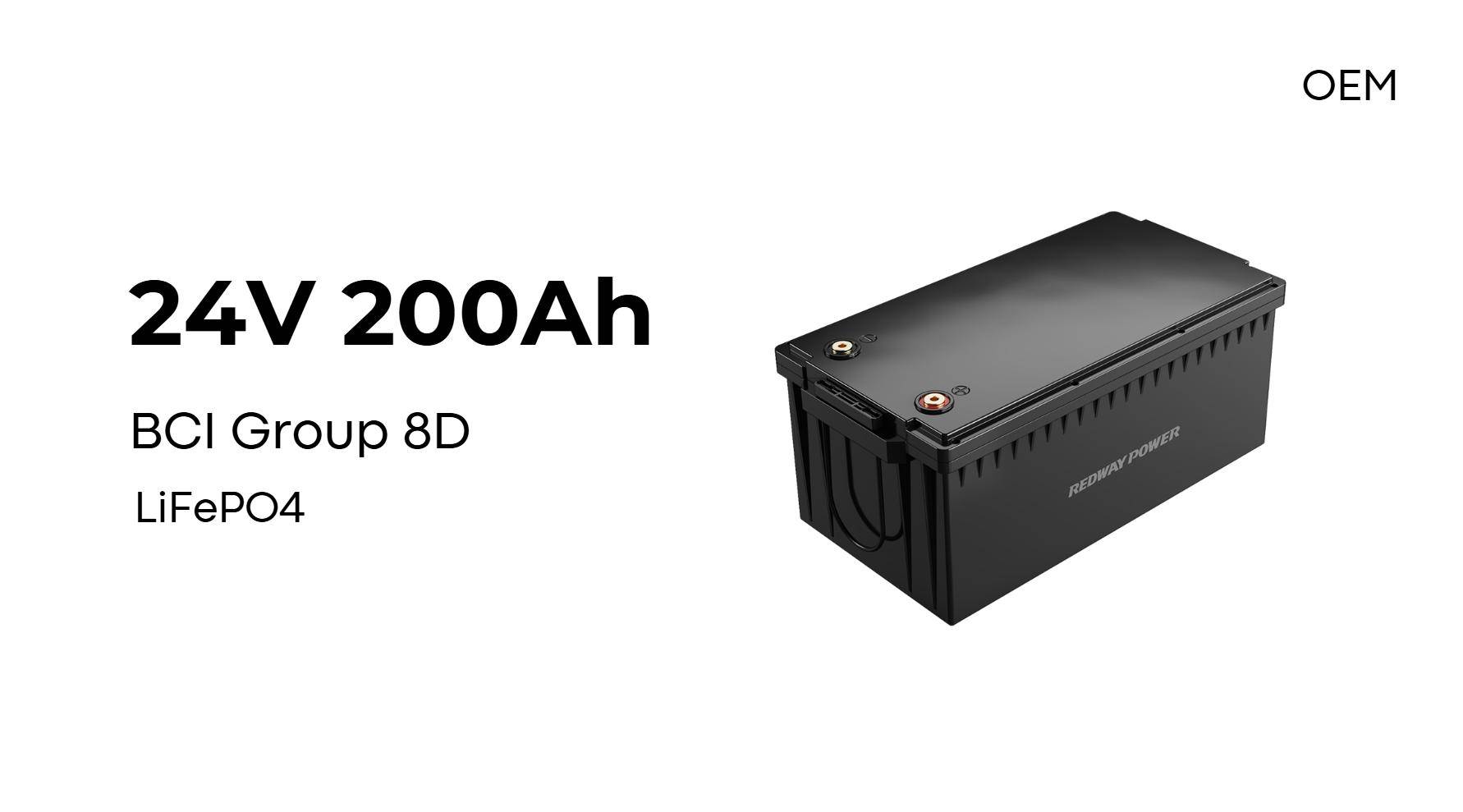
Choosing the right BCI battery involves evaluating group size, power requirements, application type, and environmental conditions. Match the BCI group number to your vehicle’s specifications, assess cold cranking amps (CCA) for climate needs, and prioritize maintenance requirements. Customized solutions ensure optimal performance, longevity, and cost-efficiency for automotive, marine, or industrial applications.
What Are BCI Battery Group Numbers and Why Do They Matter?
BCI group numbers standardize battery dimensions, terminal positions, and power capacities. Selecting the correct group ensures compatibility with your vehicle’s tray and electrical system. For instance, Group 24 is common for marine use, while Group 31 suits heavy-duty trucks. Mismatched group numbers risk poor fit, reduced performance, or damage.
How Do Cold Cranking Amps (CCA) Affect Battery Performance?
CCA measures a battery’s ability to start engines in cold temperatures. Higher CCA ratings (e.g., 800-1000) are critical for colder climates, while moderate CCA suffices in warmer regions. For diesel engines or commercial vehicles, prioritize CCA to ensure reliable ignition under stress.
Battery chemistry also plays a role in CCA efficiency. For example, AGM batteries maintain higher CCA consistency in extreme temperatures compared to flooded lead-acid variants. When selecting CCA ratings, consider your engine’s displacement and compression ratio. Larger engines typically require 20-30% higher CCA than factory recommendations for cold-weather reliability. Use this table as a general guide:
| Climate Zone | Recommended CCA Range |
|---|---|
| Subarctic (-18°C and below) | 900-1000+ |
| Temperate (-1°C to 15°C) | 700-850 |
| Subtropical (16°C and above) | 550-700 |
Which Applications Require Deep-Cycle vs. Starting Batteries?
Starting batteries deliver short, high-power bursts for ignition, ideal for cars. Deep-cycle batteries provide sustained energy for marine trolling motors, RVs, or solar systems. Dual-purpose batteries merge both functions but may compromise lifespan. Match battery type to usage patterns to avoid premature failure.
How Does Temperature Impact BCI Battery Lifespan?
Extreme heat accelerates chemical reactions, causing fluid loss and corrosion. Cold temperatures thicken electrolyte, reducing cranking power. Insulate batteries in harsh climates and use AGM or lithium-ion options for better temperature resilience. Regular voltage checks prevent sulfation in suboptimal conditions.
Know more:
How Do BCI Batteries Optimize Home Energy Management Systems?
How Can BCI Batteries Revolutionize Commercial Energy Storage Systems?
How Do BCI Batteries Enhance Electric Vehicle Performance?
How Are BCI Batteries Transforming Portable Device Power Solutions?
How to Choose the Right BCI Battery for Your Needs?
What Is BCI Battery System Integration and Why Does It Matter
What Maintenance Practices Extend BCI Battery Life?
Clean terminals to prevent corrosion, check electrolyte levels in flooded batteries, and avoid deep discharges. Use smart chargers to prevent overcharging. For sealed batteries (AGM/gel), monitor voltage monthly. Storage in cool, dry environments during inactivity minimizes self-discharge.
Implement a quarterly maintenance routine: inspect terminals for white sulfate buildup (clean with baking soda solution), tighten connections to 5-7 Nm torque, and test resting voltage (12.6V for full charge). For seasonal vehicles, use a maintenance charger during storage. Flooded batteries may require distilled water refills – never exceed the max fill line. Consider installing battery insulation blankets in freezing climates to preserve CCA capacity.
Are Lithium-Ion BCI Batteries Worth the Investment?
Lithium-ion batteries offer 2-3x longer lifespan, faster charging, and 50% weight reduction versus lead-acid. Though costlier upfront, they save long-term in replacements and maintenance. Ideal for high-demand applications like electric vehicles or off-grid systems where efficiency and durability are priorities.
How to Recycle or Dispose of BCI Batteries Safely?
BCI batteries contain toxic lead and acid. Return them to retailers, recycling centers, or authorized hazardous waste facilities. Many regions mandate recycling; improper disposal risks fines. Some manufacturers offer buy-back programs, reducing environmental impact and cost.
Expert Views
“Customized BCI solutions demand balancing technical specs with real-world usage,” says an industry engineer. “Lithium adoption is rising, but lead-acid remains cost-effective for standard applications. Always cross-reference OEM guidelines with aftermarket innovations—like EFB batteries for start-stop systems—to optimize performance.”
Conclusion
Selecting the right BCI battery requires analyzing group size, CCA, application type, and environmental factors. Prioritize maintenance and consider emerging technologies like lithium-ion for specialized needs. Aligning these elements ensures reliable power, longevity, and cost savings.
FAQs
- What is the average lifespan of a BCI battery?
- 3-5 years for lead-acid, 8-10 years for lithium-ion. Lifespan varies with usage, maintenance, and climate.
- Can I replace a flooded battery with an AGM?
- Yes, if voltage and dimensions align. AGM batteries are spill-proof and vibration-resistant but require compatible chargers.
- How do I check my vehicle’s BCI group number?
- Refer to the owner’s manual or measure the existing battery’s length, width, and height. Cross-check with BCI charts online.