Blog
How to Find the Right Forklift Dealer for Your Needs?

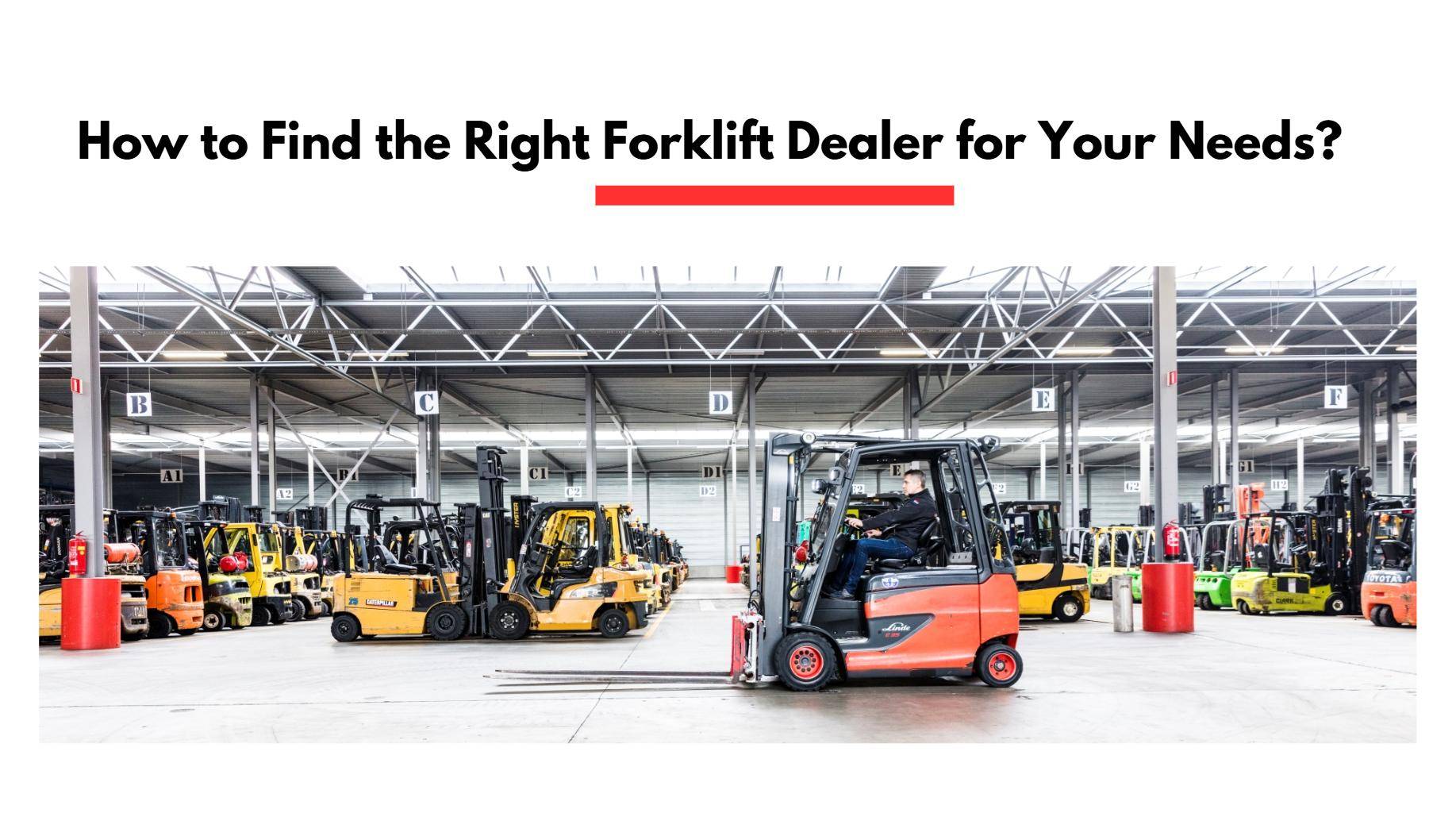
Finding the right forklift dealer involves evaluating their inventory, service reputation, and industry expertise. Prioritize dealers offering warranties, maintenance programs, and certified refurbished equipment. Local dealers provide faster support, while national chains may offer broader inventory. Verify certifications like MHEDA membership and OEM partnerships to ensure quality and reliability.
48v Lithium Forklift Batteries
How Can a Forklift Dealer Meet Your Equipment Needs?
Forklift dealers assess your operational requirements, such as load capacity, fuel type (electric, propane, or diesel), and workplace environment. They provide tailored solutions, including short-term rentals for seasonal demand or long-term leases for budget flexibility. Dealers also guide clients toward OSHA-compliant equipment and ergonomic designs to enhance workplace safety and efficiency.
What Should You Look for in a Forklift Dealer?
Choose dealers with certified technicians, 24/7 emergency support, and a proven track record in your industry. Evaluate their parts availability, onsite repair capabilities, and telematics integration for predictive maintenance. Transparency in pricing, flexible financing, and trade-in programs for used forklifts are critical factors. Avoid dealers without OEM affiliations or those lacking client testimonials.
When assessing dealer capabilities, consider their ability to provide customized fleet management solutions. Top-tier dealers utilize diagnostic software to monitor battery health, tire wear, and hydraulic system performance remotely. They should offer replacement parts warranties exceeding 12 months and demonstrate familiarity with your specific equipment models. For companies operating cold storage facilities, verify the dealer’s experience with low-temperature forklift modifications, including specialized tires and hydraulic oil formulations.
Why Is Local Dealer Support Important for Forklift Maintenance?
Local dealers minimize downtime by providing rapid response times for repairs and maintenance. They understand regional compliance standards and environmental regulations, ensuring your equipment meets legal requirements. Proximity also reduces transportation costs for parts and technicians, while fostering long-term relationships for personalized service and priority scheduling during peak operational periods.
How Do Forklift Dealers Source Certified Used Equipment?
Reputable dealers acquire used forklifts through trade-ins, auctions, and off-lease returns. Each unit undergoes rigorous inspections, including hydraulic system checks, mast alignment, and battery health assessments. Certified refurbished models include replaced wear parts, updated safety features, and warranties matching new equipment standards. Dealers also provide maintenance histories to validate equipment reliability.
What Financing Options Do Forklift Dealers Typically Offer?
Dealers collaborate with lenders to provide lease-to-own agreements, operating leases, and installment plans. Customizable payment structures align with cash flow needs, while tax-deductible leases reduce upfront costs. Some dealers offer seasonal payment deferrals or subsidized rates for eco-friendly electric models. Always review interest rates, residual values, and early termination clauses before committing.
| Financing Type | Term Length | Advantages |
|---|---|---|
| Operating Lease | 1-5 Years | Off-balance sheet, upgrade flexibility |
| Capital Lease | 3-7 Years | Ownership transfer, tax benefits |
| Equipment Loan | 5-10 Years | Fixed rates, asset ownership |
Many dealers now offer hybrid financing models combining lease and rental structures. These programs allow businesses to scale equipment during peak seasons while maintaining core fleet ownership. Leading providers include flexible mileage terms for LPG models and battery cycle guarantees for electric fleets.
How Can You Evaluate a Forklift Dealer’s Industry Reputation?
Check third-party platforms like Google Reviews, MHEDA’s Dealer Locator, and BBB ratings for unbiased feedback. Verify awards from OEMs like Toyota or Crown, indicating consistent service excellence. Ask for case studies demonstrating problem-solving in similar facilities. Red flags include unresolved OSHA violations or frequent staff turnover in service departments.
Modern forklift dealers are shifting toward integrated mobility solutions. At Redway, we’ve seen a 40% surge in demand for lithium-ion batteries and AI-powered fleet management systems. The best dealers now act as partners, analyzing telemetry data to predict maintenance windows and optimize fleet utilization—this reduces ownership costs by up to 30% compared to reactive approaches.”
Selecting the ideal forklift dealer requires balancing inventory breadth, technical expertise, and post-purchase support. Prioritize dealers offering customized solutions aligned with your operational scale and sustainability goals. By leveraging dealer networks and certified used equipment, businesses can optimize costs while maintaining peak material handling efficiency.

FAQs
- Can forklift dealers assist with operator training?
- Yes, many provide OSHA-compliant training programs covering equipment operation, load management, and battery safety.
- How long does dealer forklift certification last?
- Certifications typically expire after 1-3 years, requiring recertification through updated inspections and component replacements.
- Do dealers buy back old forklifts?
- Most offer trade-in programs, valuing used equipment based on age, condition, and market demand for refurbished units.
How do I find the right forklift dealer for my needs?
To find the right forklift dealer, assess your operational needs, such as the type of materials you handle and required lift capacity. Research dealers based on reputation, experience, and product range. Evaluate their after-sales support, including maintenance, parts availability, and financing options, ensuring they can meet your long-term business requirements.
What should I consider when assessing a forklift dealer?
When assessing a forklift dealer, consider their reputation, years of experience, and the variety of products they offer. Ensure they understand your industry needs, provide quality customer service, and offer after-sales support like maintenance, training, and parts availability. Verify their equipment is reliable and well-maintained.
How important is after-sales support when choosing a forklift dealer?
After-sales support is crucial when choosing a forklift dealer. Look for dealers who provide timely maintenance, repairs, and warranty services. Additionally, check if they offer training for operators and have a readily available parts inventory to ensure minimal downtime and smooth operations.
Should I rent or buy a forklift from a dealer?
Renting a forklift offers flexibility, especially for short-term needs or fluctuating demand. Buying is ideal if you require long-term use. Consider your budget, operational needs, and whether the dealer offers rental options or financing plans to help you decide.
What financing options should I look for in a forklift dealer?
Look for forklift dealers that offer flexible financing plans, including leasing, rental agreements, or purchase financing. These options can help spread the cost over time, improve cash flow, and make it easier to upgrade or replace equipment as needed.
How can I verify the quality of a forklift dealer’s equipment?
To verify the quality of a forklift dealer’s equipment, ask for detailed maintenance records and inspect the condition of the machines. Check online reviews, ask for referrals from other businesses, and ensure the dealer offers warranties or service agreements on their forklifts.