

Blog
What Happens If You Don’t Maintain Your Forklift Battery

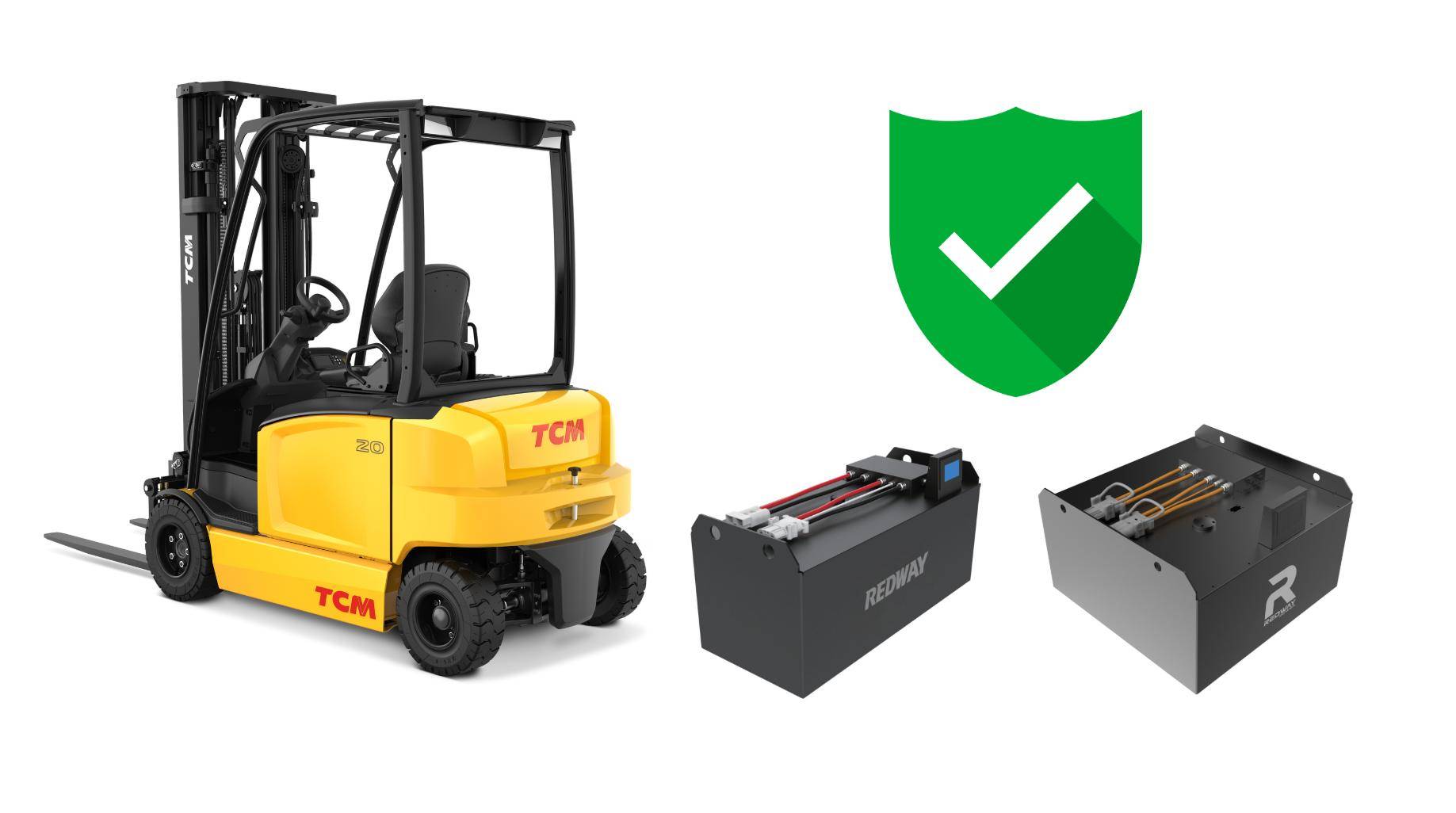
Neglecting forklift battery maintenance leads to reduced lifespan, safety hazards like acid leaks or explosions, decreased performance, and costly repairs. Sulfation, corrosion, and voltage drops occur, crippling efficiency. Regular watering, cleaning, and equalizing charges prevent these issues. Proactive care ensures optimal operation and avoids warranty voids.
LiFePO4 Forklift Batteries OEM Manufacturer
How Does Neglecting Maintenance Reduce Forklift Battery Lifespan?
Without regular watering and equalizing charges, lead-acid batteries develop sulfation—a crystalline buildup on plates that reduces capacity. Unmaintained batteries lose 20-30% lifespan, often failing within 1-2 years instead of the standard 5-year cycle. Acid stratification accelerates plate corrosion, while low electrolyte levels expose plates to air, causing irreversible damage.
Sulfation begins when batteries sit discharged for over 24 hours. Each incomplete charge cycle leaves residual lead sulfate crystals, which harden over time. Research shows a 1.5% capacity loss occurs weekly in batteries stored at 40% charge. Modern pulse charging technology can reverse early-stage sulfation, but once plates are 30% coated, capacity drops become permanent. Facilities using automated watering systems report 40% longer battery life compared to manual maintenance.
| Maintenance Frequency | Average Lifespan | Replacement Cost Savings |
|---|---|---|
| Weekly | 5-7 years | $12,000 |
| Monthly | 3-4 years | $6,000 |
| Never | 1-2 years | $0 |
What Safety Risks Emerge From Poor Battery Care?
Unmaintained batteries risk hydrogen gas explosions (flammable above 4% concentration), acid burns from overfilled cells, and electrical shorts from corroded terminals. Thermal runaway becomes likely when unbalanced cells overheat during charging. OSHA reports cite improper maintenance in 37% of forklift battery incidents, including toxic vapor releases and structural cracks from excessive vibration.
Hydrogen gas accumulation poses silent dangers—odorless and invisible, it can reach explosive concentrations in poorly ventilated charging areas. A single spark from corroded terminals can ignite gas pockets. Facilities must install hydrogen detectors and follow NFPA 505 ventilation standards. Case studies reveal that 68% of battery-related injuries involve improper handling during watering, emphasizing the need for training and spill containment systems.
How Does Poor Maintenance Void Warranties and Increase Costs?
Manufacturers like EnerSys and Crown void warranties if water levels aren’t checked biweekly. A single neglected battery can cost $8,000-$15,000 to replace—double the maintenance cost over 5 years. Facilities skipping monthly equalization see 60% higher energy costs due to inefficient charging cycles.
Warranty inspectors check for three key markers: terminal corrosion levels, water consumption logs, and voltage consistency. A 2023 industry audit found 43% of warranty claims denied due to missing maintenance records. Third-party service contracts often include documentation tools to prove compliance. For example, cloud-based tracking systems provide timestamps and photos of each maintenance action, protecting against disputes.
“Modern forklift batteries aren’t ‘install and forget’ assets. Our data shows facilities using AI-driven predictive maintenance have 83% fewer battery failures. Always monitor charge acceptance rates—a 10% drop signals imminent sulfation. Remember: One spilled cell today becomes a $5,000 replacement tomorrow.”
— Redway Power Systems Lead Engineer
FAQs
- How often should I water my forklift battery?
- Water every 5-10 cycles, post-discharge/pre-charge. Maintain ¼” above plates—underwatering exposes plates, overwatering causes acid spills.
- Can a sulfated battery be recovered?
- Early-stage sulfation reverses with desulfation chargers (8-12hr pulses). Severe cases require electrolyte replacement and plate scraping, restoring 60-70% capacity.
- What’s the cost of professional maintenance services?
- Third-party maintenance averages $150-$300/month per battery, including watering, testing, and cleaning. ROI analysis shows 4:1 savings versus in-house labor costs.
What happens if you neglect forklift battery maintenance?
Neglecting forklift battery maintenance can lead to reduced efficiency, shorter lifespan, and costly downtime. Poor maintenance increases the risk of electrical damage, corrosion, and safety hazards such as fire or chemical exposure. Additionally, the battery may fail unexpectedly, halting operations and requiring expensive replacements.
How does poor battery maintenance affect forklift performance?
A poorly maintained forklift battery will not hold a charge effectively, leading to shorter runtimes and decreased power. This can cause performance issues, such as slower operation and frequent recharging, ultimately reducing productivity and increasing operational costs.
What is the impact of neglecting battery watering and cleaning?
Failure to water and clean forklift batteries can result in corrosion of terminals and poor connectivity, reducing the battery’s efficiency and causing voltage drops. The buildup of electrolyte can also cause damage to the battery’s internal components, shortening its lifespan.
Can poor maintenance cause equipment damage?
Yes, neglecting forklift battery maintenance can lead to electrical damage, such as overheating of traction motors and hydraulic systems. Corrosion from electrolyte spills can further damage connectors and wiring, causing power loss and the need for expensive repairs.
What safety hazards can result from poor battery maintenance?
Improper maintenance of forklift batteries can create significant safety risks, including fire hazards from hydrogen gas buildup during charging. Damaged or poorly watered batteries may leak sulfuric acid, leading to chemical burns, respiratory issues, or eye injuries if exposed.
How does neglecting forklift battery maintenance affect its lifespan?
Skipping regular maintenance significantly shortens the lifespan of forklift batteries. A well-maintained battery can last 5-10 years, while neglect can reduce its lifespan to just a few years, leading to costly early replacements and increased downtime.
