Blog
What Are BCI Group Batteries and How Do They Work

BCI Group Batteries are standardized automotive batteries classified by the Battery Council International (BCI) based on physical dimensions, terminal placement, and electrical capacity. These codes ensure compatibility with specific vehicles, helping users select the correct battery size and power output. BCI groups range from 1 to 48, with each number corresponding to unique specifications for cars, trucks, and specialty vehicles.
12V 100Ah Lithium LiFePO4 Battery (Self-heating, RV Battery
How Does the BCI Group Number System Classify Batteries?
The BCI group number system categorizes batteries by length, width, height, terminal orientation, and cold cranking amps (CCA). For example, Group 24 batteries measure 10.25 x 6.8 x 8.8 inches, while Group 31 batteries are larger at 13 x 6.8 x 9.4 inches. This standardization prevents installation errors and ensures optimal performance for engines and electrical systems.
Why Is Choosing the Correct BCI Group Battery Important?
Selecting the right BCI group ensures proper fitment, prevents terminal corrosion, and delivers sufficient power for starting and onboard electronics. Incorrect sizes may cause vibration damage, leaks, or electrical failures. Manufacturers design vehicles around specific BCI groups to balance cranking power, reserve capacity, and weight distribution, making adherence critical for safety and longevity.
What Are the Key Differences Between BCI Group 24 and Group 34 Batteries?
Group 24 batteries (10.25” L) suit mid-sized cars, offering 70-85 Ah capacity, while Group 34 (10.25” L but taller) provides 55-80 Ah with higher CCA for trucks. Group 34 terminals are reversed compared to Group 24, making them incompatible despite similar lengths. Always check manufacturer charts to avoid cross-group mismatches.
Can You Use a Higher BCI Group Battery for Enhanced Performance?
Upgrading to a higher BCI group may improve CCA and reserve capacity if physical space allows. However, excessive size increases can strain mounting systems and alter weight balance. Consult your vehicle manual or use BCI’s online lookup tool to identify permissible upgrades without voiding warranties or risking damage.
How Do BCI Group Batteries Impact Hybrid and Electric Vehicles?
While BCI groups primarily apply to lead-acid starter batteries, hybrids and EVs use lithium-ion packs with distinct standards. However, auxiliary 12V batteries in EVs often follow BCI groups (e.g., Group 51R in Teslas) to power lights and computers. Future BCI expansions may address high-voltage EV battery standardization.
What Innovations Are Shaping the Future of BCI Group Batteries?
Advancements include absorbent glass mat (AGM) and lithium hybrid batteries within traditional BCI groups, offering 2x lifespan and vibration resistance. Smart BCI-compliant batteries with IoT sensors now provide real-time health monitoring via Bluetooth. These innovations maintain backward compatibility while meeting modern demands for start-stop systems and energy recovery.
The integration of carbon-enhanced plates in AGM batteries has reduced charging times by 40% compared to conventional designs. Manufacturers are also developing dual-purpose BCI group batteries that combine starting power with deep-cycle capabilities, ideal for RVs and marine applications. A recent breakthrough involves graphene-infused electrolytes in Group 31 batteries, boosting cold cranking performance by 25% in temperatures below -30°F.
| Innovation | BCI Group | Performance Gain |
|---|---|---|
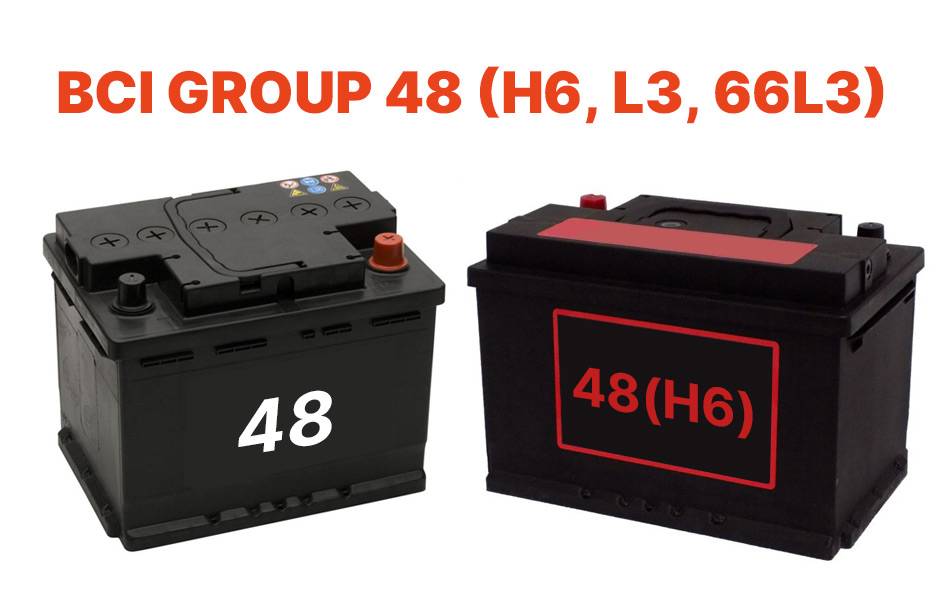
| AGM Technology | 48, 49 | 300% cycle life |
| Lithium Hybrid | 34, 35 | 50% weight reduction |
| Smart Sensors | 65, 78 | Real-time diagnostics |
How Does Climate Affect BCI Group Battery Selection?
Cold climates require higher CCA ratings within the same BCI group—opt for 800+ CCA in sub-zero regions. Hot climates prioritize reserve capacity (RC) to withstand heat-induced sulfation. BCI’s climate-specific charts recommend group variants like 65 (northern) vs. 86 (southern) with electrolyte formulations tailored to temperature extremes.
In arctic conditions, Group 75 batteries with spiral-cell technology maintain 95% efficiency at -40°F, compared to standard flooded batteries that lose 60% power. Desert users should consider Group 27F batteries featuring advanced venting systems to minimize water loss. Humidity-prone coastal areas benefit from sealed BCI Group 31M batteries with corrosion-resistant terminals rated for 500+ salt spray hours.
| Climate Zone | Recommended BCI Group | Key Feature |
|---|---|---|
| Polar | 75 | Spiral-wound cells |
| Arid | 27F | Reinforced vents |
| Tropical | 31M | Marine-grade seals |
“BCI group standards are evolving beyond fitment to include performance metrics for emerging tech,” says a Redway battery engineer. “We now see Group 48 AGM batteries supporting 15,000 engine cycles in start-stop vehicles—a 300% improvement over traditional flooded designs. Always match not just size, but chemistry to your driving profile.”
FAQs
- Q: How often should BCI group batteries be replaced?
- A: Every 3-5 years, depending on climate and usage. Test voltage annually—below 12.4V indicates replacement need.
- Q: Are BCI group numbers universal globally?
- A: Primarily North American. Europe uses ETN codes, Asia JIS standards, but cross-reference charts exist.
- Q: Can BCI group batteries be recycled?
- A: Yes—97% of lead-acid batteries are recycled. Return old units to retailers or BCI-certified recyclers.