Blog
What Are Essential Forklift Battery Charging Safety Tips?

Forklift battery charging safety tips include proper ventilation, using PPE, inspecting equipment, avoiding overcharging, and following manufacturer guidelines. These practices prevent explosions, electrolyte leaks, and electrical hazards. Always train operators in emergency protocols and maintain clean charging stations to minimize risks.
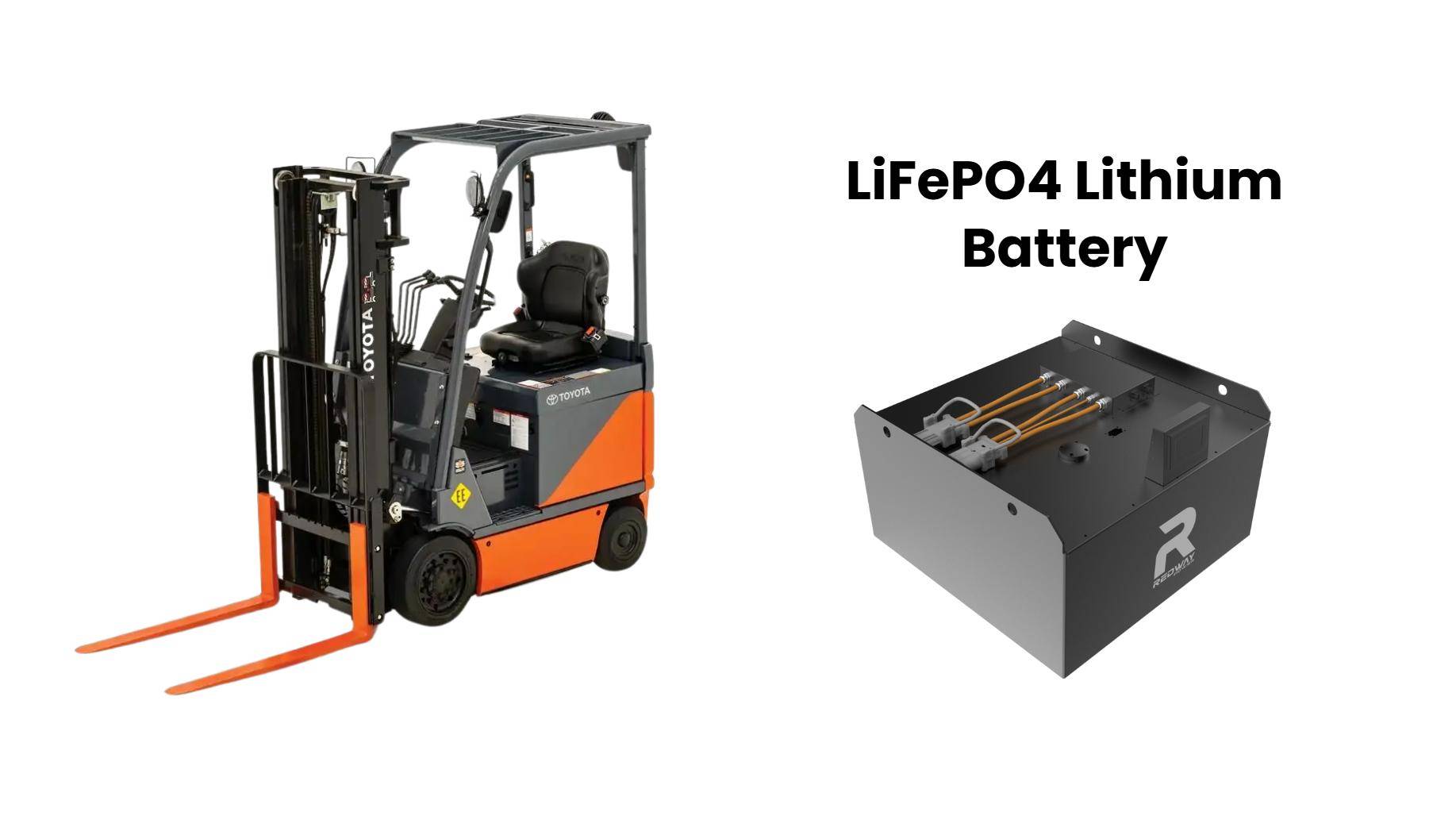
LiFePO4 Forklift Batteries Wholesale
How Do Forklift Battery Types Influence Charging Safety?
Lead-acid and lithium-ion batteries dominate forklifts. Lead-acid requires ventilation due to hydrogen gas emissions during charging. Lithium-ion needs specialized chargers to prevent thermal runaway. Mischarging incompatible batteries risks leaks, fires, or explosions. Always verify battery chemistry and use designated chargers.
Temperature sensitivity varies significantly between battery types. Lead-acid batteries perform best at 77°F (25°C) with charging efficiency dropping 15% for every 18°F (10°C) below this range. Lithium-ion batteries require tighter thermal control between 32°F-113°F (0°C-45°C) to prevent cathode degradation. Many facilities now use battery management systems (BMS) that track:
| Parameter | Lead-Acid | Lithium-Ion |
|---|---|---|
| Charge Voltage | 2.45V/cell | 3.6-3.8V/cell |
| Charge Cycle | 8-10 hours | 1-3 hours |
| Memory Effect | None | Partial |
Which PPE Is Mandatory During Battery Handling?
Wear acid-resistant gloves, goggles, and aprons when handling electrolytes. Use face shields during topping off. Steel-toe boots prevent crush injuries. Avoid synthetic fabrics that melt; opt for flame-retardant cotton. Store PPE separately to avoid chemical contamination.
PPE requirements escalate based on battery size and operation phase. When handling 48V 750Ah industrial batteries, workers need voltage-rated rubber gloves (Class 00, 500V) with leather protectors. For electrolyte mixing operations, OSHA 1910.178(g)(4) mandates full-face respirators with acid gas cartridges. Thermal imaging cameras have become critical PPE supplements – they detect overheating connections up to 15 minutes before visible smoke appears. Facilities using automated guided forklifts (AGVs) now implement:
- RFID-enabled PPE tracking systems
- Smart gloves with conductivity sensors
- Aprons with pH-sensitive color indicators
What Are OSHA’s Forklift Battery Charging Regulations?
OSHA 1910.178(g) requires dedicated charging areas, spill kits, and documented training. Weekly inspections of eyewash stations and monthly equipment checks are mandatory. Violations incur fines up to $13,653 per incident. Compliance reduces liability and insurance premiums.
“Modern lithium-ion forklift batteries demand stricter thermal monitoring than legacy systems. At Redway, we’ve seen a 40% safety improvement in facilities using AI-powered charging stations that auto-adjust voltage based on cell temperatures.” — Redway Power Solutions Engineer
FAQS
- Can I Charge a Forklift Battery Overnight?
- Only with smart chargers that auto-shutoff at full charge. Manual chargers risk overcharging, leading to water loss and plate damage in lead-acid batteries.
- How Often Should Battery Water Levels Be Checked?
- Check lead-acid battery water levels weekly. Top off with distilled water post-charging to prevent sulfuric acid exposure. Never fill below ½ inch above plates.
- Are Lithium Forklift Batteries Safer Than Lead-Acid?
- Lithium batteries eliminate hydrogen emissions but require precise temperature control. Their sealed design reduces spill risks but demands certified chargers to prevent thermal incidents.
What are the essential forklift battery charging safety tips?
Essential forklift battery charging safety tips include charging in a well-ventilated area away from sparks or flames, using the correct charger, and wearing personal protective equipment (PPE). Always inspect equipment before charging, turn off the charger before connecting, and never charge a live battery to avoid electrical faults or gas buildup.
How should you prepare a forklift battery before charging?
Before charging, park the forklift on a level surface, engage the parking brake, and turn off the forklift. Ensure the charging area is well-ventilated and free of flammable materials. Inspect cables for damage and ensure the charger matches the battery’s voltage and capacity. Open the battery compartment to allow ventilation during charging.
What safety equipment should be worn during forklift battery charging?
When charging a forklift battery, always wear appropriate personal protective equipment (PPE) including safety goggles, gloves, and an acid-resistant apron. Remove jewelry to avoid the risk of electrical shorts and protect against accidental exposure to battery acid or gases.
How should you handle the battery during the charging process?
During charging, always turn off the charger before connecting or disconnecting the battery. Monitor the charging process for signs of overheating or unusual behavior. Keep the area clear of clutter and bystanders. Never charge a battery while it is still powering the forklift to prevent electrical faults.
What should you do after charging a forklift battery?
After charging, turn off the charger first before disconnecting the battery. Remove the battery connectors by grasping the connector, not the cables. For lead-acid batteries, open vent caps carefully after cooling, check water levels, and add distilled water if needed. Clean any acid spills with a baking soda solution.
What are the key steps for maintaining battery safety during forklift charging?
Key steps for maintaining battery safety include charging in a designated, well-ventilated area, ensuring the charger is appropriate for the battery, and conducting regular inspections of the battery and charger. Always wear PPE and handle the battery and equipment with care to avoid electrical hazards or exposure to harmful gases.