Blog
What Factors Influence Wei Lun Forklift Battery Replacement Costs?

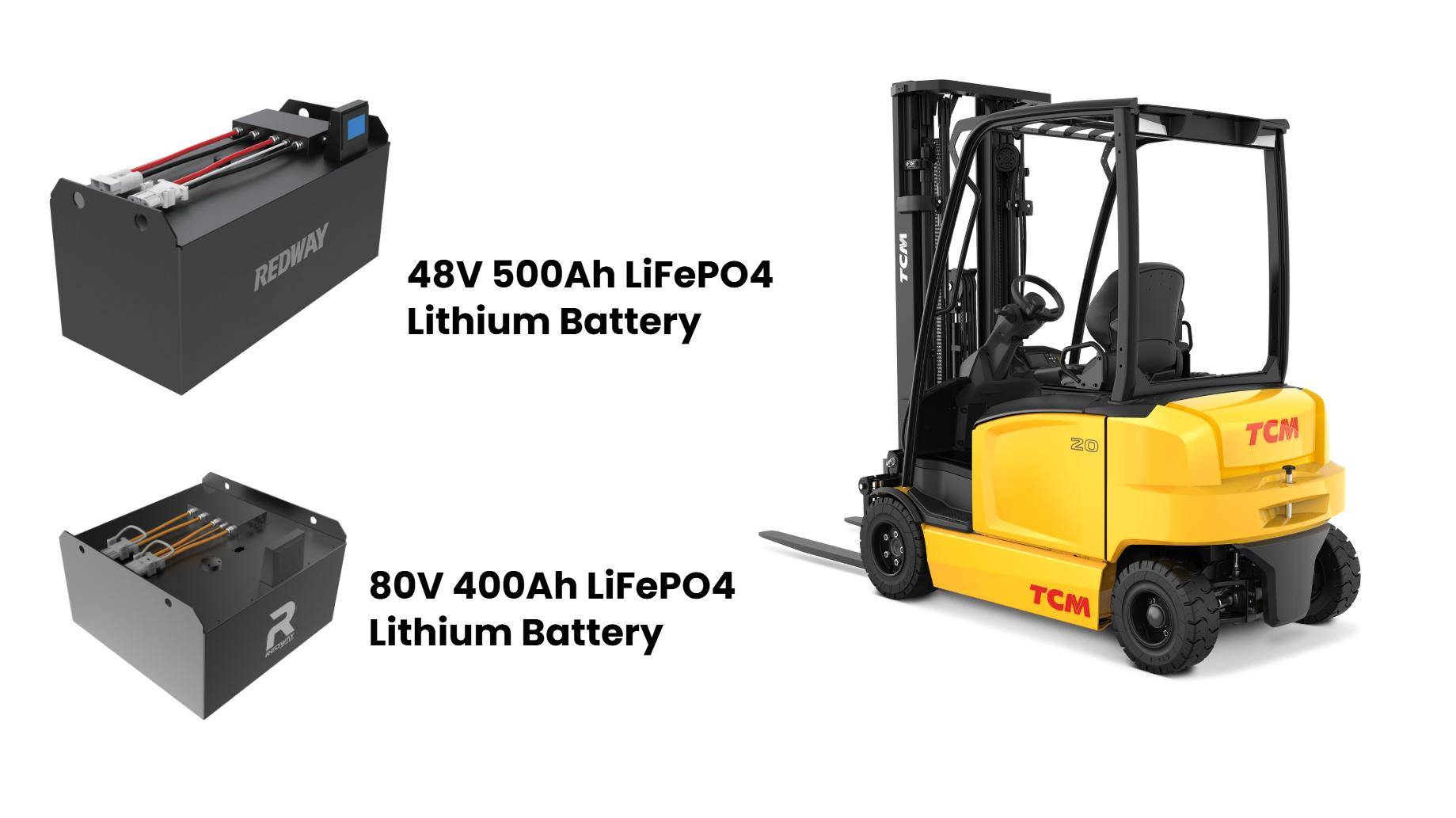
Wei Lun forklift battery replacement costs range from $2,500 to $8,000+, depending on battery capacity, voltage, and technology. Lead-acid batteries are cheaper upfront ($2,500–$5,000), while lithium-ion options cost $6,000–$8,000 but offer longer lifespans. Additional factors include labor fees, disposal charges, and regional pricing variations.
LiFePO4 Forklift Batteries Wholesale
How Does Battery Capacity Affect Replacement Costs?
Higher capacity batteries (500–1,500 Ah) cost more due to increased material requirements. For example, a 48V/800Ah Wei Lun lead-acid battery costs ~$4,200, while a 36V/500Ah unit averages $3,100. Lithium-ion models add a 30–50% premium but provide 3× more cycles, reducing long-term replacement frequency.
Battery capacity directly correlates with energy density and plate thickness. Industrial operations requiring 10+ hours of daily runtime should prioritize 1,000Ah+ batteries despite higher initial costs. For warehouses with scheduled charging breaks, mid-capacity (600–800Ah) batteries often deliver optimal balance. Temperature also affects capacity – lead-acid batteries lose 15% efficiency at 0°C, while lithium-ion maintains 95% performance from -20°C to 60°C.
| Capacity (Ah) | Lead-Acid Cost | Lithium-Ion Cost | Cycle Life |
|---|---|---|---|
| 500 | $3,100 | $4,650 | 1,500 vs. 4,500 |
| 800 | $4,200 | $6,300 | 1,200 vs. 3,800 |
| 1,200 | $5,800 | $8,700 | 1,000 vs. 3,200 |
Why Choose Lithium-Ion Over Lead-Acid for Wei Lun Forklifts?
Lithium-ion batteries offer faster charging (1–2 hours vs. 8–10 hours for lead-acid), 80% energy efficiency (vs. 50–60%), and zero maintenance. While initial costs are 60% higher, their 10-year lifespan versus 5–7 years for lead-acid results in 40% lower lifetime costs. Ideal for multi-shift operations.
Lithium Forklift Batteries Factory
The modular design of lithium-ion batteries allows partial replacement of individual cells, reducing long-term maintenance costs. They also feature built-in Battery Management Systems (BMS) that prevent overcharging and optimize performance. Unlike lead-acid batteries requiring specific charge cycles, lithium-ion units support opportunity charging during breaks without memory effect. Recent advancements include smart connectivity features enabling real-time monitoring of State of Charge (SOC) and predictive maintenance alerts through IoT integration.
Where Are Wei Lun Batteries Manufactured?
Wei Lun batteries are produced in ISO-certified facilities in Guangdong, China, using robotic assembly lines. Regional manufacturing hubs in the U.S. (Texas) and EU (Poland) handle localized adaptations. All batteries undergo 23-point quality checks, including thermal stress tests and capacity validation under DIN 43534 standards.
When Should You Replace a Wei Lun Forklift Battery?
Replace Wei Lun batteries when capacity drops below 80% of rated Ah (typically after 1,500 cycles for lead-acid or 4,000 cycles for lithium-ion). Warning signs include voltage drops >10% under load, swollen cases, or electrolyte stratification. Use battery monitoring systems for predictive maintenance.
Does Battery Chemistry Impact Operational Efficiency?
Lead-acid batteries lose 0.5–1% capacity daily through self-discharge versus 0.1–0.3% for lithium-ion. Lithium models maintain stable voltage until 90% discharge, whereas lead-acid drops 20% after 50% discharge. This translates to 15% longer runtime per charge for lithium-ion units.
Are Refurbished Wei Lun Batteries Cost-Effective?
Refurbished Wei Lun batteries cost 40–60% less than new units ($1,500–$3,500) but carry risks: 30% fail within 18 months versus 5% for new batteries. Only consider refurbished options with OEM-replaced plates and updated BMS firmware. Warranty terms drop from 5 years (new) to 1–2 years (refurbished).
How to Calculate Total Ownership Costs?
To calculate total ownership costs, add the initial purchase price, operating expenses like energy usage, and ongoing maintenance costs. Include expected lifespan in cycles, labor for servicing, and costs from downtime or replacement. Consider disposal or recycling fees at end-of-life. Divide the total by estimated service life to find cost per use. This method gives a complete view of long-term investment, helping you compare options and choose the most cost-effective battery solution.
Use this formula:
Total Cost = (Initial Price + (Replacement Frequency × Disposal Costs)) / Operational Years
| Battery Type | Initial Cost | Disposal Fee | Annual Cost |
|---|---|---|---|
| Lithium-ion | $7,000 | $0 | $700/year |
| Lead-Acid | $4,000 | $1,200 | $742/year |
Expert Views
“Redway’s analysis shows lithium-ion ROI breakeven occurs at 1,200 annual operating hours. Below this threshold, lead-acid remains viable. Above 2,000 hours, lithium-ion’s 30% energy savings and reduced downtime justify the premium. Always cross-reference battery specs against ANSI B56.1 load requirements.”
— Redway Power Solutions Engineer
Conclusion
Wei Lun battery replacement costs require holistic analysis of chemistry, duty cycles, and regional factors. While lithium-ion dominates high-utilization scenarios, lead-acid retains niche viability. Always validate supplier certifications (UL 2580 for lithium, IEC 61427 for lead-acid) and negotiate service contracts covering thermal management system audits.
FAQ
- Can I retrofit older Wei Lun forklifts with lithium batteries?
- Yes, but requires BMS compatibility checks and possible contactor upgrades ($300–$800).
- How long do Wei Lun batteries take to charge?
- Lead-acid: 8–10 hours (opportunity charging not recommended). Lithium-ion: 1–2 hours (supports partial charges).
- What warranty comes with Wei Lun batteries?
- 2-year full warranty on lead-acid, 5-year pro-rated on lithium-ion (covers 70% capacity retention).
What Factors Influence Wei Lun Forklift Battery Replacement Costs?
Wei Lun forklift battery replacement costs are affected by factors like battery type (lithium-ion vs. lead-acid), capacity, voltage, and lifespan. Operational factors, such as maintenance needs and the Total Cost of Ownership (TCO), also play a significant role. Market conditions and logistics further influence the final replacement price.
How Does Battery Type Affect Forklift Battery Replacement Costs?
Lithium-ion batteries typically have a higher upfront cost compared to lead-acid batteries, but they offer a longer lifespan and require less maintenance. The overall Total Cost of Ownership (TCO) of lithium batteries is lower due to fewer replacements and lower operational costs over time.
Why Are Lithium-Ion Forklift Batteries More Expensive to Replace?
Lithium-ion batteries cost more upfront than lead-acid batteries, but they offer significant advantages, including longer service life, faster charging times, and fewer maintenance needs. These features reduce operational downtime and maintenance costs, leading to a lower Total Cost of Ownership in the long term.
How Does Battery Capacity and Voltage Influence Replacement Costs?
Battery capacity (measured in Ah) and voltage (V) directly affect the price of forklift battery replacements. Higher capacity and voltage batteries, like those used in heavy-duty forklifts, typically cost more due to the larger energy output and higher performance required, influencing both initial costs and lifetime expenses.
What Is the Impact of Battery Lifespan on Replacement Costs?
A battery’s lifespan directly impacts replacement costs. While lead-acid batteries need frequent replacements, lithium-ion batteries last longer (up to 3,000 cycles or more). The longer lifespan of lithium-ion batteries results in fewer replacements, making them more cost-effective over time despite their higher initial cost.
How Do Maintenance and Operational Costs Affect Forklift Battery Replacement?
The maintenance and operational costs significantly impact forklift battery replacement costs. Lead-acid batteries require more maintenance, such as watering and cleaning, leading to higher ongoing costs. In contrast, lithium-ion batteries require minimal maintenance, which reduces operational expenses and extends battery life, lowering the Total Cost of Ownership (TCO).