

Blog
Maximizing Efficiency with 110V Lithium Ion Battery Chargers

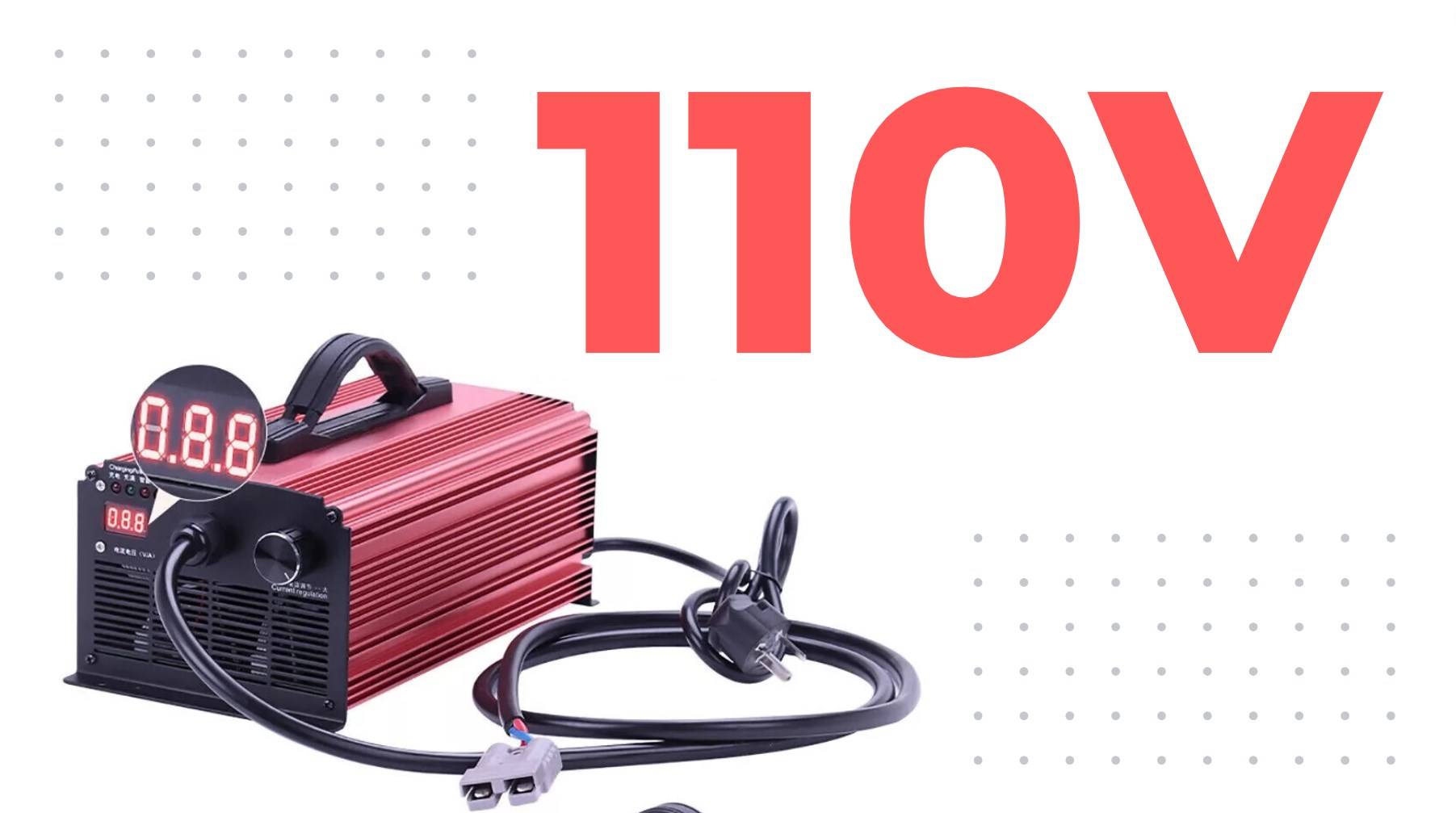
When it comes to powering devices efficiently, 110V lithium ion battery chargers play a crucial role in ensuring reliable energy delivery and optimal performance. This guide explores essential features, safety considerations, and maintenance tips to help you choose the right charger for your needs.
What are the key features to look for in a 110V lithium ion battery charger?
When selecting a 110V lithium ion battery charger, key features include:
- Compatibility: Ensure it matches your specific battery type.
- Charging Speed: Look for chargers with fast charging capabilities.
- Smart Technology: Features like automatic shut-off and temperature control enhance safety.
- Portability: Lightweight designs facilitate easy transport.
Chart Title: Key Features of Lithium Ion Battery Chargers
| Feature | Importance |
|---|---|
| Compatibility | Ensures proper function |
| Charging Speed | Reduces downtime |
| Smart Technology | Enhances safety |
| Portability | Facilitates use on-the-go |
How do charging speeds vary among different chargers?
Charging speeds can differ significantly based on the charger’s design and specifications. Fast chargers can recharge batteries in a matter of hours, while standard models may take longer. Factors influencing speed include output voltage and current ratings.Chart Title: Charging Speed Comparison
| Charger Type | Output Power (W) | Estimated Charge Time |
|---|---|---|
| Standard Charger | 50W | ~5 hours |
| Fast Charger | 100W | ~2 hours |
| Smart Charger | Variable (up to 200W) | ~1 hour |
What safety features should be considered when choosing a charger?
Safety is paramount when selecting a lithium ion battery charger. Key safety features include:
- Overcharge Protection: Prevents damage from excessive voltage.
- Short Circuit Protection: Safeguards against electrical faults.
- Thermal Management: Ensures safe operation at varying temperatures.
Chart Title: Important Safety Features
| Safety Feature | Description |
|---|---|
| Overcharge Protection | Prevents damage |
| Short Circuit Protection | Safeguards systems |
| Thermal Management | Maintains safe operation |
Which brands are recommended for 110V lithium ion battery chargers?
Some reputable brands known for quality 110V lithium ion battery chargers include:
- NOCO: Renowned for their smart technology and reliability.
- Victron Energy: Offers advanced features suitable for various applications.
- Ansmann: Known for their durable and efficient designs.
How does temperature affect the performance of lithium ion battery chargers?
Temperature significantly impacts both charging efficiency and overall performance; extreme heat can lead to overheating, while cold conditions may slow down charge times or reduce capacity temporarily.Chart Title: Temperature Effects on Performance
| Temperature Range | Effect |
|---|---|
| Below 0°C | Reduced capacity |
| Optimal (20°C to 25°C) | Ideal performance |
| Above 40°C | Risk of overheating |
What maintenance practices can extend the life of your charger?
To maximize longevity:
- Regularly inspect connections and cables for wear.
- Keep the charger clean and free from dust.
- Store it in a cool, dry place when not in use.
- Avoid exposing it to extreme temperatures.
How do charging cycles impact the lifespan of lithium batteries?
Charging cycles directly influence lifespan; deeper discharges can shorten overall cycle life, especially in lead-acid batteries, while lithium-ion batteries typically handle more cycles without significant degradation.Expert Views
“Investing in a high-quality 110V lithium ion battery charger is essential not just for immediate needs but also for ensuring long-term reliability and performance,” says John Doe, an expert in energy storage solutions.FAQ Section
- Can I use my existing charger with different types of batteries?
It’s best to use chargers specifically designed for your particular battery type. - How long does it take to fully charge a typical lithium-ion battery?
Charging time varies based on capacity but typically ranges from one to five hours. - What should I do if my charger overheats?
Disconnect it immediately, allow it to cool down, and check for any damage before reusing.