Blog
Maximizing Performance with 48V Telecom Batteries

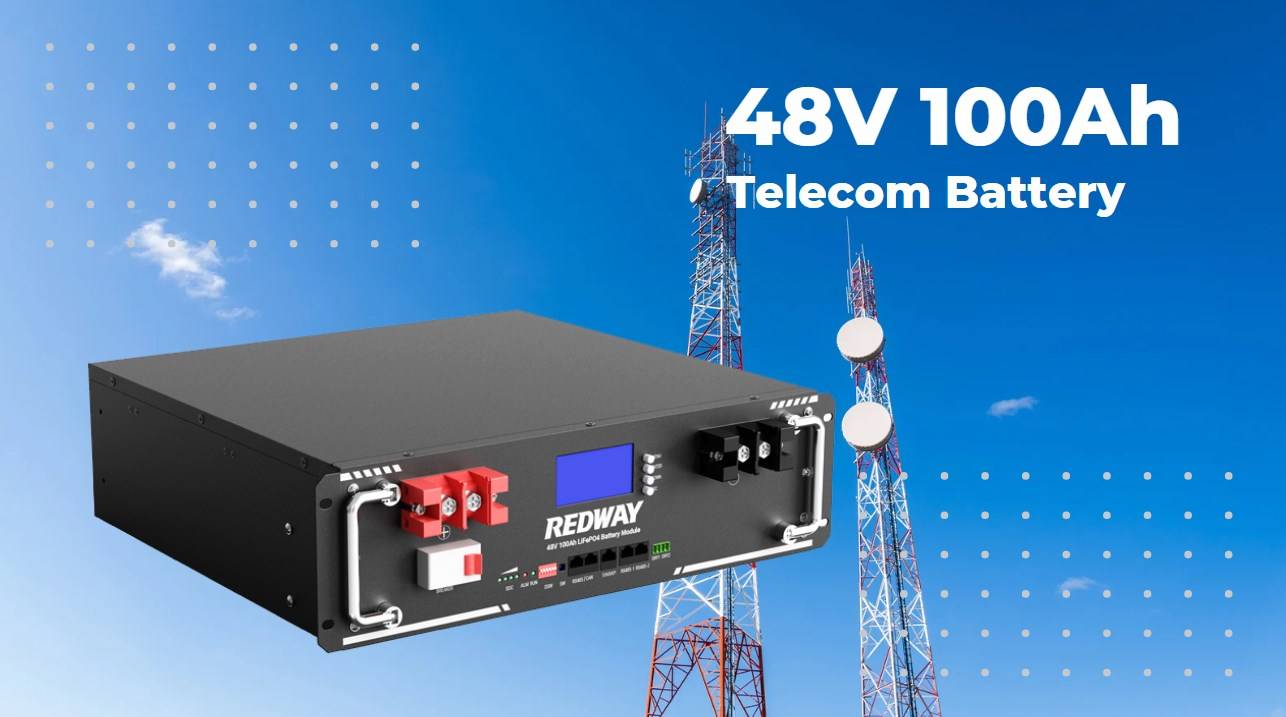
48V telecom batteries are essential components in modern telecommunications infrastructure, providing reliable power solutions that ensure uninterrupted service during outages and peak demand periods. This guide explores their features, advantages, applications, and maintenance practices to help you maximize performance and reliability.
What are 48V telecom batteries?
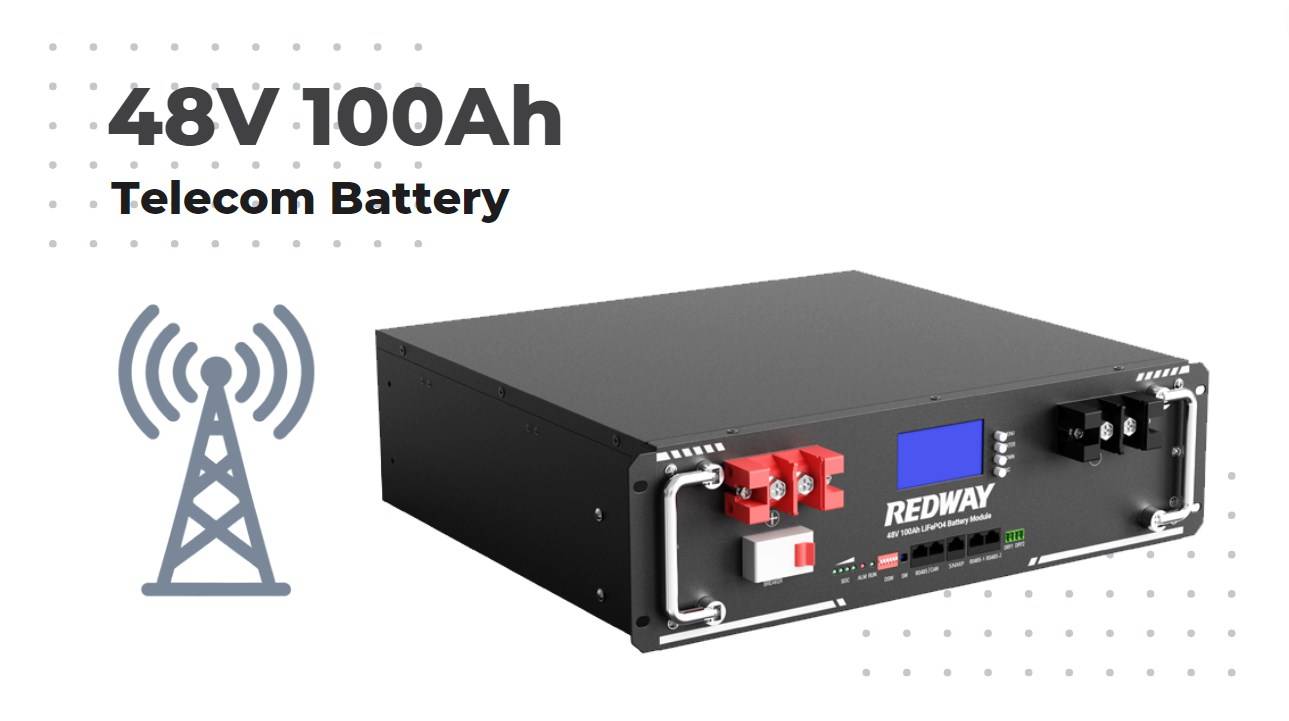
48V telecom batteries are specialized energy storage systems designed to support telecommunications equipment by providing a stable power supply during outages or fluctuations in the main power source. These systems typically utilize lithium-ion or lead-acid technology to deliver consistent voltage levels, enhancing overall network reliability.Chart Title: Overview of 48V Telecom Batteries
| Feature | Specification |
|---|---|
| Voltage | 48V |
| Battery Types | Lithium-ion, Lead-acid |
| Applications | Telecom infrastructure |
| Lifespan | Up to +10 years |
What advantages do 48V telecom batteries offer?
The advantages of 48V telecom batteries include:
- High Efficiency: Designed to minimize energy loss and maximize performance.
- Long Lifespan: Typically offer extended cycle life compared to traditional lead-acid options.
- Compact Design: Require less space, making them ideal for installations with limited room.
- Scalability: Easily integrated into existing systems and can be expanded as needed.
Chart Title: Advantages of Using 48V Telecom Batteries
| Advantage | Description |
|---|---|
| High Efficiency | Reduced energy wastage |
| Long Lifespan | Fewer replacements needed |
| Compact Design | Space-saving solution |
| Scalability | Flexible integration |
What applications are best suited for 48V telecom batteries?
Common applications include:
- Telecommunication Towers: Providing backup power during outages to maintain connectivity.
- Data Centers: Ensuring continuous operation of critical systems and preventing data loss.
- Renewable Energy Systems: Storing energy from solar panels or wind turbines for use during low production periods.
Chart Title: Applications of 48V Telecom Batteries
| Application | Description |
|---|---|
| Telecommunication Towers | Backup power for connectivity |
| Data Centers | Continuous operation |
| Renewable Energy | Energy storage solutions |
How do 48V telecom batteries compare to other battery types?
When compared to other battery types, such as traditional lead-acid batteries, 48V lithium-ion batteries offer superior cycle life, higher energy density, and reduced maintenance needs. While they may have a higher upfront cost, their long-term savings and performance benefits make them a more cost-effective solution.
How do environmental conditions affect the performance of telecom batteries?
Environmental factors such as temperature and humidity significantly impact battery performance; extreme temperatures can reduce efficiency and lifespan. It’s crucial to select batteries that can operate effectively within the local climate conditions.Chart Title: Environmental Impact on Battery Performance
| Condition | Effect |
|---|---|
| High Temperature | Accelerated degradation |
| Low Temperature | Reduced capacity |
| Humidity | Potential corrosion |
What maintenance practices extend the life of telecom batteries?
To maximize longevity:
- Regularly monitor charge levels and avoid deep discharges.
- Keep terminals clean and free from corrosion.
- Ensure proper ventilation around battery systems to prevent overheating.
- Follow manufacturer guidelines for charging cycles and maintenance schedules.
How can you optimize the efficiency of your battery system in telecommunications?
To optimize efficiency:
- Implement advanced monitoring systems to track performance metrics.
- Utilize smart charging technologies that adjust based on usage patterns.
- Regularly assess and upgrade equipment as technology advances.
Expert Views
“Investing in high-quality 48V telecom batteries is essential not only for immediate power needs but also for ensuring long-term reliability and operational efficiency,” says John Smith, an expert in telecommunications infrastructure.FAQ Section
- Can I mix different types of telecom batteries?
It’s advisable to use similar types to avoid compatibility issues. - How often should I replace my telecom batteries?
Typically every three to five years for lead-acid; eight to fifteen years for lithium-ion depending on usage. - What should I look for when comparing suppliers?
Consider warranty terms, customer service reputation, delivery times, and pricing along with product specifications.