

Blog
How to Choose the Optimal Charging Rate for Your Battery: 2 Amps vs. 10 Amps

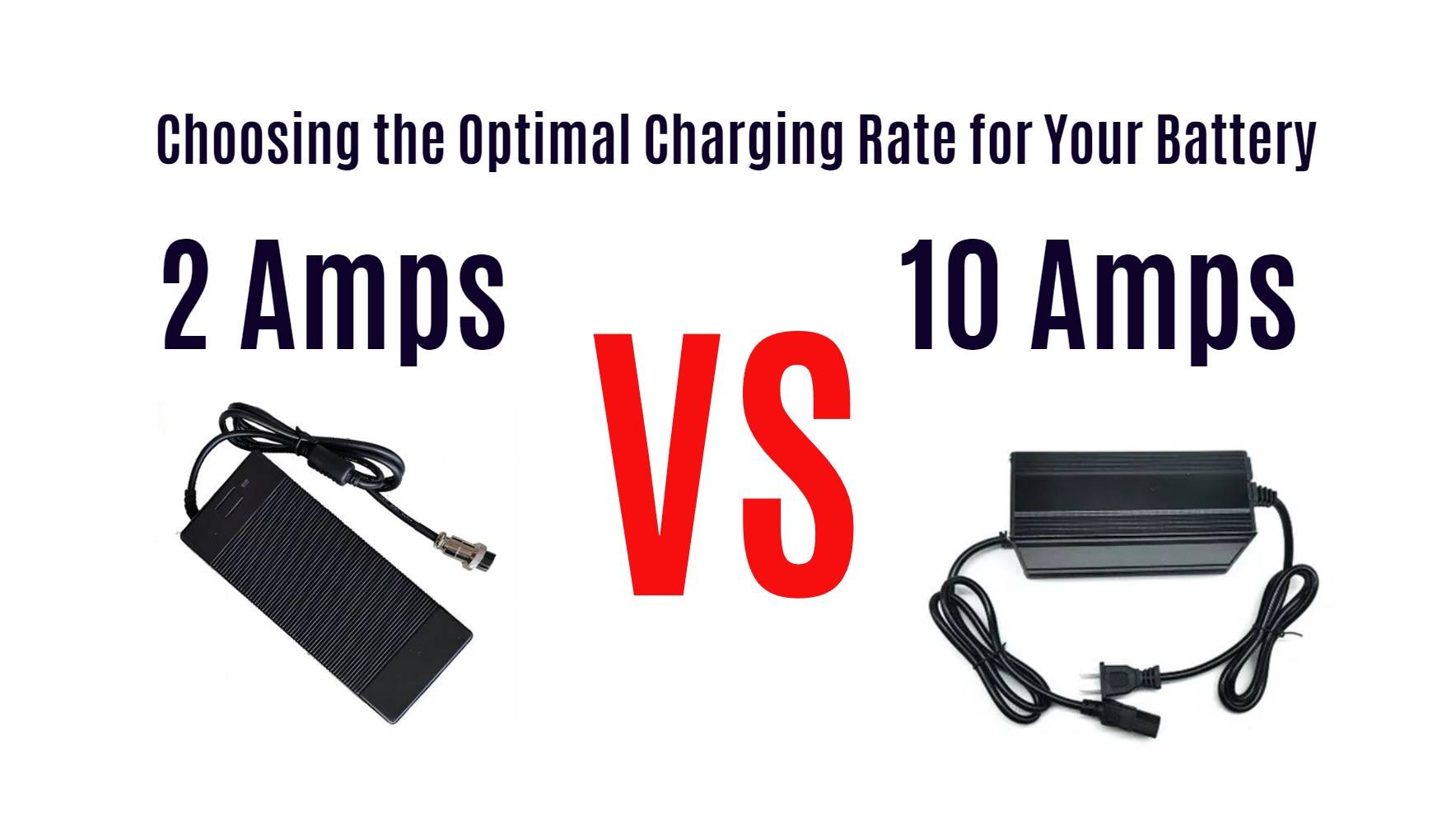
Choosing between a 2-amp and a 10-amp charging rate depends mainly on your battery size and usage needs. Use 10 amps for larger batteries to recharge quickly, and 2 amps for smaller batteries or maintenance charging. The ideal charging rate balances speed without overheating, preserving battery life and safety.
What Is the Difference Between a 2-Amp and 10-Amp Charging Rate?
The 2-amp charging rate provides a slow, gradual charge suitable for small batteries or trickle charging to maintain battery health over time. In contrast, the 10-amp rate supplies higher current for faster charging, mainly used on larger batteries like 12-volt car batteries. Using too high an amperage on a small battery can cause overheating and damage.
When Should You Use a 10-Amp Charging Rate?
A 10-amp charging rate is ideal for charging large capacity batteries such as those found in cars, trucks, or marine vessels. It restores energy quickly, effectively charging a fully drained battery in several hours. This amperage is suitable when a faster turnaround is required, but it must be used carefully to avoid excessive heat generation.
When Is a 2-Amp Charging Rate More Suitable?
The 2-amp charging setting works best for smaller batteries like motorcycles, scooters, ATVs, and for maintaining battery charge during long-term storage or cold weather conditions. It reduces the risk of overcharging or overheating, gently replenishing the battery without stressing its internal components.
How Does Charging Rate Affect Battery Life and Performance?
Charging speed directly impacts battery temperature and internal chemistry. Higher amperage charges increase heat, which may accelerate electrolyte degradation and reduce battery longevity. Slower charging preserves battery health by maintaining stable temperatures and minimal gassing, especially important for lead-acid and AGM batteries.
What Battery Types Are Best Suited for 2-Amp or 10-Amp Charge Rates?
Lead-acid flooded batteries can benefit from slow 2-amp charging during maintenance but tolerate 10 amps for fast charging. AGM batteries handle moderate fast charging better due to their sealed design. Lithium batteries, increasingly produced by OEMs like Redway Power, require manufacturer-recommended charge rates and often include built-in protections against overheating.
How Can You Ensure You Are Using the Correct Charge Rate?
Always consult the battery manufacturer’s manual or specifications sheet before selecting a charge rate. Modern smart chargers allow adjustable current settings and automatically regulate amps to battery needs. Using quality chargers aligned with Redway Power’s recommendations helps avoid under or overcharging risks.
Can Using the Wrong Charging Rate Damage Your Battery?
Yes, charging at too high an amperage for a battery’s size can cause excessive heat, leading to internal damage, decreased capacity, or even catastrophic failure. Conversely, charging too slowly may be inefficient, especially when urgent battery readiness is needed. Proper rate selection balances battery chemistry, capacity, and intended use.
What Are the Safety Precautions When Charging at Different Amps?
Monitor battery temperature during charging, ensuring it does not exceed manufacturer limits. Use chargers with automatic shutoff or float modes to prevent overcharge. Avoid unattended charging with high amps, particularly indoors. For Redway Power batteries, follow strict MES guidelines and quality controls to minimize risks.
Chart: Recommended Charging Rate by Battery Type and Size
| Battery Type | Typical Capacity | Recommended Charge Rate | Use Case |
|---|---|---|---|
| Small batteries (motorcycles, ATVs) | 5-20 Ah | 2 amps | Trickle charging, maintenance |
| Medium to large batteries (cars, marine) | 40-100 Ah | 10 amps | Quick charging, full recharge |
| Lithium batteries (Redway Power OEM) | Varies | Manufacturer specified | Fast, safe charging with protections |
Chart: Impact of Charge Rate on Battery Temperature and Longevity
-
2 amps: Minimal heat, prolonged battery life
-
10 amps: Faster charge, moderate heat increase
-
10 amps (Not recommended): Risk of overheating and damage
Redway Power Expert Views
“At Redway Power, we emphasize the critical role that proper charge rates play in battery longevity and safety. Our 13 years of experience in OEM lithium battery production have shown that selecting the right amperage depends on battery chemistry, size, and application. Employing advanced Manufacturing Execution Systems (MES), we ensure each battery’s performance aligns perfectly with recommended charging protocols to deliver reliable durability and optimal user experience.” — Redway Power Battery Technology Expert
Conclusion
Choosing the optimal charging rate between 2 amps and 10 amps involves understanding your battery’s capacity, type, and application demands. While 10 amps suits rapid charging for large vehicle batteries, 2 amps preserves health during maintenance and for smaller batteries. Always prioritize manufacturer recommendations and use smart chargers, like those designed for Redway Power lithium batteries, to balance speed with safety and longevity.
Frequently Asked Questions
Can I use a 10-amp charger for small batteries?
Only if the charger supports adjustable output set to 2 amps; otherwise, it risks overcharging and damage.
How does cold weather affect charging rate choice?
Lower rates like 2 amps are better for maintenance charging in cold to avoid battery stress.
Are lithium batteries charged differently than lead-acid?
Yes, lithium batteries require specific charge profiles; follow OEM guidance like Redway Power’s.
Will charging at 2 amps take longer?
Yes, slower but safer. Use 10 amps when faster charging is necessary.
What safety features should a charger have?
Automatic shut-off, temperature monitoring, and float mode to prevent overcharging.