

Blog
How to Find the Right Telecom Battery Manufacturer for Your Needs

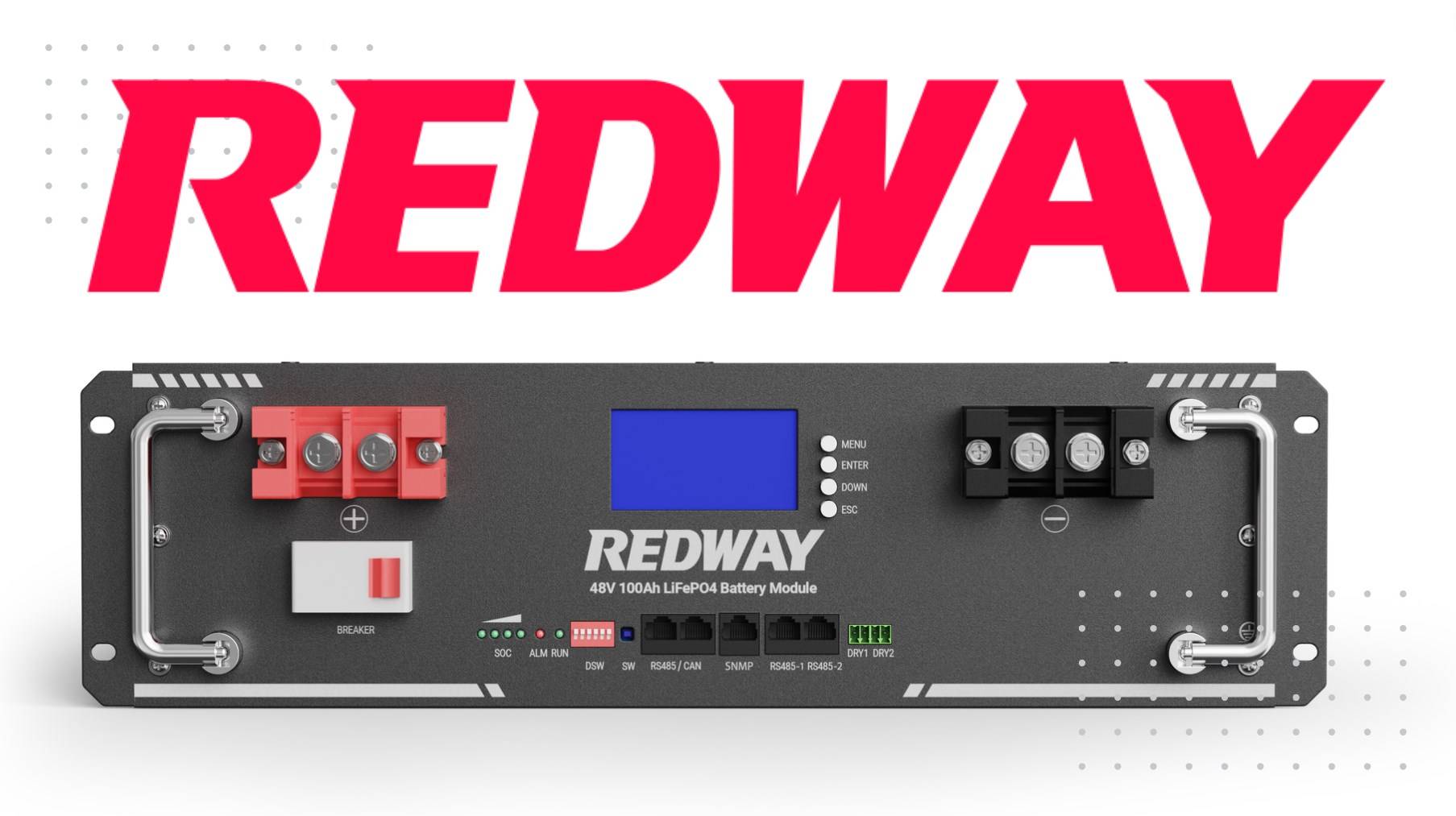
Finding the right telecom battery manufacturer is crucial for ensuring reliable power supply and optimal performance in telecommunications systems. Key considerations include battery chemistry, lifespan, maintenance requirements, and manufacturer reputation, all of which contribute to informed decision-making and long-term operational efficiency.
What Factors Should Be Considered When Choosing a Telecom Battery?
When selecting a telecom battery, several factors must be evaluated to ensure compatibility with operational needs. Lifespan and cycle capacity are paramount; batteries should provide reliable performance throughout their expected life span, typically ranging from 4 to 8 years depending on usage conditions. Additionally, maintenance requirements play a significant role; low-maintenance options like VRLA batteries are often preferred due to their resilience in challenging environments.Factors to Consider for Telecom Batteries
| Factor | Description |
|---|---|
| Lifespan | Expected operational life before replacement |
| Cycle Capacity | Number of charge/discharge cycles before degradation |
| Maintenance Requirements | Frequency and complexity of upkeep needed |
How Important is Battery Chemistry in Telecom Applications?
Battery chemistry significantly influences performance characteristics such as energy density, discharge rates, and overall lifespan. Common chemistries used in telecom applications include lead-acid, lithium-ion, and nickel-cadmium (NiCad). Each type has unique advantages; for example, lithium-ion batteries offer high energy density and longevity, making them ideal for modern telecom infrastructure.Importance of Battery Chemistry
| Chemistry | Advantages |
|---|---|
| Lead-Acid | Cost-effective; widely available |
| Lithium-Ion | High energy density; long cycle life |
| Nickel-Cadmium (NiCad) | Suitable for high discharge rates |
What Role Does Manufacturer Reputation Play in Selection?
The reputation of a battery manufacturer is crucial when selecting a supplier. Established manufacturers with extensive experience often provide higher quality products backed by positive customer reviews. Additionally, certifications such as ISO standards and compliance with safety regulations ensure that the batteries meet industry benchmarks for performance and safety.Manufacturer Reputation Indicators
| Indicator | Importance |
|---|---|
| Experience | Longer history often correlates with reliability |
| Customer Reviews | Direct feedback from users about product performance |
| Certifications | Assurance of quality through recognized standards |
How Do Cost Considerations Influence Battery Selection?
Cost is a significant factor when choosing telecom batteries; however, it should not be the sole consideration. While initial purchase price is important, understanding the total cost of ownership—including maintenance, replacement frequency, and energy efficiency—provides a clearer picture of long-term financial implications.Cost Considerations
| Cost Aspect | Description |
|---|---|
| Initial Purchase Price | Upfront cost of acquiring batteries |
| Maintenance Costs | Ongoing expenses related to upkeep |
| Replacement Frequency | Impact on budget from needing to replace batteries |
What Are the Benefits of Custom Battery Solutions?
Custom battery solutions offer tailored options that meet specific power requirements unique to different telecom applications. By working closely with manufacturers to develop customized solutions, companies can enhance performance in challenging environments while ensuring compatibility with existing systems.Benefits of Custom Solutions
| Benefit | Description |
|---|---|
| Tailored Performance | Optimized design for specific applications |
| Enhanced Compatibility | Ensures seamless integration with existing systems |
What Are the Latest Innovations in Telecom Battery Technology?
Recent innovations in telecom battery technology focus on enhancing efficiency and sustainability. Developments include advanced monitoring systems that provide real-time data on battery health, as well as improvements in battery chemistry that increase energy density while reducing environmental impact.Innovations in Telecom Batteries
| Innovation | Description |
|---|---|
| Advanced Monitoring | Real-time health tracking for proactive maintenance |
| Improved Chemistry | Enhanced energy density with reduced environmental impact |
How Can You Assess the Production Capacity of a Battery Manufacturer?
Assessing a manufacturer’s production capacity involves evaluating their facility size, technology used, and historical output data. Understanding these factors ensures that they can meet your demand without delays or compromises on quality.Assessing Production Capacity
| Assessment Criteria | Importance |
|---|---|
| Facility Size | Indicates potential output capabilities |
| Technology Used | Affects production efficiency and quality |
| Historical Output Data | Provides insight into reliability and scalability |
What Are Common Pitfalls to Avoid When Selecting a Telecom Battery Manufacturer?
When selecting a telecom battery manufacturer, common pitfalls include failing to verify certifications or overlooking customer feedback. Additionally, not considering long-term costs associated with maintenance and replacements can lead to poor investment decisions.Common Pitfalls
| Pitfall | Consequence |
|---|---|
| Ignoring Certifications | Risk of non-compliance with safety standards |
| Overlooking Customer Feedback | Potential issues with product reliability |
| Focusing Solely on Price | May lead to higher long-term costs due to quality issues |
Expert Views:
“Choosing the right telecom battery manufacturer is not merely about price; it encompasses understanding long-term value,” states an industry expert. “A comprehensive evaluation of factors such as chemistry, maintenance needs, and manufacturer reputation will yield better outcomes.”
FAQ Section
- What should I consider when choosing a telecom battery manufacturer?
Consider factors like lifespan, maintenance requirements, battery chemistry, manufacturer reputation, and cost implications when selecting a telecom battery manufacturer. - Why is battery chemistry important in telecom applications?
Battery chemistry affects performance characteristics such as energy density and lifespan; selecting the appropriate type ensures optimal functionality for telecom systems. - How can I assess a manufacturer’s production capacity?
Evaluate facility size, technology used in production processes, and historical output data to determine whether they can meet your demands effectively.