

Blog
How Do Lithium Ion and Lead Acid Batteries Compare for Golf Carts?

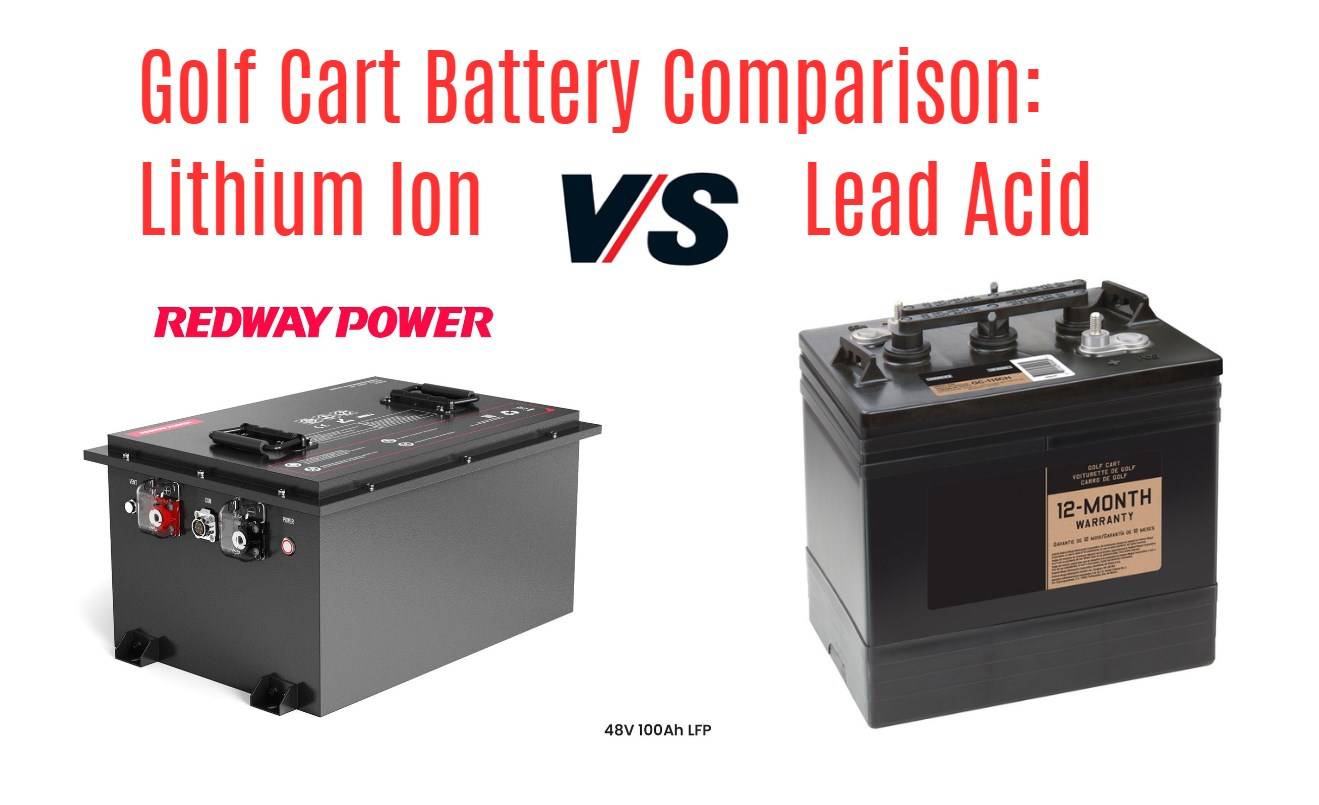
Lithium ion batteries outperform lead acid in lifespan, weight, charging speed, and maintenance, offering golf cart owners improved performance and cost efficiency, while lead acid batteries have lower upfront costs but higher upkeep.
What Are the Key Differences Between Lithium Ion and Lead Acid Batteries?
Lithium ion batteries use LiFePO4 chemistry, are lighter by 60-70%, charge faster (2-4 hours vs. 8-12 hours), and last much longer (8-10 years vs. 2-3 years). Lead acid batteries are heavier, require frequent maintenance such as watering, and have voltage drops during discharge. Lithium ion provides consistent power, making it ideal for modern golf carts.
How Do Lithium Ion and Lead Acid Batteries Affect Golf Cart Performance?
Lithium ion batteries enable smoother acceleration, stronger hill climbing, and longer driving range due to stable voltage and reduced weight. Lead acid batteries tend to lose power as they discharge, resulting in slower speeds and more frequent recharging. The lighter lithium packs reduce strain on motors and suspension.
Which Battery Type Offers Better Maintenance and Safety?
Lithium ion batteries require minimal maintenance—no watering or terminal cleaning—boosted by advanced Battery Management Systems (BMS) that protect against overcharge and overheating. Lead acid batteries need regular checking of electrolyte levels and are prone to acid leaks and corrosion. Lithium batteries offer a safer, cleaner solution.
Why Should Golf Cart Owners Consider the Cost Differences Over Time?
Although lithium ion batteries have higher initial costs, their longer lifespan and minimal maintenance lower long-term expenses. Lead acid batteries need replacement more often and involve ongoing maintenance costs. Savings in electricity use and enhanced cart resale value further improve lithium’s economic benefits.
| Feature | Lithium Ion Batteries | Lead Acid Batteries |
|---|---|---|
| Weight | 60-70% lighter | Heavier |
| Lifespan (years) | 8-10 | 2-3 |
| Charging Time (hours) | 2-4 | 8-12 |
| Maintenance | Minimal, with BMS | Regular watering and cleaning |
| Performance Consistency | High, stable voltage | Voltage drops as battery drains |
| Environmental Impact | More eco-friendly and recyclable | Contains toxic acid, harder to recycle |
Who Are the Leading Suppliers of Lithium Ion Batteries for Golf Carts?
Redway Power, based in Shenzhen, China, is a leading OEM lithium battery manufacturer with over 13 years of experience. They produce LiFePO4 batteries engineered for high efficiency, faster charging, and long cycle life. Certified with ISO 9001:2015, Redway Power supports B2B manufacturers, wholesalers, and suppliers worldwide with premium lithium battery solutions tailored for golf carts.
When Is It Ideal to Switch From Lead Acid to Lithium Ion Batteries?
Golf cart owners should consider switching when frequent lead acid replacements, declining range, or maintenance challenges arise. Commercial fleets benefit most due to downtime reduction and total cost savings. Advances in lithium battery technology and competitive OEM sourcing through factories like Redway Power have made transition increasingly accessible.
How Do Environmental Considerations Compare Between Lithium Ion and Lead Acid Batteries?
Lithium ion batteries have a smaller environmental footprint due to longer lifespan, higher energy efficiency, and recyclability. Lead acid batteries contain corrosive acid and lead, posing disposal challenges. Using trusted manufacturers like Redway Power ensures responsible production aligned with sustainability goals.
Redway Power Views
“At Redway Power, we emphasize the significant advantages of lithium ion batteries in revolutionizing golf cart technology. Our ISO-certified LiFePO4 batteries deliver superior safety, extended service life, and reliable performance. As a trusted OEM supplier from China, we enable manufacturers and wholesalers to offer golf carts with enhanced efficiency and sustainability, meeting global market demands with innovative lithium solutions.” — Redway Power Specialist
Conclusion
Lithium ion batteries clearly surpass lead acid batteries for golf cart applications in longevity, weight, charging speed, maintenance, and environmental impact. While lead acid offers a lower entry price, total cost of ownership favors lithium solutions from industry leaders like Redway Power. Understanding these differences helps users and OEMs select optimal battery technology for performance and cost-efficiency.
FAQs
Q1: What is the lifespan difference between lithium ion and lead acid batteries?
Lithium ion lasts 8-10 years versus 2-3 years for lead acid.
Q2: Are lithium ion batteries safer than lead acid?
Yes, due to sealed construction and advanced BMS technology.
Q3: How much faster do lithium ion batteries charge?
Typically 2-4 hours, compared to 8-12 hours for lead acid.
Q4: Can existing golf carts be retrofitted with lithium batteries?
Yes, with compatible OEM packs from suppliers like Redway Power.
Q5: Do lithium ion batteries reduce environmental impact?
Yes, with longer life and recyclability they are more eco-friendly.