

Blog
How Do Electric Forklifts Comply with Safety Regulations?

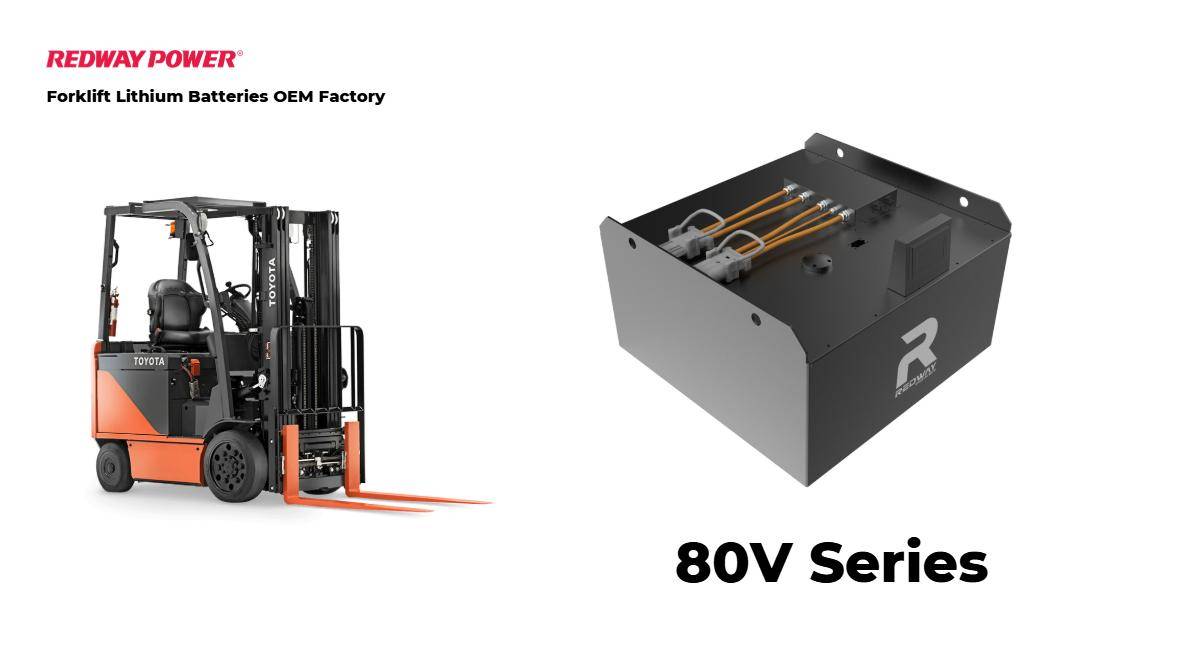
Electric forklifts must comply with various safety regulations to ensure safe operations in workplaces. These regulations include training requirements, safety features, maintenance protocols, and environmental standards. Understanding these rules helps businesses mitigate risks and enhance operational efficiency.
What Are the Key Compliance Regulations for Electric Forklifts?
Electric forklifts must adhere to several key compliance regulations set by agencies like OSHA, EPA, and local authorities. These regulations encompass operator training, equipment safety features, regular inspections, and maintenance protocols. Compliance ensures safe operation and reduces workplace accidents.
Chart: Key Compliance Regulations Overview
| Regulation | Description | Agency |
|---|---|---|
| OSHA Standards | Safety training and equipment requirements | OSHA |
| EPA Emission Standards | Environmental impact regulations | EPA |
| Local Codes | Specific state or municipal laws | Local Authorities |
How Does OSHA Regulate Electric Forklifts?
OSHA’s Powered Industrial Truck Standard outlines specific safety requirements for electric forklifts. Employers must ensure that operators are trained and certified before using any forklift. Additionally, forklifts must be equipped with essential safety features such as horns, lights, and seat belts.
Chart: OSHA Requirements for Electric Forklifts
| Requirement | Description |
|---|---|
| Operator Training | Mandatory training and certification |
| Safety Features | Must include lights, horns, etc. |
| Regular Inspections | Scheduled checks for safety compliance |
What Are the Safety Requirements for Electric Forklift Batteries?
Electric forklifts primarily use lead-acid or lithium-ion batteries, each requiring specific safety protocols. Proper handling, charging practices, and storage are essential to prevent accidents or malfunctions. Regular inspections of battery systems are also mandated to ensure operational safety.
Chart: Battery Types and Safety Protocols
| Battery Type | Advantages | Safety Protocols |
|---|---|---|
| Lead-Acid | Cost-effective | Regular checks, proper ventilation |
| Lithium-Ion | Longer lifespan | Avoid overheating, proper charging |
Why Is Operator Training Essential for Compliance?
Operator training is crucial as it equips employees with the necessary skills to operate electric forklifts safely. Training programs cover operational procedures, safety measures, and emergency protocols. Non-compliance can lead to severe penalties and increased accident risks.
Chart: Benefits of Operator Training
| Benefit | Description |
|---|---|
| Enhanced Safety | Reduces accidents |
| Legal Compliance | Meets regulatory requirements |
| Increased Efficiency | Improves operational productivity |
What Are the Environmental Regulations Affecting Electric Forklifts?
Environmental regulations govern emissions from electric forklifts to promote cleaner operations. The EPA sets standards that vary based on forklift type and size. Companies must comply with these standards to minimize their environmental footprint.
Chart: EPA Emission Standards Overview
| Standard Type | Description |
|---|---|
| Zero Emission Standards | Mandates transition to cleaner technologies |
| Reporting Requirements | Regular submissions on emissions data |
How Do Local Regulations Affect Electric Forklift Compliance?
Local regulations can impose additional requirements beyond federal standards. Businesses must stay informed about state-specific laws regarding forklift operation, emissions, and safety protocols to ensure full compliance.
What Are the Consequences of Non-Compliance with Forklift Regulations?
Non-compliance can lead to significant penalties including fines, legal action, and increased liability in case of accidents. Furthermore, it can damage a company’s reputation and result in higher insurance premiums.
How Can Businesses Ensure Continuous Compliance with Changing Regulations?
To maintain compliance amidst evolving regulations, businesses should implement regular training updates for operators, conduct frequent equipment inspections, and stay informed about changes in local laws. Utilizing compliance management software can also streamline this process.
Expert Views
“Understanding electric forklift regulations is not just about compliance; it’s about fostering a culture of safety that protects workers while enhancing productivity,” says an expert from Redway.
Conclusion
Electric forklifts play a vital role in modern industrial operations but come with a host of regulatory responsibilities. By adhering to established compliance guidelines from OSHA, EPA, and local authorities—alongside ensuring proper operator training—businesses can create safer work environments while minimizing legal risks.
FAQs
- What are the main regulations governing electric forklifts?
The main regulations include OSHA’s Powered Industrial Truck Standard, EPA emissions standards, and local laws that may impose additional requirements. - Why is operator training important?
Operator training is essential for ensuring safe operation of electric forklifts, reducing accident risks, and maintaining compliance with legal standards. - How can businesses stay compliant with changing regulations?
Businesses can stay compliant by regularly updating training programs, conducting equipment inspections, and utilizing compliance management tools.