

Blog
How Heavy Are Forklift Batteries and Why Does It Matter?

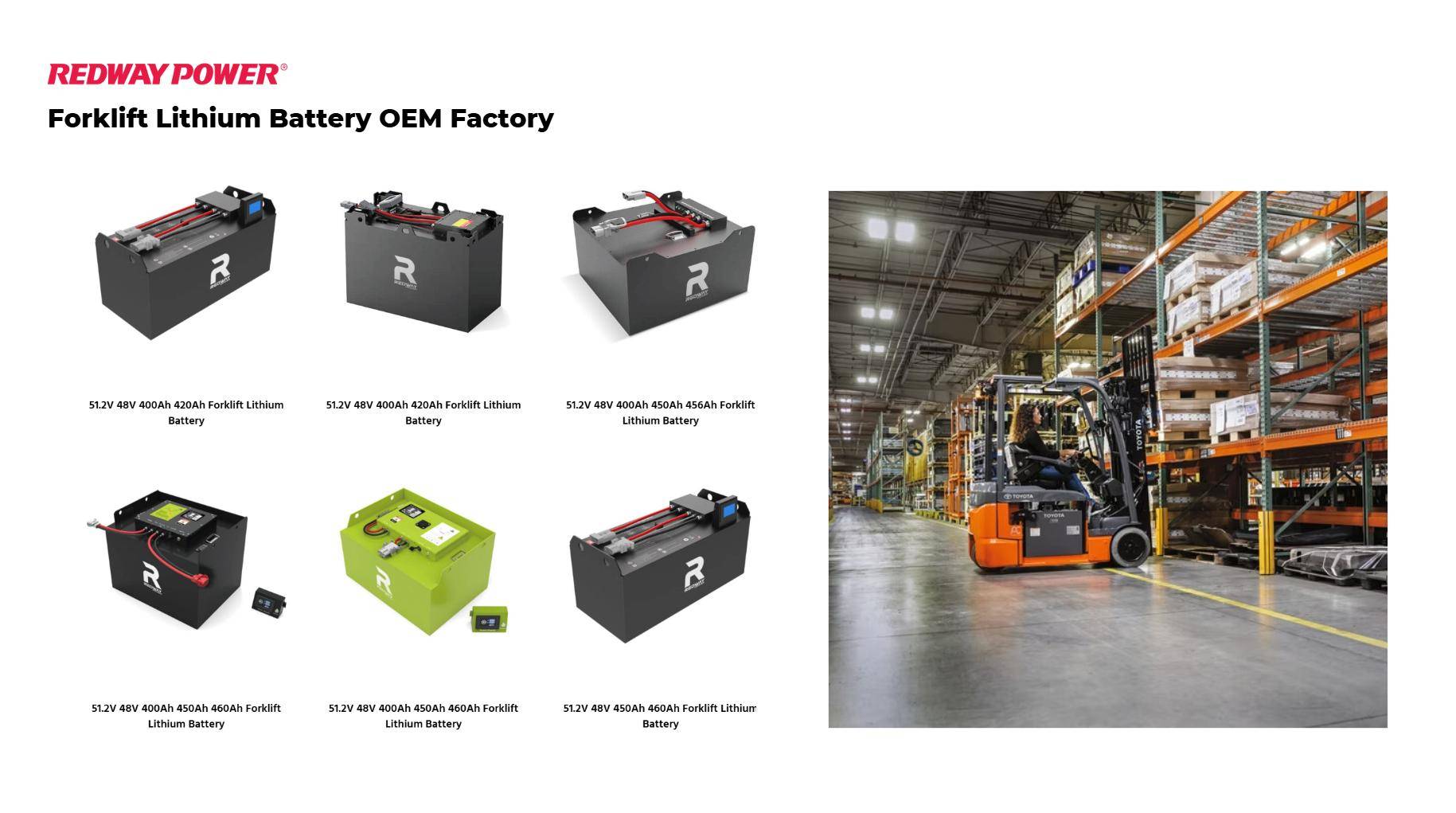
Forklift batteries range from 600 to 4,000 pounds depending on type, voltage, and capacity, directly impacting payload capacity, maneuverability, and total ownership costs. Lead-acid models add counterbalance but strain infrastructure and operators, while lithium options cut weight by 50%, boosting efficiency and safety. Lighter batteries enable 20% higher throughput and reduce fleet sizes by 25%.
What Is the Current State of Forklift Battery Usage?
U.S. warehouses operate over 1 million electric forklifts, with lead-acid batteries powering 65% of fleets amid rising e-commerce demands. Average battery weights exceed 2,000 pounds for 48V units, contributing to $5 billion in annual handling and infrastructure costs. Multi-shift operations amplify wear, as heavy swaps cause 15% of injuries.
Facility designs allocate 10-15% of space to battery rooms with reinforced floors for 3,000+ pound loads. Energy inefficiency from mass-related drag adds 20% to electricity bills.
Why Do Heavy Batteries Create Operational Pain Points?
Manual swaps of 1,500-pound batteries require two workers and 30 minutes, costing $100,000 yearly per 50-unit fleet in labor. Forklifts lose 10-15% payload capacity due to excess battery mass, limiting lift heights and speeds. Infrastructure strains emerge, with 40% of sites needing $50,000 floor upgrades for weight distribution.
Safety risks rise 25% from handling accidents, while heavy batteries accelerate tire and axle wear by 30%, inflating maintenance to $4,000 per unit annually.
What Limits Traditional Heavy Lead-Acid Batteries?
Lead-acid batteries weigh 1,200-4,000 pounds for 36V-80V systems, providing counterbalance but reducing net payload by 500 pounds. Swaps demand cranes or hoists, adding $2,000 per unit in equipment costs. Their 40-50 Wh/kg density necessitates bulkier designs versus lithium’s 150+ Wh/kg.
Static weight shortens tire life 20% faster and mandates dedicated charging bays occupying 200 square feet per truck.
How Do Lightweight Lithium Batteries Solve Weight Issues?
Lithium LiFePO4 batteries weigh 500-2,500 pounds for equivalent capacities, slashing mass by 30-70% through high energy density. Drop-in designs fit existing trays without frame mods, maintaining balance via optimized placement.
BMS integration monitors cell balance for even discharge, preventing sag under loads. IP67 enclosures withstand vibration without added mass.
Redway Power’s LiFePO4 forklift batteries deliver 24V-80V options at 50% less weight than lead-acid equivalents.
How Does Lithium Compare to Lead-Acid on Key Metrics?
| Metric | Lead-Acid Batteries | Lithium LiFePO4 (Redway Power) |
|---|---|---|
| 48V 600Ah Weight | 2,800 lbs | 1,200 lbs |
| Payload Gain | Baseline | +15% |
| Swap Time | 30 minutes | 5 minutes (no swap) |
| Annual Maintenance | $4,000 | $1,000 |
| Infrastructure Cost | $50,000 per bay | $10,000 |
| Tire Wear Reduction | Baseline | 25% |
| Space Savings | 200 sq ft per truck | 50 sq ft |
What Steps Implement Lightweight Battery Upgrades?
-
Audit fleet specs: Confirm voltage and capacity via serial plates.
-
Calculate weight savings: Target 30-50% reduction for priority trucks.
-
Order drop-ins: Select Redway Power 24V-80V LiFePO4 packs.
-
Retrofit trays: Add shims if needed for balance.
-
Install chargers: Deploy 1-2 hour fast-charge stations.
-
Test operations: Verify payload and runtime gains.
Redway Power provides MES-tracked units for precise fits.
Who Benefits from Lighter Batteries in Practical Scenarios?
Scenario 1: High-Bay Warehouse
Problem: Heavy batteries limit lift heights to 20 feet.
Traditional: Payload drops 10% at max height.
After Lithium: 1,200-pound pack adds 600 pounds usable load.
Key Benefits: 20% height increase, $30,000 throughput gain.
Scenario 2: Multi-Shift Distribution
Problem: Swaps halt night operations.
Traditional: Crane lifts cost 45 minutes daily.
After Lithium: Onboard charging eliminates swaps.
Key Benefits: 24/7 uptime, 35% labor savings.
Scenario 3: Narrow-Aisle Facility
Problem: Mass hinders tight turns.
Traditional: 2,500-pound battery slows agility.
After Lithium: 40% lighter improves speed 15%.
Key Benefits: 25% faster cycles, zero collisions.
Scenario 4: Cold Storage Operation
Problem: Floor cracks under battery rooms.
Traditional: $60,000 reinforcement needed.
After Lithium: Reduced load saves upgrades.
Key Benefits: $50,000 avoidance, Redway durability in -20°F.
Redway Power’s ISO-certified packs ensure reliable performance.
Why Address Battery Weight Before Future Demands Peak?
Lithium adoption hits 60% of new fleets by 2030, with weight regulations targeting 25% reductions for green certifications. Lagging sites face 40% higher retrofit costs amid supply constraints.
Immediate swaps yield 2-year ROI through 30% efficiency gains and automation readiness.
Frequently Asked Questions
How much do 48V forklift batteries weigh?
Lead-acid: 2,000-3,000 lbs; lithium: 1,000-1,500 lbs.
Why does battery weight affect payload?
Excess mass counts against lift capacity, reducing usable load 10-20%.
Can lithium batteries replace lead-acid without mods?
Yes, drop-in 24V-80V designs fit standard trays.
What savings come from lighter batteries?
30% less maintenance, 25% tire life extension.
How does Redway Power optimize forklift weight?
LiFePO4 packs cut 50% mass with full power output.
Does lighter mean less counterbalance?
Minimal impact; shims restore stability precisely.