

Blog
How Long Will a 48V 20Ah Battery Last? Comprehensive Guide and Insights

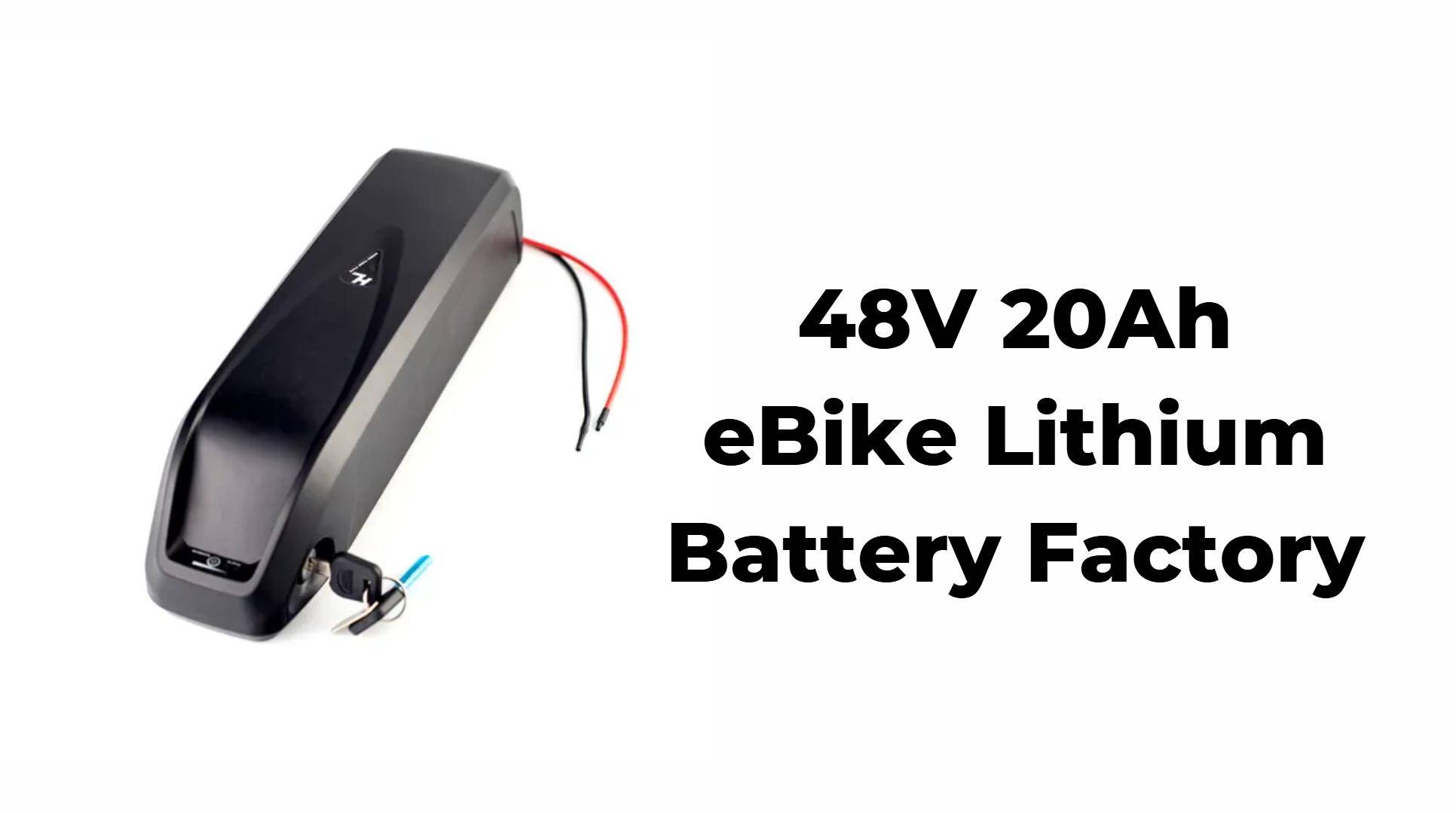
When it comes to choosing a battery for your electric bike or other high-demand applications, understanding the lifespan and performance of different battery types is crucial. One common query that arises is, “How long will a 48V 20Ah battery last?” This question encompasses various aspects, from battery life expectancy to comparing different battery technologies. In this comprehensive guide, we delve into the specifics of a 48V 20Ah battery, its efficiency, and how it stacks up against other options.
Understanding Battery Capacity and Lifespan
Battery Capacity Explained
The capacity of a battery, measured in amp-hours (Ah), indicates how much charge it can store and deliver. For instance, a 48V 20Ah battery has a capacity of 960 watt-hours (Wh) — calculated by multiplying the voltage (48V) by the amp-hour rating (20Ah). This capacity directly impacts how long the battery can power your device before requiring a recharge.
Estimating Battery Duration
The duration a 48V 20Ah battery lasts depends significantly on the power consumption of the device it’s powering. For example, if an electric bike motor consumes 500 watts, the battery will last approximately 1.9 hours (960 Wh divided by 500 W). This is a rough estimate and can vary based on actual usage, terrain, and riding style.
Comparing 48V 20Ah Batteries to Other Battery Sizes
Is a Higher Ah Battery Better?
Amp-hour (Ah) ratings are crucial for determining battery longevity. A battery with a higher Ah rating can store more energy, which translates to a longer run time. For instance, if you compare a 48V 20Ah battery to a 48V 10Ah battery, the 20Ah battery will offer twice the duration before needing a recharge. This makes a higher Ah battery preferable for extended use, especially for activities such as long-distance biking.
Battery Range for Electric Bikes
When discussing electric bikes, battery range is a key consideration. For a 48V 20Ah battery, the range can be substantial. On average, a 48V 20Ah battery can provide a range of 50 to 60 miles, depending on factors such as terrain, rider weight, and motor efficiency. This range is generally higher than that provided by a 36V 20Ah battery, which typically offers around 40 to 50 miles.
Battery Type Comparisons
Lithium-Ion vs. Lead-Acid Batteries
Lithium-ion batteries and lead-acid batteries are the two most common types used in electric bikes and other high-power applications. Each has its pros and cons:
- Lithium-Ion Batteries: These are known for their longer lifespan and higher energy density. They last between 3 to 5 years with proper care and generally have a higher efficiency in energy storage and discharge.
- Lead-Acid Batteries: While cheaper upfront, lead-acid batteries typically have a shorter lifespan and lower energy density compared to lithium-ion batteries. They often last between 1 to 3 years and are heavier, which can impact the performance of your electric bike.
Impact of Battery Capacity on Performance
Higher capacity batteries, such as a 48V 20Ah, are beneficial for extended use. They provide a larger reserve of energy, reducing the frequency of recharges and enhancing the usability of electric bikes for long distances. Conversely, a smaller capacity battery will require more frequent charging and might limit the distance you can travel on a single charge.
Technical Considerations and Best Practices
Effects of High Amperage on Chargers
Using a charger with an excessively high amperage can lead to issues such as overheating and potential damage. The charger must be compatible with the battery’s specifications to ensure efficient and safe charging. Overcharging or using a charger not suited for the battery’s capacity can result in reduced battery life and safety hazards.
Battery Life Expectancy and Care
The life expectancy of a 48V battery, especially lithium-ion, is significantly influenced by proper maintenance. To extend the battery’s life:
- Avoid deep discharges: Recharging the battery before it’s fully depleted can help prolong its lifespan.
- Store properly: Keep the battery in a cool, dry place when not in use to avoid damage from temperature extremes.
- Regular maintenance: Periodically check the battery’s condition and ensure it’s functioning correctly.
52 Volt versus 48 Volt Lithium-Ion Ebike Battery
What Happens If Amps Are Too High?
If the battery or charger is subjected to high amperage, it can cause several issues:
- Overheating: Excessive current can lead to overheating, which might damage the battery or the charger.
- Reduced Lifespan: Overcharging or overloading can shorten the battery’s life significantly.
- Safety Risks: In severe cases, overheating can lead to fires or other safety hazards.
Will a Bigger Battery Hurt My Alternator?
In vehicles, a larger battery does not inherently damage the alternator but can affect its operation if not managed correctly. Increased current demand may lead to fluctuations that can strain the alternator and potentially damage connected electronics. However, proper system design and fuse protection mitigate these risks.
Juiced Electric Bikes and Battery Range
Juiced electric bikes, known for their robust performance, offer ranges that can vary widely based on battery size and usage. With a 48V battery, the typical range is between 40 to 100 miles, influenced by factors such as terrain, riding style, and battery capacity. A larger battery capacity generally translates to a higher range, making it an excellent choice for long-distance rides.
Conclusion
In summary, a 48V 20Ah battery offers a substantial capacity and extended duration for various applications, particularly for electric bikes. The battery’s performance, range, and lifespan are influenced by its amp-hour rating, type, and maintenance practices. Lithium-ion batteries, while more expensive, provide longer lifespans and better efficiency compared to lead-acid batteries. By understanding these factors, users can make informed decisions about battery selection and care, ensuring optimal performance and longevity.
How long does a 48V 20Ah battery last?
A 48V 20Ah battery typically delivers between 40 and 70 miles of range on an electric bike, with duration varying based on terrain, riding style, weight, and motor size. On mixed terrain and moderate pedal assist, expect 50–60 miles per full charge. Full throttle usage or hilly routes may reduce the range closer to 40 miles, while optimal conditions can extend it to 70 miles.
How long will a 20Ah battery last on an ebike?
A 20Ah battery on an e-bike will last 2–4 hours of riding, depending on the average power usage. If paired with a 500W motor and moderate pedal assist, you may cover 40–60 miles before recharging. Range drops with heavier loads, higher speeds, or steep climbs but improves with efficient riding and lighter weight.
What’s the range of a 48V 20Ah battery?
The range for a 48V 20Ah battery on an e-bike is usually 40–70 miles per charge. Expect 40 miles under demanding, throttle-only conditions and up to 70 miles with light pedal assist on flat terrain. Most standard commutes and recreational rides will see ranges in the 50–60 mile window.
What is the life expectancy of a 48V battery?
A typical 48V e-bike battery lasts 2–4 years or about 800 to 1500 charge cycles. Lifespan depends on charging habits, operating temperatures, and storage. Consistently partial charges and moderate use help maximize lifespan, but most batteries hold at least 80% of original capacity for several years.
How Long Will A 48V 20Ah Battery Last On An Ebike?
On a typical e-bike, a 48V 20Ah battery provides 50–60 miles of range or 3–4 hours of moderate riding. Aggressive throttle-only use shortens this, while gentle pedal assist and flat routes can push range higher. Charging frequency depends on daily mileage and terrain.
How Long Will A 48V 30Ah Battery Typically Last?
A 48V 30Ah battery offers 50% more capacity than 20Ah, translating to 60–90 miles of range under similar conditions, or 4–6 hours of continuous use on moderate power. It’s favored for longer commutes or touring, and especially helpful on high-power builds.
How Long Does It Take To Charge A 48V 20Ah Battery?
Charging a 48V 20Ah battery with a standard 3 amp charger takes about 6–7 hours from empty. Faster chargers can reduce time, but a typical full recharge overnight is safe for convenience and battery longevity.
How Long Will A 72V 20Ah Battery Last On Average?
A 72V 20Ah battery contains more energy (1,440 Wh) and can power higher-speed or higher-wattage e-bikes. On a comparable setup, expect about 60–80 miles of range at lower power or 30–50 miles when used with powerful motors and higher speeds.
What Is The Price Of A 48V 20Ah Battery?
A 48V 20Ah battery for e-bikes generally costs $300 to $800 USD, depending on cell quality, brand, and features such as built-in BMS, waterproofing, and warranty. Premium batteries with advanced cells or safety features are at the higher end.
What Are The Uses Of A 48V 20Ah Battery For Ebikes?
A 48V 20Ah battery is used in mid-to-high power e-bikes, delivering long commuting range, cargo hauling, steep hill performance, or extended touring. It suits city commuters, food delivery riders, and anyone who wants infrequent charging with reliable, sustained output.
How Long Will A 52V 20Ah Battery Last Before Recharging?
A 52V 20Ah battery yields a slightly higher range than 48V (about 15% more energy), giving 55–75 miles per charge in comparable conditions. Battery life may reach 4–5 hours of continuous use, depending on riding habits and terrain.
How Long Will A 48V 15Ah Battery Last Under Use?
A 48V 15Ah battery usually covers 30–50 miles on a standard e-bike, lasting about 2–3 hours or more with moderate pedal assistance. Heavier usage or hills will reduce range, while flat and efficient riding can extend the performance per charge.
