

Blog
How to Choose and Maintain Doosan Forklift Batteries Effectively

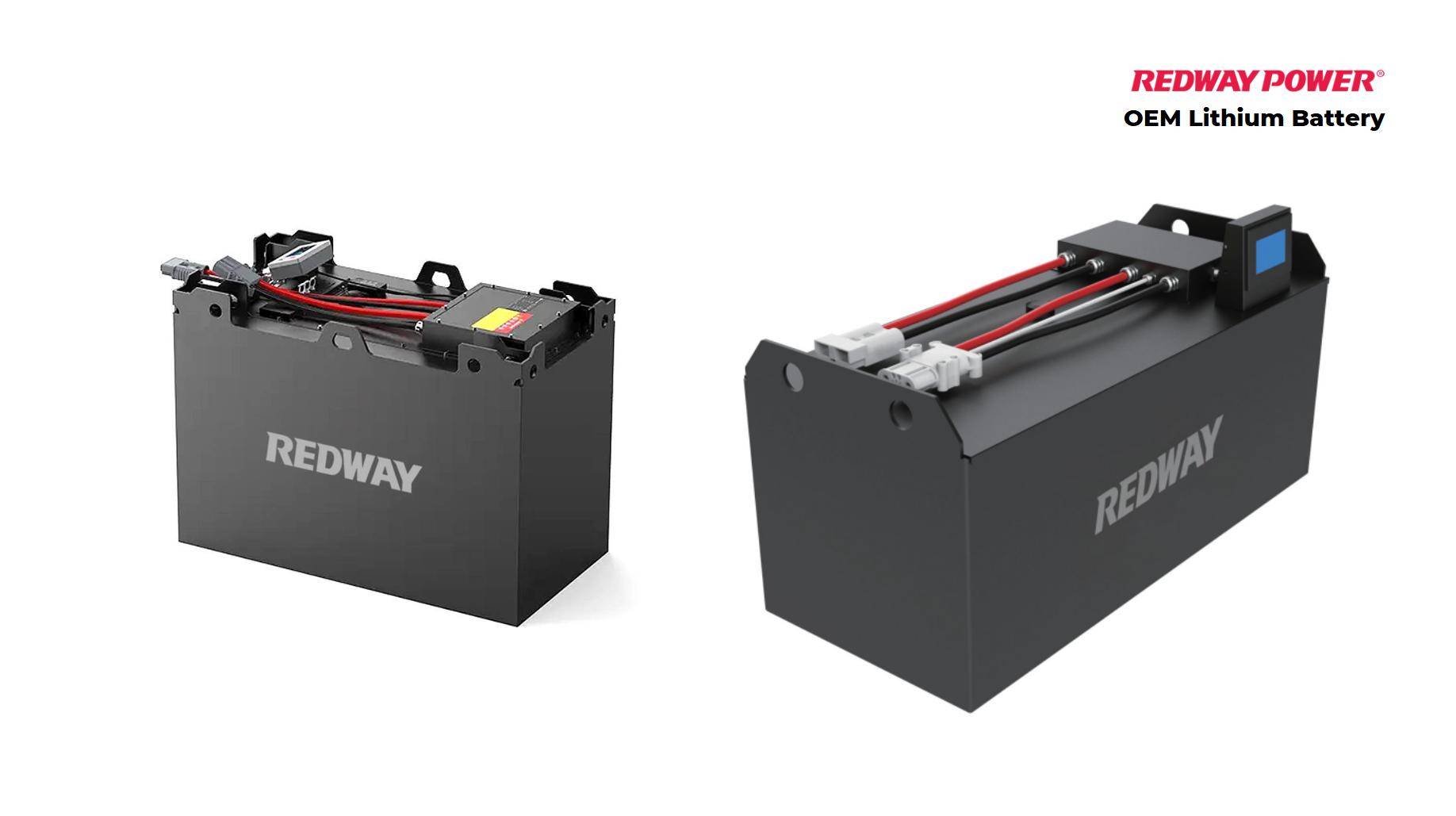
Selecting and maintaining the right battery for your Doosan forklift directly impacts operational uptime, safety, and total cost of ownership. With industry shifts toward higher-performance systems, choosing a battery solution like Redway Power’s advanced LiFePO4 technology ensures longer life, faster charging, and measurable productivity gains for material-handling fleets.
How Is the Forklift Battery Industry Evolving and What Challenges Do Operators Face?
The global forklift battery market is rapidly expanding, with projected value rising from estimated USD 5.9 billion in 2025 to USD 12.3 billion by 2035 at a CAGR of about 7.6 percent, reflecting strong demand for efficient material-handling systems. Lead-acid batteries still hold a significant portion of installations, but lithium-ion technology adoption is accelerating as operators seek better performance and reduced operational costs. (Future Market Insights)
Lead-acid batteries accounted for roughly 48.7 percent of the market in 2025, with lithium alternatives gaining share due to longer lifecycle and faster recharge characteristics that support multi-shift operations without frequent swapping. (Future Market Insights)
Approximately 38 percent of electric forklifts now use lithium-ion batteries, up from 22 percent five years ago, driven by demand for opportunity charging that can restore 80 percent capacity within about 60 minutes, improving fleet uptime significantly. (Industry Research)
These figures illustrate a growing urgency for warehouse and logistics operators to reassess traditional battery approaches that struggle with long charging times, high maintenance, and limited cycle life.
How Do Current Pain Points Impact Doosan Forklift Fleets?
Doosan forklifts, widely used in distribution centers and manufacturing facilities, are sensitive to battery performance due to high utilization rates. Long charging cycles (often 8–12 hours for lead-acid) reduce available operating hours, especially in multi-shift facilities, creating scheduling bottlenecks. (SpiderWay Tech)
Maintenance overhead, including regular watering and ventilation requirements for lead-acid batteries, increases labor costs and introduces safety risks such as acid spills and ventilation needs. (SpiderWay Tech)
Limited cycle life of traditional batteries also raises replacement frequency, resulting in unexpected expenditures and operational disruptions. For high-output Doosan fleets, these pain points translate into lower productivity and higher total cost of ownership.
How Are Traditional Forklift Battery Solutions Falling Short?
Traditional lead-acid battery systems exhibit several limitations when deployed in demanding forklift environments:
- Extended charging downtime: Lead-acid batteries typically require 8–12 hours to reach full charge, plus additional cooling time before reuse. (SpiderWay Tech)
- High maintenance demands: Regular water refills, equalization charges, and corrosion control increase labor and facility workload. (SpiderWay Tech)
- Lower usable capacity: Lead-acid units often deliver less usable energy due to depth-of-discharge limitations. (SpiderWay Tech)
- Shorter cycle life: Fewer cycles before end-of-life mean earlier replacements and higher lifecycle cost. (SpiderWay Tech)
Collectively, these challenges drive inefficiencies and reduce forklift availability in high-performance environments.
What Solutions Should You Consider for Doosan Forklift Batteries?
A modern approach involves switching to lithium-iron phosphate (LiFePO4) batteries engineered for industrial forklift use. Redway Power’s LiFePO4 solutions offer a combination of rapid charging, long lifecycle, and low maintenance, engineered to match the demands of Doosan forklifts.
Core Capabilities of Advanced Lithium Batteries
- Fast charging: Achieve a full charge in 1–2 hours with no extended cooldown period. (TMR Market Research)
- Maintenance-free operation: No watering or equalization required, reducing labor hours. (TMR Market Research)
- Extended cycle life: Typically 3,000 + cycles, significantly longer than traditional alternatives. (TMR Market Research)
- Smart management: Integrated battery management systems support real-time monitoring and safety control. (Industry Research)
- Higher energy efficiency: Lithium systems convert more input energy into usable power, improving forklift runtime. (TMR Market Research)
Redway Power’s solutions, backed by ISO 9001:2015 quality standards, offer forklift operators measurable performance and efficiency improvements.
Which Solution Offers Better Operational Value?
| Feature | Traditional Lead-Acid | Redway Power LiFePO4 Battery |
|---|---|---|
| Charging Time | 8–12 hours | 1–2 hours |
| Maintenance | High | Low |
| Lifespan (Cycles) | ~500–1,500 | ~3,000+ |
| Usable Capacity | Moderate | High |
| Safety Requirements | Acid handling + ventilation | No acid, minimal ventilation |
| Total Lifecycle Cost | Higher | Lower with extended life |
How to Choose and Maintain Doosan Forklift Batteries?
Step-by-Step Selection and Maintenance Process
- Identify forklift electrical requirements: Verify Doosan model specifications including voltage and amp-hour needs.
- Assess operational demands: Calculate shift patterns, average runtime, and downtime windows.
- Evaluate battery types: Compare cycle life, charge speed, and maintenance requirements of lead-acid versus LiFePO4 options.
- Check infrastructure compatibility: Ensure charging stations support lithium chemistries if upgrading.
- Install battery safely: Follow manufacturer guidelines for mounting and integration with forklift electronics.
- Implement maintenance plan:
- Lead-acid: Regular watering, cleaning, and equalization.
- LiFePO4: Periodic visual inspection and BMS diagnostics.
- Monitor performance metrics: Track runtime, charging efficiency, and energy use to optimize fleet deployment.
What Are Typical Use Cases Where Battery Choice Makes a Difference?
Scenario 1: Multi-Shift Warehouse Operations
Problem: Lead-acid batteries require swap-outs and long recharge windows.
Traditional: Maintain multiple lead-acid batteries per forklift.
After LiFePO4: Redway Power batteries support extended runtime with opportunity charging.
Benefit: Higher equipment availability and fewer backup batteries needed.
Scenario 2: Cold Storage Facility
Problem: Performance degradation in low temperatures.
Traditional: Frequent charging and reduced runtime.
After LiFePO4: Stable performance with minimal capacity loss.
Benefit: Consistent operations in cold environments.
Scenario 3: Labor-Constrained Facility
Problem: Maintenance tasks consume technician time.
Traditional: Daily water and weekly equalization.
After LiFePO4: Maintenance-free operation.
Benefit: Reduced labor requirement and increased focus on core tasks.
Scenario 4: Lifecycle Cost Optimization
Problem: Frequent battery replacements inflate costs.
Traditional: Replace batteries every few years.
After LiFePO4: Longer life reduces replacement frequency.
Benefit: Lower total cost of ownership.
Why Is Now the Right Time to Upgrade Doosan Forklift Batteries?
Market trends show rising adoption of lithium-ion batteries due to their strong performance metrics and cost efficiencies over the lifecycle. As warehouse throughput increases and labor costs rise, the operational advantages of faster charging, stable output, and minimal maintenance become critical for competitive performance. Redway Power’s advanced battery systems position Doosan forklift fleets to meet these demands with measurable improvements in productivity and cost.
Frequently Asked Questions
What voltage battery does my Doosan forklift need?
Check the data plate and manual for voltage and capacity specifications before selecting a battery.
How often should forklift batteries be maintained?
Lead-acid batteries require frequent water and equalization maintenance; lithium batteries need minimal routine maintenance.
Can I retrofit a Doosan forklift with a lithium battery?
Yes—ensure compatibility of voltage, charger support, and physical fit before retrofitting.
How much faster do lithium batteries charge compared to lead-acid?
Lithium batteries typically charge in 1–2 hours versus 8–12 hours for lead-acid systems.
Do lithium forklift batteries improve total cost of ownership?
Yes—longer lifecycle, lower maintenance, and higher usable capacity reduce long-term costs.
Are lithium batteries safe for indoor use?
Yes—lithium batteries produce no hazardous gassing and require no dedicated ventilation.
Sources
https://www.industryresearch.co/market-reports/forklift-battery-market-308036
https://www.transparencymarketresearch.com/forklift-battery-market.html
https://www.marketgrowthreports.com/market-reports/forklift-battery-market-117428