

Blog
How to Choose the Right 12V Forklift Battery for Your Needs

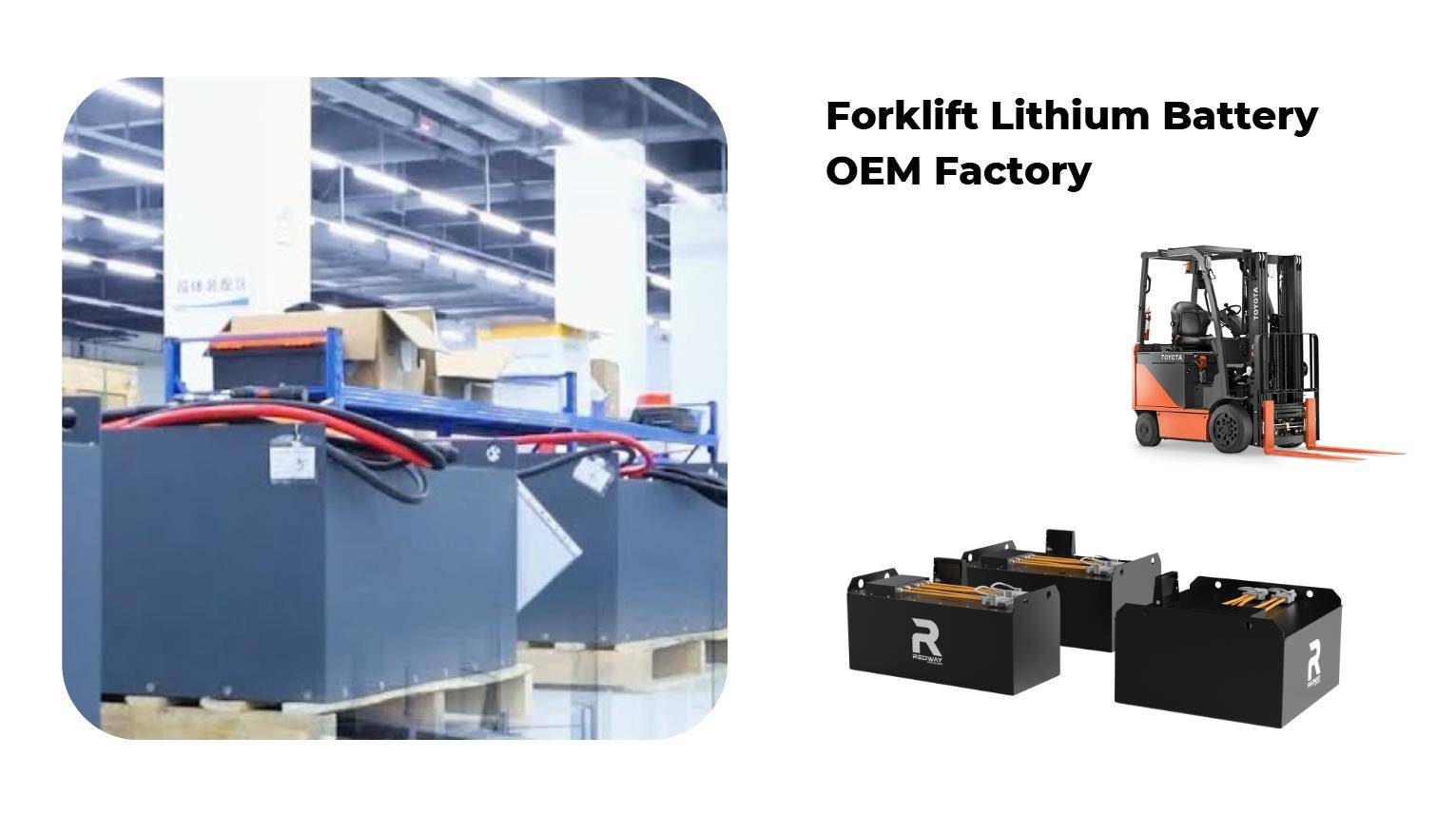
Selecting the right 12V forklift battery directly impacts uptime, operating cost, and workplace safety. As warehouses push for higher throughput and electrification, battery performance has become a strategic decision rather than a maintenance detail. A well-matched 12V lithium forklift battery improves energy efficiency, reduces downtime, and supports compliance in demanding material-handling environments.
What Is the Current Industry Status and Why Does It Create Urgency?
The global forklift market surpassed 2.3 million units shipped annually, with electric forklifts representing over 70% of new indoor equipment. Battery-related downtime accounts for an estimated 15–20% of lost operational hours in warehouses, according to industry safety and logistics reports. Rising labor costs and tighter delivery windows amplify the impact of every charging delay.
Many facilities still rely on legacy lead-acid batteries for low-voltage applications such as pallet jacks, walkie stackers, and auxiliary forklift systems. These setups struggle to meet modern expectations for fast charging and multi-shift operation, creating friction between operations and maintenance teams.
Energy efficiency regulations and corporate sustainability goals are also accelerating change. Companies are under pressure to cut emissions, reduce acid waste, and improve energy utilization per handled pallet. Battery choice is now a measurable contributor to ESG metrics.
Why Do Current Industry Pain Points Persist?
First, battery mismatch is common. Operators often select 12V batteries based on upfront price rather than duty cycle, leading to premature failures and inconsistent performance. Second, charging infrastructure is frequently under-optimized, with long equalization cycles limiting equipment availability.
Third, safety remains a concern. Acid spills, off-gassing, and manual battery swaps continue to pose risks in tight warehouse layouts. These issues compound as operations scale and shift patterns intensify.
Which Limitations Do Traditional Solutions Have?
Traditional 12V lead-acid forklift batteries present several structural drawbacks:
Low usable capacity, typically only 50% of rated capacity
Charging times of 8–10 hours plus cooldown
Voltage sag under high load, reducing lifting performance
Frequent watering and maintenance requirements
Shorter service life, often 1,200–1,500 cycles
In contrast, modern logistics demands predictable power delivery and minimal maintenance intervention, which conventional batteries struggle to provide.
How Does the Modern 12V Lithium Solution Work?
A 12V LiFePO4 forklift battery integrates lithium iron phosphate cells with an intelligent battery management system. Redway Power engineers these batteries to deliver stable voltage, rapid charging, and high cycle life for industrial equipment.
Redway Power leverages over 13 years of OEM manufacturing experience, ISO 9001:2015-certified production, and MES-controlled factories to ensure consistency and traceability. Their 12V lithium batteries are designed as direct replacements for lead-acid units in forklifts and pallet handling equipment.
What Advantages Does the Solution Offer Compared to Traditional Options?
| Metric | Lead-Acid 12V Battery | Lithium 12V Battery by Redway Power |
|---|---|---|
| Usable Capacity | ~50% | Up to 95% |
| Charge Time | 8–10 hours | 1–2 hours |
| Cycle Life | 1,200–1,500 | 3,500+ |
| Maintenance | High | None |
| Energy Efficiency | ~70% | >90% |
| Safety | Acid and gas risks | Sealed, stable chemistry |
These quantifiable differences translate directly into higher equipment availability and lower total cost of ownership.
How Do You Implement a 12V Lithium Forklift Battery?
Step 1: Assess equipment voltage, current draw, and daily operating hours
Step 2: Match battery capacity to real duty cycles, not nameplate assumptions
Step 3: Verify physical dimensions and connector compatibility
Step 4: Install the battery and integrate with existing chargers where applicable
Step 5: Monitor performance data via the battery management system
Redway Power provides technical guidance and after-sales support throughout this process to ensure a smooth transition.
Where Are the Most Common Application Scenarios?
Scenario 1: Small warehouse pallet jacks
Problem: Frequent battery swaps and mid-shift voltage drops
Traditional approach: Multiple lead-acid batteries per unit
Result after upgrade: One lithium battery per unit lasting full shifts
Key benefit: 30% reduction in equipment downtime
Scenario 2: Cold storage facilities
Problem: Capacity loss in low temperatures
Traditional approach: Oversized lead-acid batteries
Result after upgrade: Stable lithium performance at low temperatures
Key benefit: Consistent lifting capacity
Scenario 3: Manufacturing plants with AGVs
Problem: Charging bottlenecks during peak hours
Traditional approach: Overnight batch charging
Result after upgrade: Opportunity charging during breaks
Key benefit: Higher fleet utilization
Scenario 4: Distribution centers with ESG targets
Problem: Acid waste disposal and energy inefficiency
Traditional approach: Incremental lead-acid upgrades
Result after upgrade: Full lithium conversion using Redway Power solutions
Key benefit: Measurable emissions and waste reduction
Why Is Now the Right Time to Upgrade?
Battery costs have declined steadily while lithium performance has improved. At the same time, labor shortages and just-in-time logistics leave little margin for equipment downtime. Choosing a proven 12V lithium forklift battery from Redway Power aligns operational efficiency with long-term sustainability goals.
As electrification deepens across material handling, early adopters gain predictable performance and cost stability while laggards face rising maintenance and compliance risks.
Can Common Questions About 12V Forklift Batteries Be Answered Clearly?
Is a 12V lithium battery compatible with my existing forklift?
Yes, most 12V lithium batteries are designed as drop-in replacements, pending connector and space checks.
Does lithium charging require new infrastructure?
In many cases, existing chargers can be used or easily adjusted.
Are lithium batteries safe for indoor warehouse use?
LiFePO4 chemistry is inherently stable and eliminates acid and gas hazards.
How long does a 12V lithium forklift battery last?
Typical service life exceeds 3,500 cycles, often 3–5 times longer than lead-acid.
Who benefits most from switching to lithium now?
Operations running multi-shift equipment, cold storage, or high-throughput logistics see the fastest returns.
Sources
International Energy Agency – Global EV and industrial electrification reports
U.S. Department of Energy – Industrial battery efficiency data
Material Handling Industry Association – Warehouse equipment statistics
Occupational Safety and Health Administration – Battery safety guidelines
European Commission – Sustainable logistics and energy storage studies