

Blog
How to Determine If Your Golf Cart Batteries Are Failing: Key Indicators and Solutions

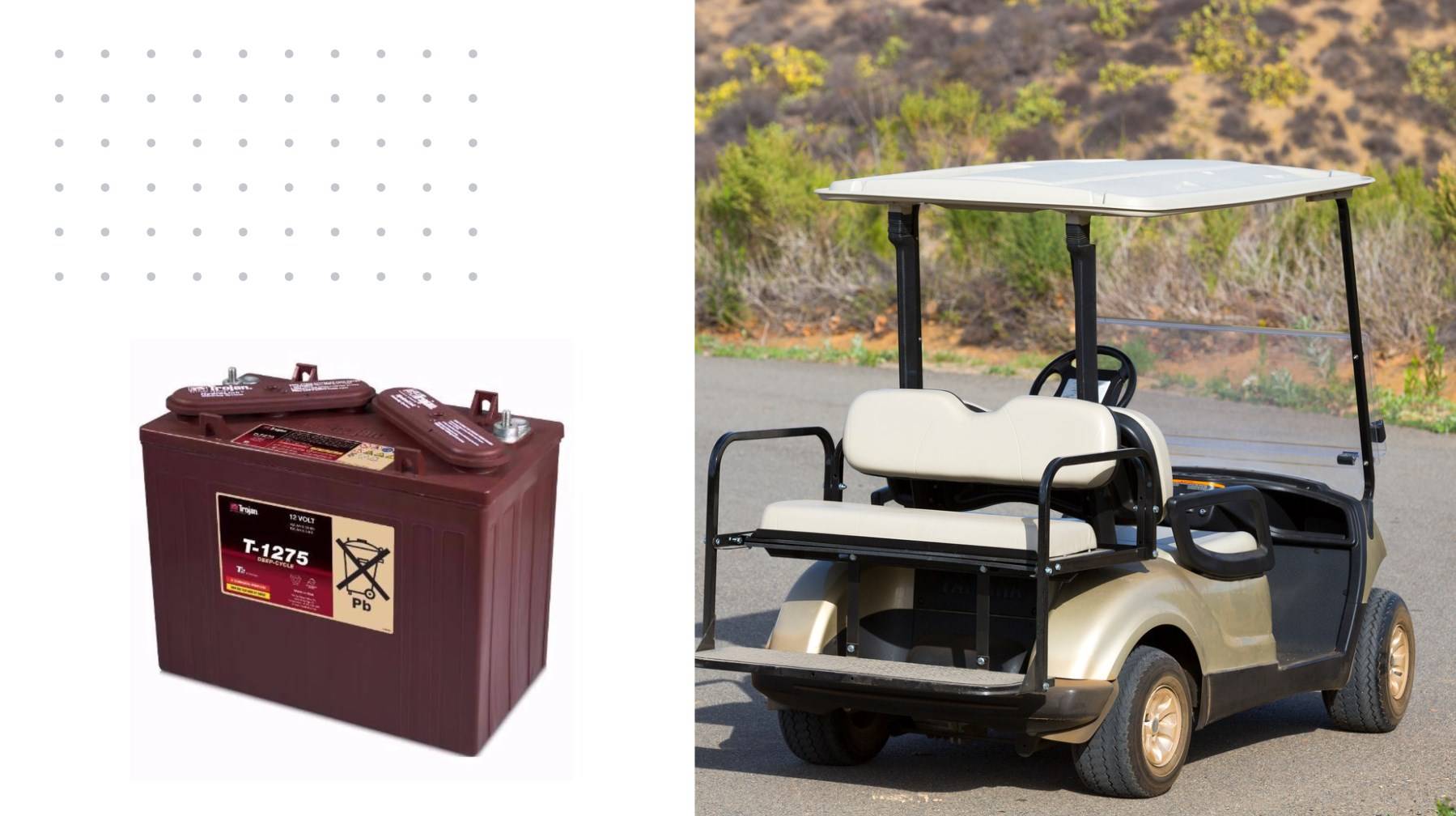
Determining if your golf cart batteries are failing is essential for maintaining optimal performance and avoiding unexpected breakdowns. Key indicators include reduced driving range, sluggish acceleration, and difficulty recharging. Regular inspections and tests can help you identify these issues early, ensuring your golf cart remains reliable.
What Are the Key Indicators of Failing Golf Cart Batteries?
Several signs indicate that your golf cart batteries may be failing:
- Reduced Driving Range: A noticeable decrease in how far you can travel on a single charge.
- Sluggish Acceleration: Difficulty in gaining speed or climbing hills.
- Difficulty Recharging: Longer charging times than usual.
- Physical Damage: Signs of bulging, leaking, or corrosion.
Key Indicators Chart
| Indicator | Description |
|---|---|
| Reduced Driving Range | Shorter distances traveled on a full charge |
| Sluggish Acceleration | Slow response when pressing the accelerator |
| Difficulty Recharging | Longer time to fully charge the batteries |
| Physical Damage | Visible signs of wear such as leaks or bulging |
How Can You Identify Reduced Driving Range in Your Golf Cart?
A clear sign of battery failure is a reduced driving range. If you find that your golf cart requires more frequent charging or cannot cover the same distance it once did, this indicates that the batteries are losing their capacity. For instance, if you used to drive 18 holes on a single charge but now can only manage 9, it’s time to investigate.Driving Range Assessment Chart
| Driving Range Change | Action Required |
|---|---|
| Significant reduction | Inspect batteries for wear and consider replacement |
| Minor reduction | Check charging habits and battery maintenance |
What Does Sluggish Acceleration Indicate About Battery Health?
If your golf cart exhibits sluggish acceleration, this may be a symptom of weakening batteries. As batteries lose their ability to hold a charge, they struggle to deliver consistent power to the motor. This can result in slow acceleration and difficulty climbing hills, which can significantly affect your driving experience.Acceleration Performance Chart
| Performance Level | Possible Cause |
|---|---|
| Normal | Healthy battery performance |
| Sluggish | Potential battery failure or inadequate charge |
How Does Difficulty Recharging Signal Battery Problems?
If you notice that your golf cart batteries take longer than usual to recharge, this is often a sign of deterioration. For example, if your batteries previously charged fully in 4-6 hours but now take 8-10 hours, it indicates that they may not be holding a charge effectively.Charging Time Assessment Chart
| Charging Time Change | Implication |
|---|---|
| Significant increase | Possible battery failure |
| Minor increase | Check charger functionality and battery health |
What Physical Signs Should You Look for in Your Batteries?
Regular inspections of your golf cart batteries are crucial to identifying physical damage:
- Bulging: Swelling of the battery case indicates internal failure.
- Leaking: Any signs of acid leakage around terminals are serious and require immediate attention.
- Corrosion: White or greenish buildup on terminals can hinder electrical flow.
Physical Condition Chart
| Condition | Action Required |
|---|---|
| Bulging | Replace battery immediately |
| Leaking | Clean up and inspect for further damage |
| Corrosion | Clean terminals and check battery connections |
How Can You Test Your Golf Cart Batteries for Failure?
Testing your golf cart batteries involves several methods:
- Voltage Testing: Use a multimeter to check voltage levels; a healthy battery should read around 12.6 volts when fully charged.
- Load Testing: Apply a load tester to assess how well the battery holds up under pressure; significant voltage drops indicate issues.
- Visual Inspection: Look for physical signs of damage such as leaks or corrosion.
Testing Methods Chart
| Test Type | Purpose |
|---|---|
| Voltage Testing | Measure current voltage level |
| Load Testing | Assess performance under load |
| Visual Inspection | Identify physical damage |
When Should You Replace Your Golf Cart Batteries?
Consider replacing your golf cart batteries if:
- You notice multiple indicators of failure (e.g., reduced range and sluggish acceleration).
- The batteries are over three years old and showing signs of decline.
- The cost of repairs or maintenance approaches the cost of new batteries.
Replacement Timing Chart
| Condition | Recommended Action |
|---|---|
| Multiple indicators | Replace batteries immediately |
| Age over three years | Evaluate performance and consider replacement |
| High maintenance costs | Assess cost-effectiveness of new batteries |
Battery Expert Views
Identifying failing golf cart batteries early can save you both time and money,” says John Doe, an expert in electric vehicle maintenance with over 15 years of experience. “Regular checks and understanding the key indicators will help ensure your golf cart remains reliable.”
FAQ Section
- How do I know if my golf cart batteries are failing?
Look for reduced driving range, sluggish acceleration, difficulty recharging, and physical damage. - What should I do if my batteries are leaking?
Immediately replace them to prevent further damage and safety hazards. - How often should I check my golf cart batteries?
Regular inspections every few months are recommended, especially before heavy use seasons. - Can I revive old golf cart batteries?
In some cases, cleaning terminals and ensuring proper charging can help; however, replacement is often necessary if they show significant wear.