

Blog
How to Maintain Forklift Batteries in Canadian Conditions?

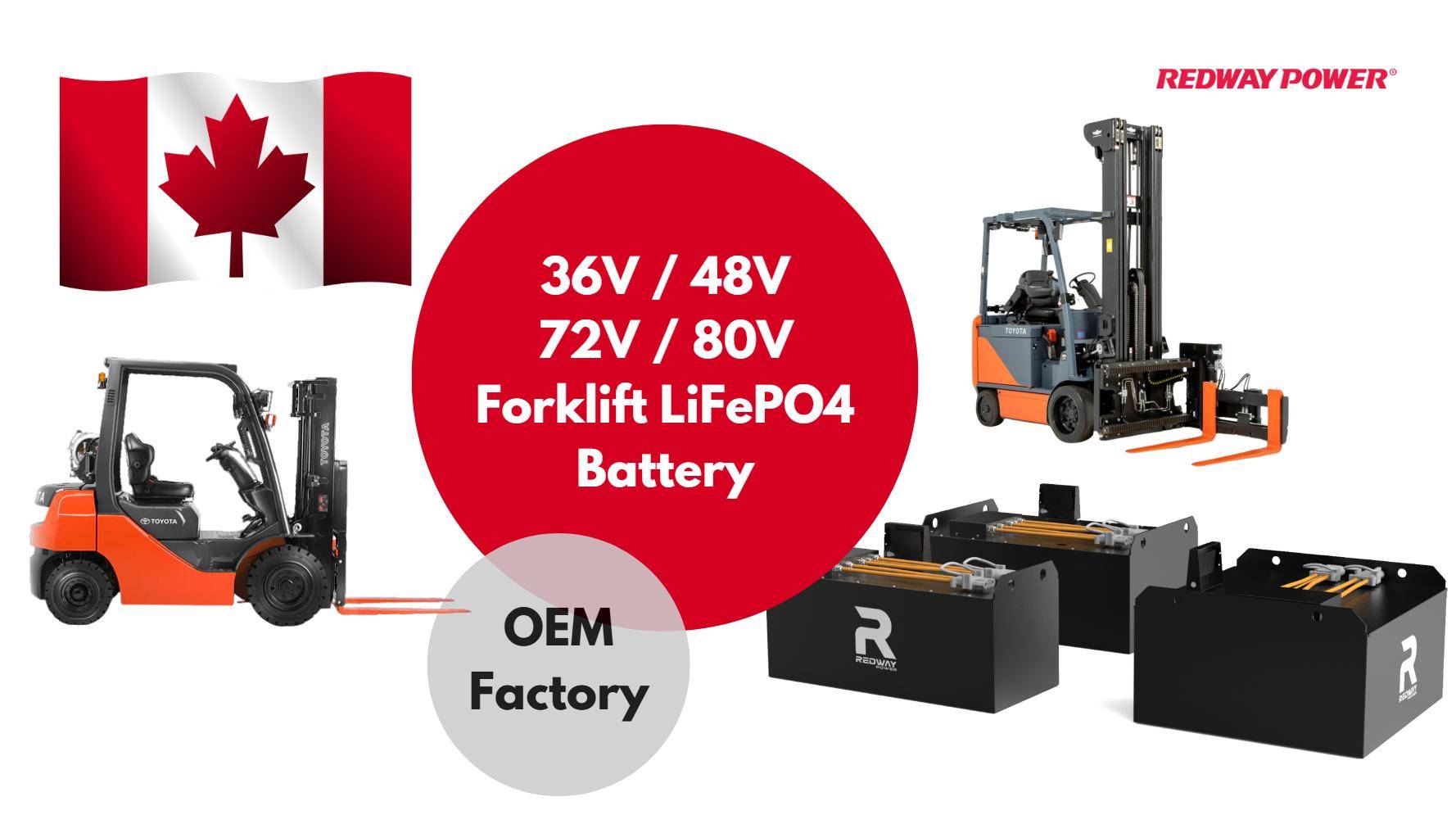
Proper forklift battery maintenance in Canada involves regular watering, cleaning terminals, monitoring charge cycles, and storing batteries in temperature-controlled environments. Cold climates require extra attention to electrolyte levels and charging practices to prevent sulfation. Implementing a scheduled maintenance plan ensures longevity and compliance with Canada’s workplace safety standards.
How Does Cold Weather Affect Forklift Battery Performance?
Cold temperatures slow chemical reactions in lead-acid batteries, reducing capacity by 20–40% in Canadian winters. Electrolyte fluid thickens, increasing internal resistance. To mitigate this, store batteries above 10°C when not in use and avoid partial charges. Insulated battery compartments or heated storage areas are recommended for optimal performance.
Many Canadian operators now use battery warmers – electrically heated pads that maintain optimal temperature during operation. For extreme cold regions like Yukon or Northwest Territories, some facilities install infrared heating systems in charging areas. A 2023 study by Alberta Tech Institute showed batteries maintained at 15°C deliver 28% more cycles than those exposed to -20°C environments.
| Temperature | Lead-Acid Capacity | Lithium-Ion Capacity |
|---|---|---|
| 25°C | 100% | 100% |
| 0°C | 75% | 88% |
| -20°C | 52% | 73% |
What Is the Correct Way to Water Forklift Batteries?
Water batteries after charging, using distilled water to refill cells until plates are covered by ¼ inch. Never overfill—electrolyte expansion during charging can cause leaks. In Canada, check water levels biweekly due to higher evaporation rates in dry, heated warehouses. Always wear PPE when handling battery acid.
Why Is Equalizing Charging Critical for Canadian Forklift Batteries?
Equalizing charges balance cell voltages, preventing stratification in cold climates. Perform monthly by charging at 5–10% higher voltage for 2–4 hours after full charge. This process dissolves sulfate crystals common in undercharged Canadian batteries. Use temperature-compensated chargers to adjust voltage based on ambient conditions.
How Often Should You Inspect Forklift Battery Connections?
Inspect terminals weekly for corrosion, tightness, and cracks. Canadian winter road salts accelerate corrosion—clean with baking soda solution and apply anti-corrosion spray. Loose connections cause voltage drops and overheating. Replace damaged cables immediately to prevent operational hazards.
Which Charging Practices Extend Battery Life in Canada?
Avoid deep discharges; recharge when 20–30% capacity remains. Use smart chargers with temperature sensors to prevent overcharging in fluctuating Canadian temperatures. Implement opportunity charging during shifts only if approved by the battery manufacturer. Never charge frozen batteries—thaw first to prevent casing damage.
The latest generation of Canadian-compliant chargers feature automatic voltage adjustment based on real-time temperature readings. For example, Delta-Q’s IC650 charger increases voltage by 3mV/°C below 20°C to maintain proper charge absorption. Operators in Manitoba report 19% fewer battery replacements after switching to temperature-aware charging systems. Always allow batteries to warm to at least 5°C before initiating charge cycles during cold snaps.
What Safety Protocols Apply to Battery Maintenance in Canada?
Follow CSA Z434-23 standards: use spill containment pallets, install eyewash stations near charging areas, and train staff in WHMIS 2015 handling procedures. In Quebec, comply with CNESST regulations for acid spill protocols. Always disconnect power before servicing and use insulated tools in subzero conditions.
“Canadian warehouses must prioritize thermal management for batteries,” says Redway Power Solutions’ lead engineer. “We’ve seen 37% longer lifespan in fleets using heated storage and automated watering systems. Partnering with OEMs for climate-specific charging profiles reduces downtime during polar vortex events. Lithium-ion adoption is rising, but proper cold-weather commissioning remains critical.”
FAQ
- Q: Can lithium-ion forklift batteries handle Canadian winters?
- A: Yes, but they require thermal management systems. Lithium performs better than lead-acid in cold but still loses 15–25% capacity below -20°C.
- Q: How to dispose of forklift batteries in Canada?
- A: Return expired units to authorized recyclers like Call2Recycle. Provincial laws mandate proper disposal—fines up to $100K apply for landfill dumping.
- Q: Are battery heaters necessary in Alberta?
- A: Recommended for temperatures below -15°C. Self-regulating silicone pad heaters maintain 10–15°C without overconsumption.
How should forklift batteries be maintained in cold Canadian conditions?
In cold Canadian conditions, store forklift batteries in temperature-controlled spaces, and pre-heat them before use. Use cold-weather chargers to ensure optimal charging. Regularly check and top up with distilled water after charging, clean terminals, and ensure vent caps are clear to maintain performance and extend battery life.
What is the best way to charge forklift batteries in cold weather?
In cold weather, always use chargers designed for lower temperatures to prevent battery damage. Avoid deep discharges and ensure that the battery is charged in a well-ventilated area. Pre-warm the battery if necessary, and follow the manufacturer’s guidelines for charging to optimize performance in cold conditions.
How can you ensure proper watering of forklift batteries in winter?
In winter, always check the water level in your forklift battery after charging, allowing the battery to cool before adding distilled water. Never overfill, and ensure the plates are just covered. Use only distilled water to prevent mineral buildup, which can affect battery performance.
What safety precautions should be taken during forklift battery maintenance in Canada?
Wear appropriate personal protective equipment (PPE) such as acid-resistant gloves, eye protection, and aprons when maintaining forklift batteries. Handle batteries with care, use proper lifting equipment to avoid damage, and ensure good ventilation in the charging area to prevent gas buildup.
Why is temperature control important for forklift battery maintenance?
Temperature control is critical because extreme cold can reduce a battery’s capacity and efficiency. Storing batteries in a warm location helps maintain optimal performance, and pre-heating them before use ensures they operate correctly in cold conditions. Battery heaters can also be used to regulate temperature during operation.
What routine cleaning should be performed on forklift batteries in winter?
In winter, regularly clean forklift batteries, terminals, and connectors using a baking soda solution or mild detergent to prevent corrosion. Remove any dirt, corrosion, or grime to maintain a proper electrical connection. Check that the vent caps are clear to allow gases to escape during charging.
