

Blog
How to Test a Golf Cart Battery After Storage

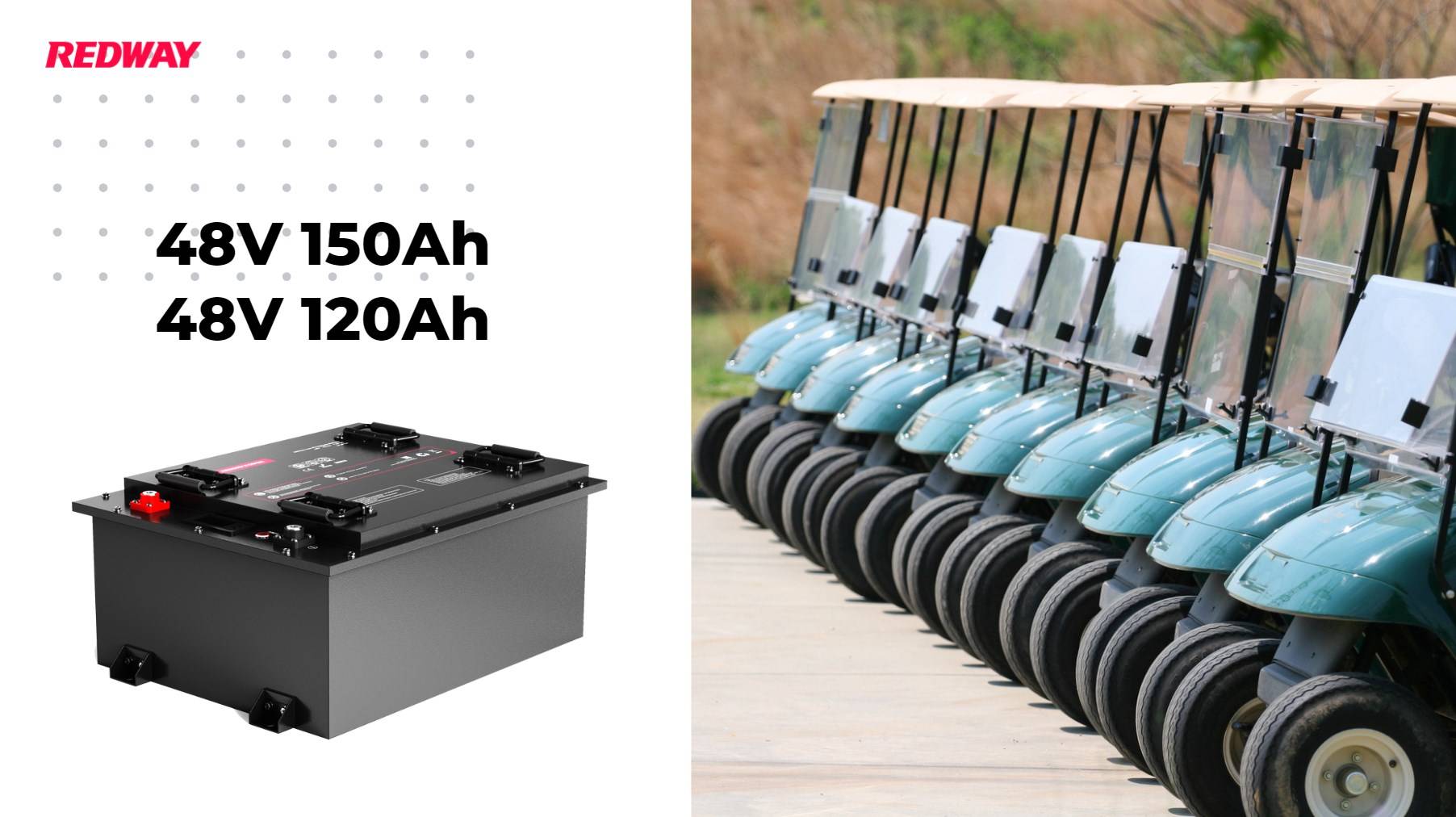
Testing a golf cart battery after storage is crucial to ensure it is still functional and safe to use. Typically, this involves checking the voltage, performing a load test, and inspecting for any physical damage. Regular testing helps maintain optimal performance and prolongs the life of your batteries.
What steps should you take before testing a golf cart battery?
Before testing your golf cart battery, follow these initial steps to ensure safety and accuracy:
- Safety First: Wear protective gear, including gloves and safety glasses, to prevent injury from acid or electrical shock.
- Visual Inspection: Check for any visible signs of damage, corrosion, or leaks on the battery terminals and casing.
- Disconnect Power: Ensure that the golf cart is turned off and all accessories are disconnected to prevent any accidental power draw during testing.
| Step | Description |
|---|---|
| Safety First | Wear gloves and goggles |
| Visual Inspection | Look for damage or corrosion |
| Disconnect Power | Turn off the cart and disconnect accessories |
How do you check the voltage of a golf cart battery?
To accurately check the voltage of your golf cart battery, use a digital multimeter:
- Set Up the Multimeter: Turn on the multimeter and set it to measure DC voltage.
- Connect Probes: Place the positive probe on the positive terminal and the negative probe on the negative terminal of the battery.
- Read Voltage: A fully charged 12V lead-acid battery should read between 12.6V and 12.8V. For 6V batteries, look for readings between 6.3V and 6.4V.
| Voltage Range | Battery Status |
|---|---|
| 12.6V – 12.8V | Fully charged lead-acid |
| 6.3V – 6.4V | Fully charged 6V |
| Below recommended | Indicates undercharge or potential failure |
What is the process for load testing a golf cart battery?
Load testing helps assess whether your battery can maintain adequate voltage under stress:
- Use a Load Tester: Connect a load tester to the battery terminals according to the manufacturer’s instructions.
- Apply Load: Activate the tester to apply a load equal to half of the amp-hour rating of your battery (e.g., if it’s rated at 100Ah, apply a load of 50 amps).
- Monitor Voltage Drop: Observe how much voltage drops during the test; healthy batteries should maintain around 9.6V or higher under load for at least 15 seconds.
| Load Testing Result | Interpretation |
|---|---|
| Maintains >9.6V | Healthy battery |
| Significant drop | Weak or failing battery |
How can you identify signs of battery failure?
Recognizing signs of failure can prevent unexpected breakdowns:
- Physical Damage: Look for cracks, bulges, or leaks in the casing.
- Corrosion: Excessive corrosion around terminals may indicate internal issues.
- Voltage Readings: Consistently low voltage readings after charging suggest diminished capacity.
- Poor Performance: If your golf cart struggles to maintain speed or range, it could indicate failing batteries.
| Sign | Indication |
|---|---|
| Physical Damage | Immediate replacement needed |
| Corrosion | Potential internal damage |
| Low Voltage | Indicates reduced capacity |
| Poor Performance | Suggests failing batteries |
When should you consider replacing your golf cart batteries?
Consider replacing your golf cart batteries when:
- They are over 5 years old (for lead-acid) or over 10 years old (for lithium-ion), even if they seem functional.
- You notice persistent low voltage readings despite proper charging.
- The batteries show significant physical damage or leakage.
- Performance has declined noticeably, affecting range or speed.
Replacement Considerations
| Condition | Action |
|---|---|
| Age | Replace if over recommended lifespan |
| Persistent Low Voltage | Consider replacement |
| Physical Damage | Replace immediately |
| Declining Performance | Evaluate need for new batteries |
Battery Expert Views
“Regularly testing your golf cart batteries after storage is essential for ensuring their reliability and performance. By following proper procedures for inspection, voltage checking, and load testing, you can effectively determine their health and longevity.”
FAQ Section
- How often should I test my golf cart batteries?
It’s advisable to test your batteries at least once every few months, especially after prolonged storage. - What tools do I need to test my batteries?
You’ll need a digital multimeter, load tester, safety gloves, and possibly cleaning supplies for terminals. - Can I clean corroded terminals myself?
Yes, use a mixture of baking soda and water to clean terminals safely; ensure connections are tight afterward. - What should I do if my battery fails a load test?
If your battery fails under load, consider replacing it as it may not hold sufficient charge for reliable operation.