

Blog
Understanding 48V Rack Mount Lithium Battery Options

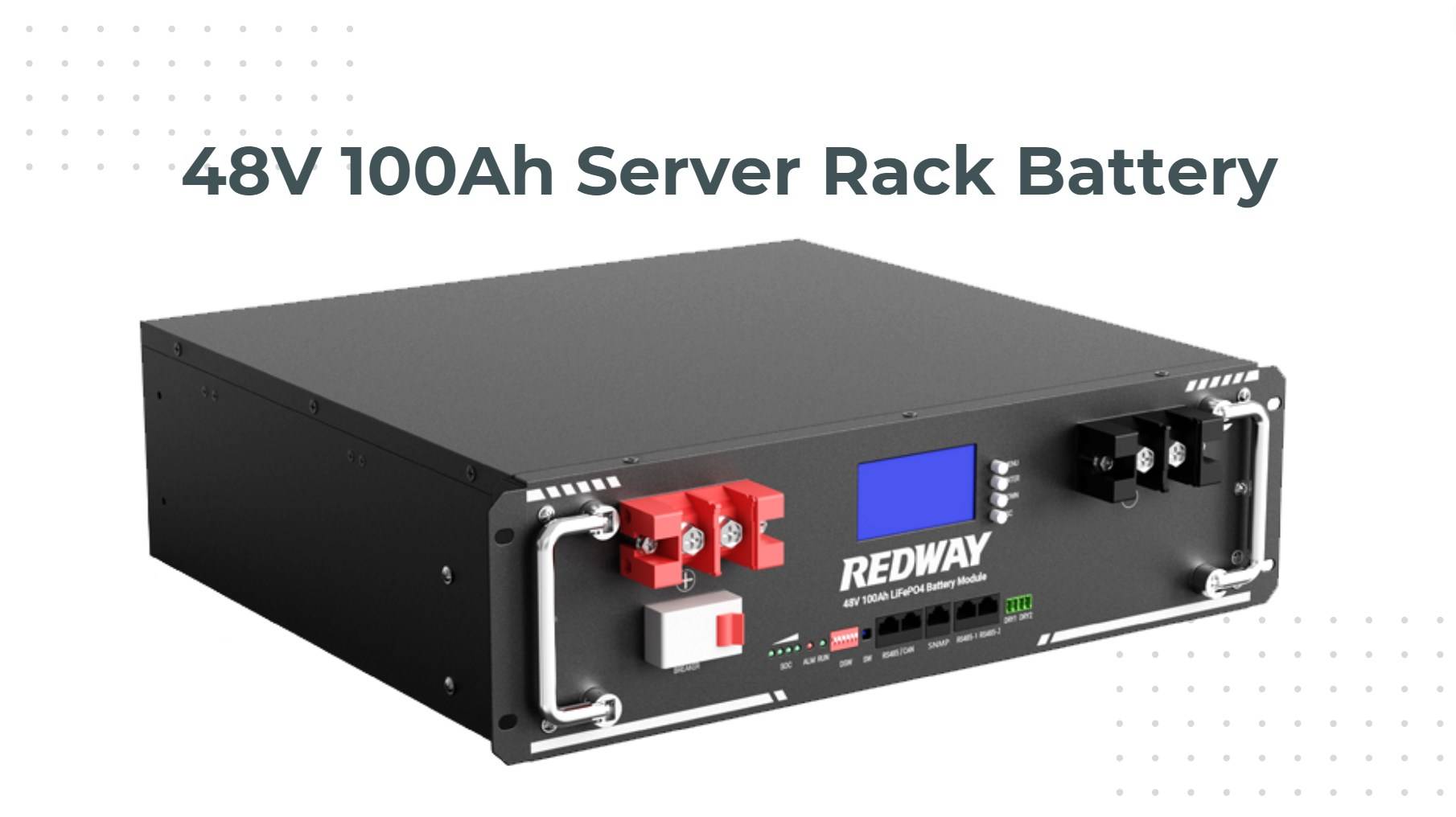
Understanding 48V rack mount lithium battery options is crucial for optimizing energy storage solutions, particularly in commercial and industrial applications where reliability and efficiency are paramount. This guide will delve into essential aspects, specifications, and considerations when selecting these powerful energy sources.
What is a 48V LiFePO4 battery?
A 48V LiFePO4 (Lithium Iron Phosphate) battery is a type of rechargeable lithium battery that utilizes lithium iron phosphate as its cathode material, providing excellent thermal stability and safety features. These batteries typically consist of multiple cells connected in series to achieve the desired voltage, making them ideal for high-capacity applications.Chart Title: Overview of 48V LiFePO4 Battery
| Feature | Description |
|---|---|
| Chemistry | Lithium Iron Phosphate |
| Nominal Voltage | 48V |
| Cycle Life | Up to 6000 cycles |
| Safety | Excellent thermal stability |
How does a rack-mounted battery differ from traditional batteries?
Rack-mounted batteries are designed specifically for integration into standard server racks, offering modularity and space efficiency compared to traditional standalone batteries. While traditional batteries often require multiple units to achieve higher voltages, rack-mounted systems consolidate this into a single unit, simplifying installation and maintenance.Chart Title: Differences Between Rack-Mounted and Traditional Batteries
| Aspect | Rack-Mounted Batteries | Traditional Batteries |
|---|---|---|
| Form Factor | Designed for racks | Standalone units |
| Installation | Easier integration into systems | May require multiple units |
| Space Efficiency | High | Lower |
What are the advantages of using rack-mounted lithium batteries?
The advantages include improved space efficiency, easier scalability, and enhanced performance in high-demand environments such as data centers or renewable energy systems. Additionally, these systems often come with advanced Battery Management Systems (BMS) that ensure optimal charging and discharging cycles.Chart Title: Advantages of Rack-Mounted Lithium Batteries
| Advantage | Description |
|---|---|
| Space Efficiency | Maximizes use of available space |
| Scalability | Easily expandable as power needs grow |
| Advanced BMS | Optimizes performance and longevity |
What specifications should you consider for a 48V rack-mounted battery?
Key specifications include capacity (measured in amp-hours), discharge rates, dimensions, weight, and compatibility with existing systems. Understanding these factors helps ensure that the selected battery meets specific application requirements effectively.Chart Title: Key Specifications to Consider
| Specification | Importance |
|---|---|
| Capacity (Ah) | Determines total energy storage |
| Discharge Rate | Affects performance under load |
| Dimensions | Must fit within designated space |
How do you choose the right capacity for your needs?
Choosing the right capacity involves assessing your power requirements based on expected load and usage patterns. Calculating total watt-hours needed during peak demand periods will guide you in selecting an appropriate amp-hour rating.Chart Title: Choosing Battery Capacity
| Factor | Consideration |
|---|---|
| Peak Load | Assess maximum power requirements |
| Usage Patterns | Determine daily energy consumption |
Why is it important to understand battery chemistry when selecting a battery?
Understanding battery chemistry is vital as it influences performance characteristics such as energy density, cycle life, safety, and environmental impact. Different chemistries offer varied benefits; thus, aligning them with application needs ensures optimal performance.Chart Title: Importance of Battery Chemistry
| Chemistry Type | Characteristics |
|---|---|
| LiFePO4 | Safe, stable, long cycle life |
| Lithium-ion | Higher energy density but less stable |
When should you consider upgrading to a higher capacity battery?
Consider upgrading when your current system struggles to meet power demands or experiences frequent outages due to insufficient capacity. Upgrading can enhance reliability and ensure that your operations remain uninterrupted.Chart Title: Signs You Need Higher Capacity
| Sign | Recommendation |
|---|---|
| Frequent Outages | Evaluate current system capabilities |
| Increased Load | Consider larger capacity options |
Can rack-mounted batteries be integrated into existing systems easily?
Yes, many rack-mounted lithium batteries are designed with modularity in mind, allowing them to be integrated seamlessly into existing setups with minimal modifications required. Compatibility with standard rack configurations further simplifies this process.Chart Title: Integration Ease
| Aspect | Description |
|---|---|
| Modularity | Designed for easy expansion |
| Compatibility | Fits standard racks |
Expert Views:
Understanding 48V rack mount lithium battery options is essential not only for optimizing energy storage but also for ensuring that your infrastructure remains resilient against power interruptions. Selecting the right chemistry and configuration can significantly impact both performance and cost-effectiveness.”
FAQ Section
- What is the typical lifespan of a 48V LiFePO4 battery?
Typically, they last between 5 to 15 years, depending on usage and maintenance. - How do I determine if my application requires a higher capacity?
Assess peak load demands and frequency of outages; if issues arise frequently, consider upgrading. - Are there safety concerns with using lithium batteries?
While generally safe, proper installation and monitoring are crucial to prevent overheating or failures. - Can I connect multiple rack-mounted batteries together?
Yes, many models allow parallel connections to increase overall capacity. - Where can I purchase reliable 48V lithium batteries?
Reliable sources include specialized online retailers or manufacturers’ websites focusing on energy solutions.