

Blog
What Are the Best Forklift Battery Recycling Options?

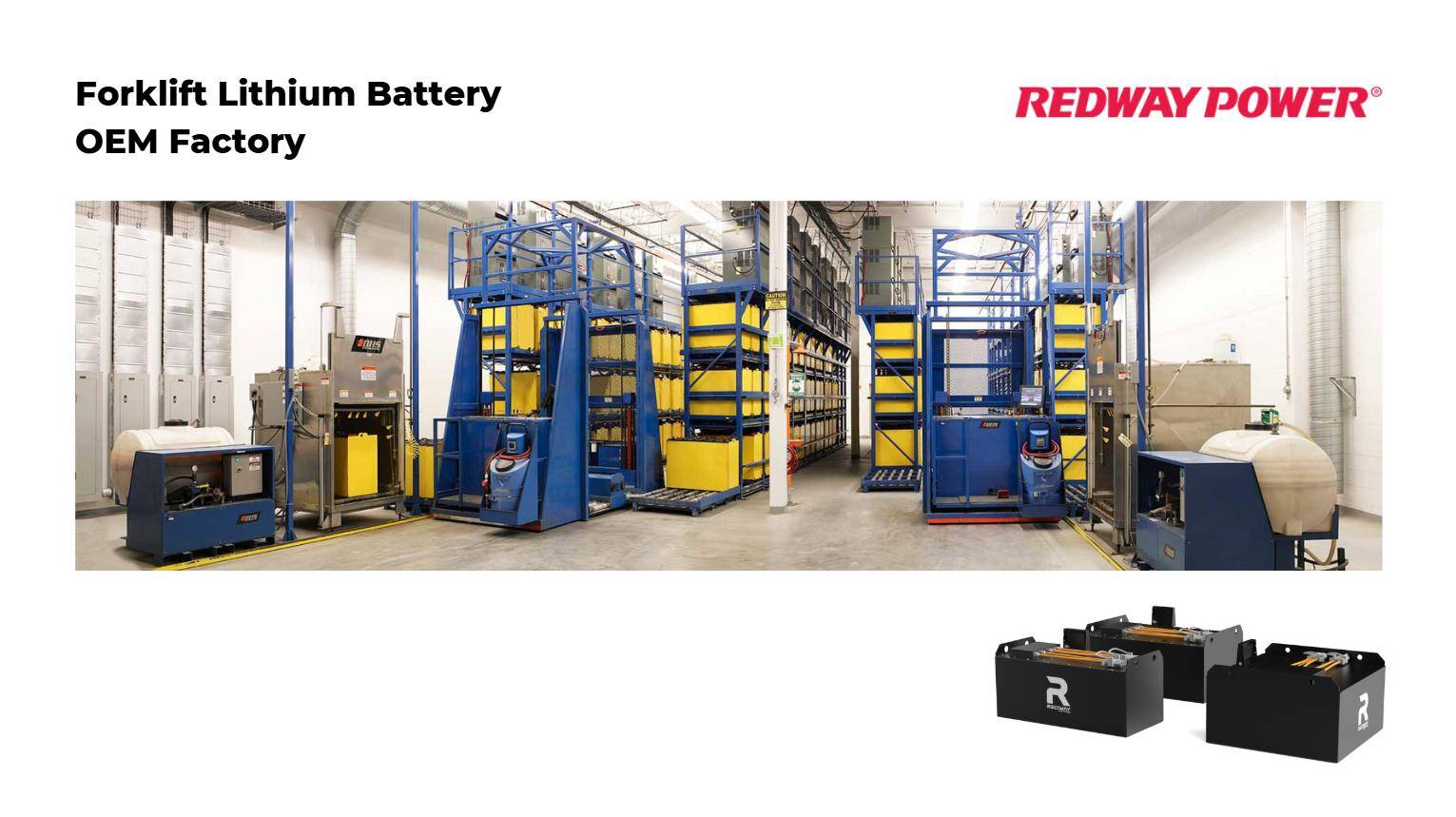
Responsible recycling of forklift batteries is essential for meeting environmental regulations, reducing hazardous waste, and recovering valuable materials. With both lead-acid and lithium-ion chemistries prevalent in industrial fleets, choosing certified recycling channels ensures safety and maximizes resource reuse while aligning with sustainability goals and cost-recovery opportunities.
The forklift battery market is substantial and expanding, with electric forklifts accounting for about 68 % of industry deployments worldwide. Yet recycling infrastructure currently processes only around 68 % of spent batteries, leaving a significant gap that creates environmental and regulatory challenges for operators managing end-of-life units. Lead-acid batteries — the most common forklift power source — boast recycling rates above 95 % globally, while lithium-ion recycling remains below 60 %, highlighting an urgent need for scalable, compliant solutions. ([turn0search1])
How Big Is the Recycling Challenge for Forklift Batteries?
Electric forklift fleets rely on high-capacity batteries that eventually reach end of service and must be responsibly recycled. Lead-acid batteries contain toxic lead and sulfuric acid; without proper recycling, these materials pose serious risks to soil, water, and human health. Lithium-ion batteries used in newer forklifts require advanced handling to recover metals like lithium, nickel, and cobalt safely. ([turn0search1])
Global recycling efficiency differences create operational headaches: while lead-acid systems are recycled at rates exceeding 95 %, lithium-ion recycling systems currently process less than 60 % of spent units, meaning many components end up in landfills or informal waste streams. Regulatory pressure is tightening, with mandates emerging that require greater recovery and responsible disposal. ([turn0search1])
These realities present a quantifiable compliance risk for businesses, where failure to meet disposal regulations can result in fines and legal exposure, especially for high-volume forklift operators.
What Are the Main Pain Points in Forklift Battery Recycling?
Forklift battery recycling involves several logistical and technical challenges:
• Hazardous content management: Lead-acid batteries contain sulfuric acid and lead, requiring neutralization and specialized processing.
• Lithium-ion complexity: Recovering valuable metals from Li-ion cells demands certified facilities with hydrometallurgical or pyrometallurgical capability.
• Regulatory compliance: Operators must navigate EPA, DOT, OSHA, and regional disposal laws that govern hazardous waste transport and handling.
• Infrastructure limitations: In many regions, certified industrial battery recyclers are limited, increasing transport costs and turnaround times.
Addressing these pain points with structured recycling programs ensures both environmental stewardship and protection against liabilities.
What Makes Traditional Forklift Battery Disposal Insufficient?
Traditional disposal — such as landfill dumping or selling batteries to unverified scrapyards — poses significant downsides:
• Environmental harm: Lead and acid from batteries can contaminate water sources and soil if not neutralized properly.
• Regulatory risk: Illegal disposal can lead to fines, citations, and cleanup liabilities under hazardous waste laws.
• Lost value: Informal recycling often fails to recover valuable components like lead or lithium, diminishing resource efficiency.
• Safety hazards: Improper handling of lithium-ion batteries increases fire and chemical exposure risk.
These limitations emphasize the need for certified recycling pathways that ensure materials are responsibly processed and recovered.
What Are Certified Forklift Battery Recycling Solutions?
The best recycling options for forklift batteries combine environmental responsibility, regulatory compliance, and material recovery. Leading choices include:
1. EPA-Certified Industrial Recyclers:
Organizations such as EPA-certified facilities specialize in processing both lead-acid and lithium-ion forklift batteries. They neutralize acids, recover metals, and provide chain-of-custody documentation for compliance.
2. Manufacturer Take-Back Programs:
OEMs often offer recycling or refurbishment options. Some manufacturers partner with certified recyclers to take back spent batteries and reuse components in new production.
3. Third-Party Recyclers with Pickup Services:
Companies provide on-site battery collection, logistics, and recycling, ensuring hazardous materials are transported and processed under national and regional regulations.
4. Scrap and Buy-Back Programs:
Certain recyclers offer buy-back incentives for spent batteries, turning end-of-life units into offset revenue while ensuring responsible handling.
For industrial fleets using long-lasting LiFePO₄ forklift batteries — such as those designed for durability and ease of disassembly by Redway Power — choosing recycling partners that can reclaim cathodes and cell materials is especially valuable.
Which Features Differentiate Recycling Approaches?
| Feature | Informal Scrap Disposal | Certified Recycling Program |
|---|---|---|
| Environmental Compliance | Low | High |
| Hazardous Waste Handling | Minimal | Full, regulated |
| Material Recovery | Limited | Maximized lead/lithium/nickel/cobalt |
| Documentation for Regulators | None | Provided |
| Safety Controls | Low | High |
| Cost/Value Recovery | Variable | Often compensated or value-added |
Certified recycling programs not only mitigate environmental risk but also support closed-loop material reuse, which aligns with broader industry shifts toward circular economy practices.
How Do You Recycle Forklift Batteries Step by Step?
- Identify Battery Chemistry: Lead-acid vs. lithium-ion vs. LiFePO₄ to determine processing requirements.
- Select a Certified Recycler: Choose an EPA, DOT, and relevant local authority-approved facility.
- Prepare for Transport: Neutralize electrolyte (if required), insulate terminals, and follow hazardous-material guidelines for shipping.
- Schedule Pickup or Drop-Off: Arrange logistics with the recycling partner.
- Receive Documentation: Obtain recycling certificates and manifests to demonstrate compliance.
- Track Material Recovery: Review what materials were reclaimed for reuse in new battery production.
What Real-World Forklift Battery Recycling Successes Look Like?
Scenario 1: Large Warehouse Fleet Recycling
- Problem: 200 lead-acid batteries approaching end of life.
- Traditional Practice: Risky scrap disposal with environmental exposure.
- After Certified Recycling: Batteries processed at an EPA-certified facility with >95 % lead recovery.
- Key Benefit: Regulatory compliance and value recovery from lead and plastics.
Scenario 2: Lithium-Ion Forklift Fleet Transition
- Problem: Newer Li-ion units reaching retirement.
- Traditional Practice: Informal dismantling with safety hazards.
- After Certified Program: Safe transport and hydrometallurgical metal recovery.
- Key Benefit: Minimizes hazardous waste and recovers valuable metals.
Scenario 3: OEM Manufacturer Take-Back Program
- Problem: Disposing of varied battery chemistries across depots.
- Traditional Practice: Decentralized handling with inconsistent results.
- After Take-Back: Manufacturer coordinates collection and recycling streams.
- Key Benefit: Streamlined compliance and material reuse.
Scenario 4: Buy-Back Incentive from Recycler
- Problem: High disposal cost concerns.
- Traditional Practice: Paid disposal without value return.
- After Buy-Back: Scrap value offsets recycling costs.
- Key Benefit: Reduced net recycling expense and resource recovery.
Why Is Now the Time to Prioritize Forklift Battery Recycling?
Industry trends show forklift electrification rising and lithium-ion adoption increasing, intensifying end-of-life battery volumes and recycling demand. Efficient recycling ensures material recovery, environmental protection, and reduced reliance on virgin raw materials. Circular approaches also support compliance with tightening global regulations. Companies working with durable, recyclable battery systems — including advanced LiFePO₄ forklift batteries engineered for longevity and easier recovery by Redway Power — are better positioned to integrate recycling into total lifecycle strategies.
What Are Common Questions About Forklift Battery Recycling?
How do I know if my forklift battery is recyclable?
Almost all lead-acid and lithium-ion batteries are recyclable; the recycler will assess chemistry and condition. (Forklifts Group)
What documentation is required for recycling compliance?
EPA manifests, chain-of-custody, and recycling certificates demonstrate legal handling and disposal. (Redway Power™ – OEM Lithium Batteries)
Are there costs associated with recycling forklift batteries?
Yes — fees may apply based on chemistry and transport, but buy-back programs can offset costs. (LiFePO4 Batteries)
Can lithium-ion forklift batteries be recycled like lead-acid ones?
Yes, but Li-ion recycling processes are more complex and need certified facilities. (Forklifts Group)
Does recycling forklift batteries benefit sustainability goals?
Recycling recovers valuable metals and reduces landfill waste, supporting environmental and circular-economy objectives. (redway-tech.com)
Sources
• https://www.forkliftsgroup.com/news/forklift-battery-recycling-the-safe-simple-process-you-can-use-today
• https://www.industryresearch.co/market-reports/forklift-battery-market-308036
• https://www.sbcrecycle.com/business-recycling/batteries-forklift/
• https://samrinc.com/services/forklift-battery-recycling/
• https://www.lithium-battery-manufacturer.com/what-is-forklift-battery-scrap-price/
• https://www.redwaypower.com/how-to-safely-replace-and-dispose-of-forklift-batteries-a-complete-guide/