

Blog
What Are the Cranking Power and Deep Cycling Capabilities of Group 34 Batteries?

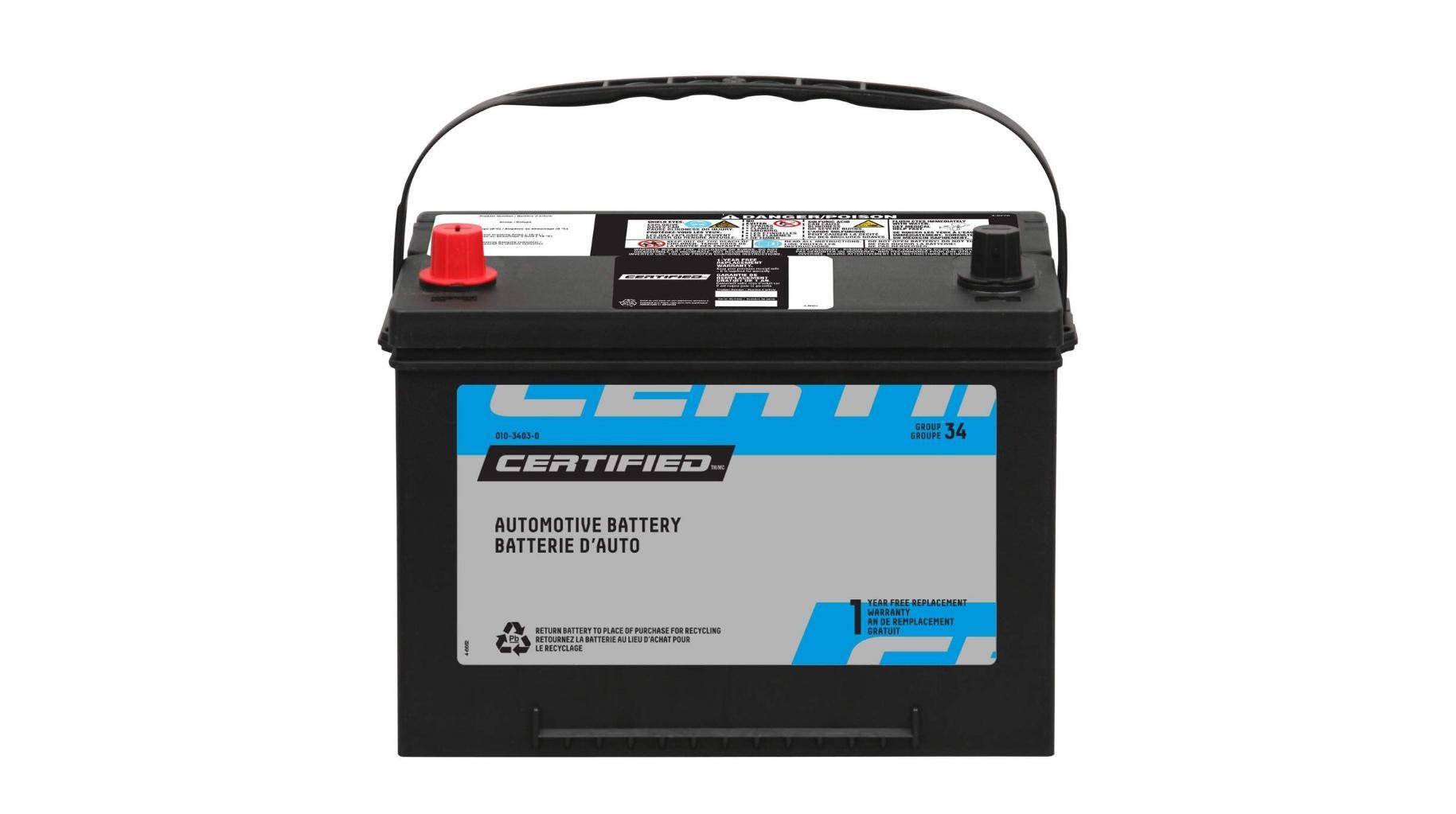
Group 34 batteries are popular choices for automotive and marine applications due to their robust cranking power and deep cycling capabilities. These batteries provide reliable starting power while also supporting the energy needs of various onboard systems. This article explores the specifications and applications of Group 34 batteries, focusing on their performance characteristics.
What Is Cranking Power and Why Is It Important?
Cranking power refers to the battery’s ability to deliver a high burst of current for a short duration to start an engine. This is measured in Cold Cranking Amps (CCA), which indicates how many amps the battery can provide at 0°F (-18°C) for 30 seconds while maintaining a voltage of at least 7.2 volts. A higher CCA rating means better starting performance, especially in cold weather conditions.
| Measurement | Description |
|---|---|
| Cold Cranking Amps (CCA) | Current provided at low temperature |
| Marine Cranking Amps (MCA) | Similar to CCA but measured at 32°F (0°C) |
| Reserve Capacity (RC) | Duration the battery can supply 25 amps before voltage drops below 10.5 volts |
How Do Group 34 Batteries Perform in Deep Cycling Applications?
Group 34 batteries can be designed for deep cycling, allowing them to be discharged and recharged repeatedly without significant damage. Deep cycle batteries are essential for applications where sustained energy output is required over extended periods, such as powering electronics in RVs or boats.
Performance Comparison Chart
| Feature | Deep Cycle Group 34 Batteries | Starting Group 34 Batteries |
|---|---|---|
| Cycle Life | 400-900 cycles | 300-500 cycles |
| Depth of Discharge | Up to 80% | Typically 50% |
| CCA | Lower (600-800 CCA) | Higher (700-900 CCA) |
Which Applications Are Best Suited for Group 34 Batteries?
Group 34 batteries are versatile and can be used in various applications, including:
- Automotive: Ideal for vehicles that require reliable starting power.
- Marine: Suitable for powering trolling motors and onboard electronics.
- Recreational Vehicles (RVs): Provide energy for appliances and lighting.
- Off-Grid Systems: Can be used in solar energy setups to store energy.
Application Areas Chart
| Application | Benefits |
|---|---|
| Automotive | Reliable starting power |
| Marine | Consistent energy for motors and electronics |
| Recreational Vehicles | Supports extended trips without generator use |
| Off-Grid Systems | Effective energy storage for renewable sources |
Why Choose Lithium Over Lead-Acid in Group 34 Applications?
Lithium batteries offer several advantages over traditional lead-acid batteries in Group 34 applications:
- Longer Lifespan: Lithium batteries can last up to 10 years, while lead-acid batteries typically last between 3-5 years.
- Faster Charging: Lithium options can charge significantly faster, often reaching 80% capacity in under an hour.
- Weight Savings: Lithium batteries are considerably lighter, improving vehicle handling and efficiency.
What Are the Environmental Considerations for Group 34 Batteries?
When choosing a battery, environmental impact is an important factor:
- Recyclability: Lithium batteries can often be recycled more efficiently than lead-acid batteries, reducing waste.
- Hazardous Materials: Lead-acid batteries contain toxic materials that pose environmental risks if not disposed of properly.
Are There Any Drawbacks to Using Group 34 Batteries?
While Group 34 batteries offer numerous benefits, there are some drawbacks:
- Cost: Lithium batteries generally have a higher upfront cost compared to lead-acid options.
- Temperature Sensitivity: Lithium performance can be affected by extreme temperatures.
- Specialized Charging Requirements: Some lithium batteries require specific chargers that may not be compatible with existing systems.
Drawbacks Overview Chart
| Drawback | Description |
|---|---|
| Initial Cost | Higher upfront investment |
| Temperature Sensitivity | Performance may decrease in extreme conditions |
| Charging Requirements | May require specialized chargers |
Redway Power Expert Views
“Choosing the right battery type for your needs is crucial,” says Mark Johnson, an automotive battery specialist. “While Group 34 lead-acid batteries provide reliable starting power, lithium options offer superior longevity and efficiency, making them ideal for modern applications.”
Conclusion
Group 34 batteries are a versatile choice for various automotive and marine applications, offering reliable cranking power and deep cycling capabilities. Understanding their specifications helps consumers make informed decisions about which type best meets their needs.
FAQ
- What is the typical lifespan of a Group 34 battery?The lifespan varies by type; lead-acid typically lasts 3-5 years, while lithium can last up to 10 years.
- What does CCA mean?Cold Cranking Amps (CCA) measures how much current a battery can deliver at low temperatures for starting engines.
- Can I use a Group 34 battery in place of another size?Yes, as long as the specifications meet or exceed those required by your application and it fits safely in your vehicle.