Blog
What Are the Essential Forklift Parts and How Do They Work?


What Are the Essential Forklift Parts and How Do They Work?
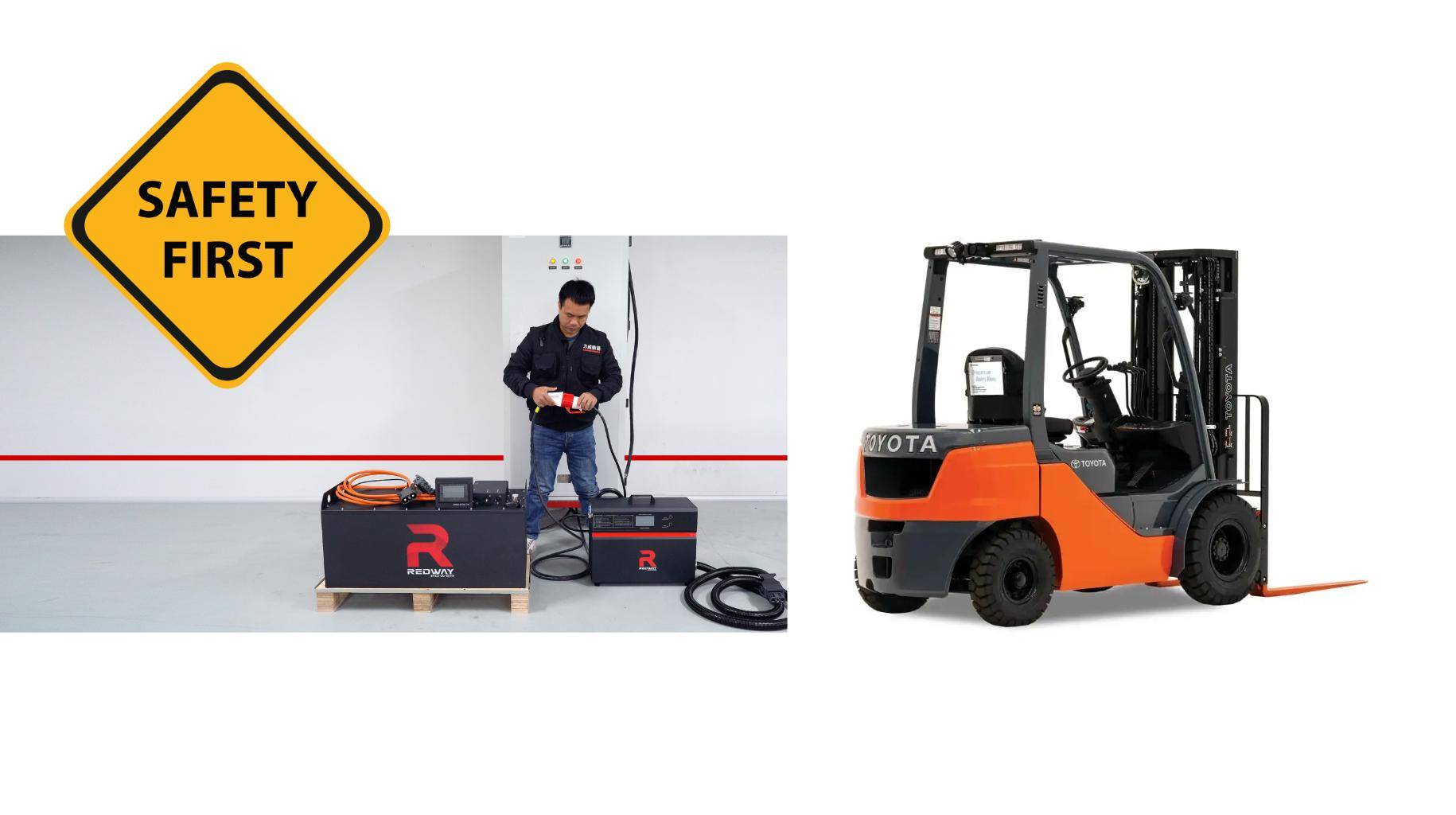
Forklift parts include the mast, forks, carriage, hydraulic system, power source (electric/battery or internal combustion), tires, overhead guard, and controls. These components work together to lift, move, and stabilize heavy loads. Regular maintenance ensures safety and efficiency, while understanding part functions helps optimize forklift performance in warehouses, construction sites, and industrial settings.
LiFePO4 Forklift Batteries OEM Manufacturer
How Does the Hydraulic System Power a Forklift?
The hydraulic system uses pressurized fluid to lift and tilt the mast. A pump forces fluid into cylinders, extending pistons to raise the forks. Control valves regulate fluid flow, enabling precise movements. This system ensures smooth lifting, lowering, and load positioning, requiring regular checks for leaks or pressure loss to maintain efficiency.
LiFePO4 Lithium Golf Cart Batteries Manufacturer
Hydraulic systems rely on specialized fluids with anti-wear additives to minimize component friction. Temperature plays a critical role—cold environments thicken fluid, reducing responsiveness, while heat accelerates degradation. Operators should monitor fluid levels monthly and watch for unusual noises during operation, which may indicate air pockets or pump wear. Modern systems often include pressure relief valves to prevent overloading, a safety feature that automatically redirects excess fluid back to the reservoir. For complex repairs like seal replacements or cylinder rebuilding, always consult certified technicians to maintain system integrity.
What Maintenance Practices Extend Forklift Lifespan?
Routine maintenance includes inspecting fluids, filters, brakes, and hydraulics; testing batteries; lubricating joints; and replacing worn parts. Scheduled servicing prevents breakdowns, reduces repair costs, and ensures compliance with safety standards. Documentation of maintenance history aids in tracking component wear and optimizing replacement schedules.
48v Lithium Forklift Batteries
Implement a 3-tier maintenance strategy: daily operator checks (fluid levels, tire pressure), weekly mechanical inspections (brake function, chain tension), and quarterly deep diagnostics (hydraulic pressure tests, motor efficiency analysis). Use OEM-approved lubricants for pivot points and bearings—improper greases can attract debris. For electric models, battery maintenance is paramount: clean terminals monthly, check water levels in lead-acid batteries, and avoid full discharges. Document fluid changes and part replacements in a centralized log, noting hours of operation. This data helps predict failure points—for example, mast rollers typically require replacement every 2,000 operating hours in heavy-use environments.
| Maintenance Task | Frequency | Tools Required |
|---|---|---|
| Hydraulic Fluid Check | Weekly | Dipstick, Clean Cloth |
| Tire Pressure Inspection | Daily | Pressure Gauge |
| Mast Lubrication | Monthly | Grease Gun, OEM Lubricant |
Expert Views
“Investing in OEM parts ensures compatibility and reliability, especially for critical components like hydraulics and mast assemblies. At Redway, we’ve seen a 30% reduction in downtime when clients prioritize quality over cheaper alternatives. Regular training for operators on part inspections also minimizes unexpected failures.” — Redway Forklift Solutions Team
FAQs
- How often should forklift parts be inspected?
- Daily pre-use checks and monthly professional inspections are recommended. Critical components like brakes, hydraulics, and forks require immediate attention if wear or damage is detected.
- Can aftermarket parts void forklift warranties?
- Some manufacturers void warranties if non-OEM parts cause damage. Always verify warranty terms before using aftermarket components.
- What’s the average lifespan of forklift tires?
- Cushion tires last 1-3 years, while pneumatic tires endure 3-5 years, depending on usage intensity and surface conditions.
What are the essential parts of a forklift?
Key forklift parts include the mast for lifting, forks for engaging loads, counterweights for stability, and the carriage that holds the forks. Other essential parts are the overhead guard for safety, power source (engine or battery), chassis, tires, steering and drive axles, brakes, and operator cab.
How does the mast work on a forklift?
The mast is a vertical structure that allows the forklift to lift and lower loads. It moves up and down using hydraulic cylinders and rails. The forks are mounted to the mast, and the entire system is powered by the forklift’s hydraulic system, enabling efficient material handling.
What is the function of forklift forks?
Forks are the prongs that slide under loads to lift, carry, and lower them. They are attached to the carriage, which is mounted to the mast. Forks come in various sizes and shapes, depending on the load type, and are crucial for secure and efficient material handling.
What role does the counterweight play in a forklift?
The counterweight is a heavy mass located at the rear of the forklift. It helps balance the load being carried on the forks, preventing the forklift from tipping forward. This balance is essential for maintaining stability, especially when lifting heavy or unbalanced loads.
Why are forklift safety features important?
Forklift safety features, such as the overhead guard, load backrest, brakes, horn, and safety lights, are vital for protecting the operator and others in the workspace. These features prevent injuries by shielding operators from falling objects, ensuring reliable stopping power, and increasing visibility for safe operation.
What is the role of the hydraulic system in a forklift?
The hydraulic system powers the mast, forks, and tilt functions of a forklift. It uses components like pumps, hoses, and cylinders to provide the necessary force for lifting, lowering, and tilting loads. Regular maintenance of the hydraulic system ensures efficient operation and prevents equipment failures.