Blog
What Are the Essential Forklift Service and Parts for Optimal Performance?

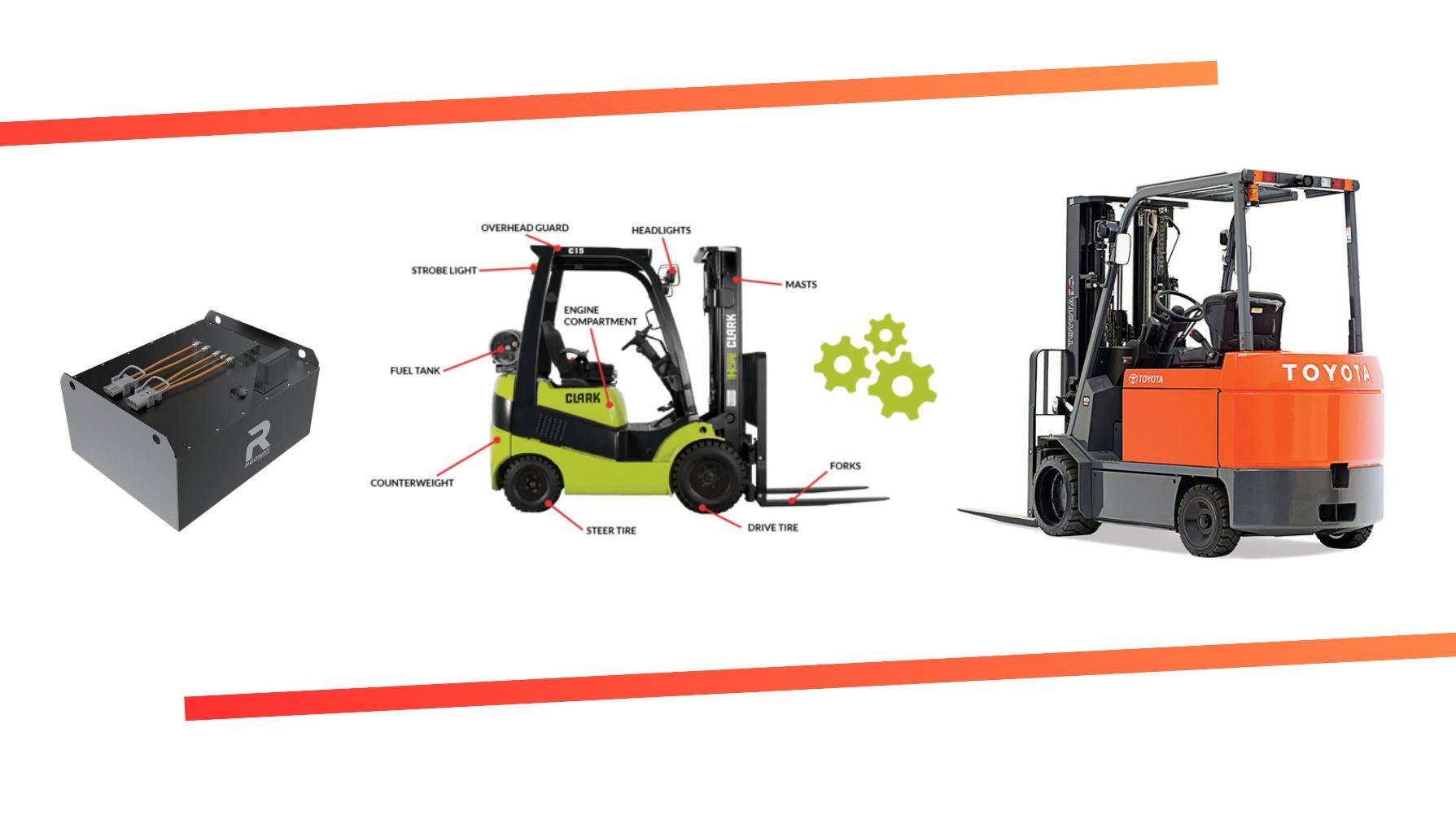
Forklifts need maintenance every 200-250 hours of use. Daily checks include fluid levels, tire pressure, and brake function. Monthly inspections should assess hydraulic systems and mast alignment. Annual servicing involves engine overhauls and electrical diagnostics. Adhering to manufacturer schedules prevents breakdowns and ensures OSHA compliance.
LiFePO4 Forklift Batteries OEM Manufacturer
Which Forklift Parts Require Frequent Replacement?
Common replaceable parts include tires (every 1,000-1,500 hours), brake pads (annually), and hydraulic hoses (every 2-3 years). Forks may need replacement if bent or worn. Filters (air, oil, fuel) should be changed quarterly. Regular battery maintenance, like watering lead-acid types, extends lifespan. Using OEM parts ensures compatibility and reliability.
Operators should monitor tire wear patterns – excessive edge wear indicates alignment issues requiring immediate attention. For hydraulic systems, sudden pressure drops or slow lifting speeds often signal failing pumps or valve blockages. A study by the Material Handling Institute shows facilities replacing forks every 18-24 months reduce load-handling accidents by 33%. Consider this replacement schedule for common components:
| Component | Replacement Interval | Cost Range |
|---|---|---|
| Tires | 1,000-1,500 hours | $200-$800 |
| Brake Pads | Annual | $150-$400 |
| Hydraulic Seals | Every 2 years | $80-$250 |
What Are the Hidden Costs of Ignoring Forklift Repairs?
Delayed repairs increase fuel consumption by 15-20% due to engine strain. Worn parts accelerate collateral damage: faulty brakes warp rotors, doubling repair costs. OSHA fines for non-compliance reach $13,653 per violation. Unplanned downtime costs $180/hour on average. Premature forklift replacement adds $25,000-$45,000 versus $5,000 for timely repairs.
A 2023 Fleet Efficiency Report revealed facilities delaying repairs experience 42% higher part replacement costs over three years due to component chain failures. For example, ignoring a $75 seal replacement can lead to $1,200 hydraulic pump repairs. Energy costs spike when misaligned masts force operators to use higher RPMs for basic tasks. Productivity losses compound these issues – a single forklift breakdown often idles 2-3 other vehicles in congested warehouses.
| Consequence | Average Cost | Frequency |
|---|---|---|
| Downtime | $180/hour | 12 incidents/year |
| Collateral Damage | $2,300 | 34% of major repairs |
| OSHA Penalties | $13,653 | 23% of inspected facilities |
“Modern forklifts integrate IoT sensors that predict part failures 3 weeks in advance. At Redway, we’ve reduced client downtime by 40% using telematics data to schedule proactive repairs. The shift to lithium-ion batteries also cuts maintenance hours by 30% compared to traditional lead-acid systems.” — Redway Power Solutions Engineer
FAQs
- Can I Perform Forklift Maintenance In-House?
- Only daily checks and minor adjustments (e.g., tire pressure) should be done in-house. Complex tasks like hydraulic repairs or electrical diagnostics require OSHA-certified technicians to avoid voiding warranties or causing accidents.
- How Long Do Forklift Batteries Last Between Services?
- Lead-acid batteries need watering every 5-10 charging cycles. Lithium-ion batteries require monthly capacity tests. Both types benefit from terminal cleaning every 60 days. Proper maintenance extends battery life from 1,000 to 1,500 cycles.
- Are Aftermarket Forklift Parts Reliable?
- High-quality aftermarket parts can save 20-30% upfront but verify ISO 9001 certification. Critical components like mast rollers or hydraulic pumps should use OEM parts for warranty compliance. Always cross-reference part numbers with your forklift’s manual.
What are the essential forklift parts for optimal performance?
The key parts include the hydraulic system (fluid, hoses, cylinders), engine/electrical components (filters, oil, batteries), and structural parts like forks, mast, and tires. Regular checks and maintenance of these parts, including fluid levels, lubrication, and safety system tests, are crucial for keeping the forklift operating efficiently and safely.
Why is regular forklift service important?
Regular forklift service ensures optimal performance by maintaining key components like the engine, hydraulic system, and safety equipment. It helps prevent costly downtime, reduces the risk of accidents, and extends the lifespan of the equipment. Timely servicing improves efficiency, ensures safety, and enhances productivity in the workplace.
What are the most critical components in forklift maintenance?
The most critical components to maintain include the hydraulic system (fluid and hoses), engine parts (filters, oil), and safety elements like the forks, mast, and brakes. Regular inspections and lubrication of these components prevent malfunctions, reduce wear, and ensure the forklift operates safely and efficiently.
How often should forklift tires be inspected?
Forklift tires should be inspected regularly, at least once a week, and after every shift in demanding environments. Check for wear, correct inflation, and adequate tread depth. Uneven wear or underinflation can affect stability and performance, leading to safety hazards and increased operating costs.
What routine checks should be performed on a forklift?
Routine checks include inspecting the hydraulic fluid levels, checking for leaks, verifying the function of brakes and steering, and ensuring that safety features like lights and horns work. Daily pre-operation inspections also include checking tire condition and the general state of forks and the mast for damage.
How can a forklift’s engine and electrical system be maintained?
Maintain the engine by regularly changing air, fuel, and hydraulic filters, and monitoring oil and coolant levels. For electric models, ensure the batteries are fully charged, and the charging system is functioning. Regular checks of starters, alternators, and wiring prevent unexpected breakdowns and ensure reliable operation.