

Blog
What Are the Key Questions About 80 Volt Forklift Batteries?

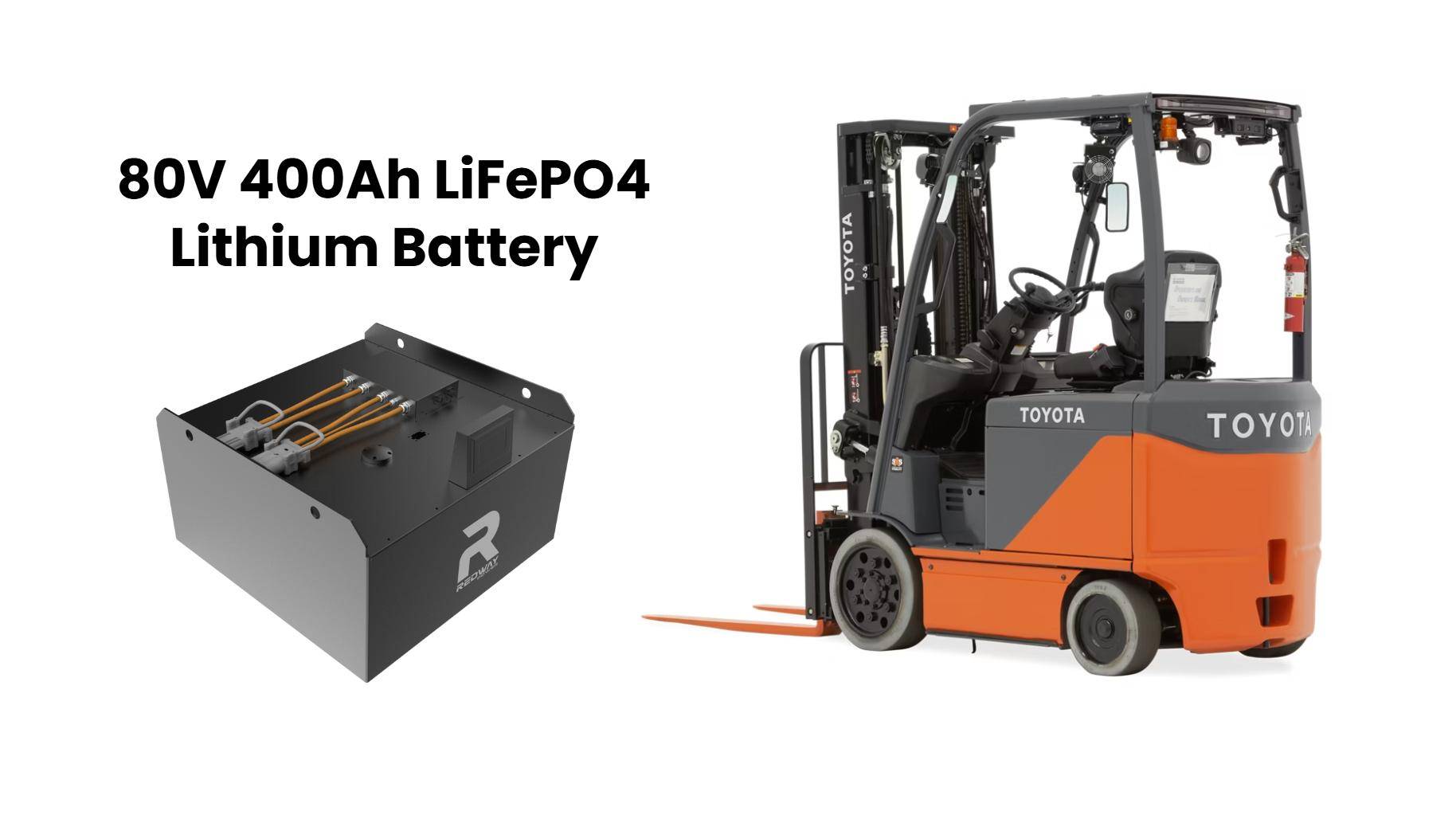
80-volt forklift batteries are industrial-grade power sources designed for heavy-duty material handling equipment. They provide extended runtime, high energy density, and durability for demanding warehouse operations. Key considerations include lifespan optimization, charging protocols, safety standards, and cost-efficiency. Proper maintenance and compatibility with forklift models are critical for maximizing performance and minimizing downtime.
Forklift Lithium Battery Manufacturer
How Do 80 Volt Forklift Batteries Compare to Lower Voltage Options?
80V batteries deliver higher power output and longer runtime compared to 24V or 48V alternatives, making them ideal for heavy loads and continuous shifts. Their higher energy density reduces frequency of charges but requires robust charging infrastructure. Lower voltage batteries are cheaper upfront but less efficient for intensive industrial applications.
What Factors Influence the Lifespan of an 80 Volt Forklift Battery?
Lifespan depends on charge cycles, depth of discharge, maintenance frequency, and operating temperature. Avoiding deep discharges below 20%, using temperature-controlled charging, and performing equalization cycles can extend lifespan to 1,500–2,000 cycles. Sulfation and plate corrosion are primary degradation factors in lead-acid variants, while lithium-ion models face fewer such issues.
Are Lithium-Ion 80 Volt Batteries Better Than Lead-Acid?
Lithium-ion batteries offer faster charging, no maintenance, and 2–3x longer cycle life than lead-acid. They tolerate partial charging without sulfation, reducing downtime. However, they cost 2-4x more upfront. Lead-acid remains popular for budget-focused operations, while lithium-ion suits high-usage environments prioritizing Total Cost of Ownership (TCO).
What Safety Protocols Are Critical for 80 Volt Forklift Batteries?
Key protocols include proper ventilation to prevent hydrogen gas buildup, using PPE during maintenance, and avoiding overcharging. Thermal runaway in lithium-ion batteries requires temperature monitoring systems. OSHA mandates spill containment for lead-acid electrolytes and insulated tools for lithium-ion handling. Regular inspections for corrosion or swelling are non-negotiable.
How Does Charging Infrastructure Impact 80V Battery Performance?
High-frequency chargers with adaptive voltage control minimize heat generation and sulfation. Opportunity charging (partial top-ups) works for lithium-ion but damages lead-acid. Chargers must match battery chemistry: lithium-ion requires CC/CV profiles, while lead-acid needs temperature-compensated voltage. Undersized chargers prolong downtime; oversized ones risk overheating.
| Charger Type | Lead-Aid Compatibility | Lithium-Ion Compatibility | Optimal Charge Time |
|---|---|---|---|
| High-Frequency | Yes | No | 6-8 hours |
| Opportunity | No | Yes | 1-2 hours |
| Smart Adaptive | Yes | Yes | 4-6 hours |
Modern charging systems now incorporate AI algorithms that adjust amperage based on battery age and usage patterns. For example, older lead-acid batteries may receive reduced current during bulk charging phases to prevent overheating. Lithium-ion systems benefit from pulse charging techniques that maintain optimal ion flow between cells. Warehouse managers should conduct quarterly charger compatibility audits, especially when mixing battery types in fleets.
What Emerging Technologies Are Revolutionizing 80V Forklift Batteries?
Solid-state lithium batteries promise 50% higher energy density and enhanced safety. AI-driven battery management systems (BMS) optimize charge cycles using real-time load data. Wireless charging pads enable automated top-ups during idle periods, boosting uptime. Hydrogen fuel cell hybrids are being tested for rapid refueling in multi-shift operations.
Recent advancements include self-healing electrode materials that repair micro-cracks during idle periods, extending cycle life by 30%. Some manufacturers now offer modular battery designs allowing partial replacements of degraded cells instead of full battery swaps. Graphene-enhanced lead-acid batteries are entering markets, offering 40% faster charging while maintaining cost advantages. These innovations are particularly valuable for cold storage facilities where traditional batteries suffer reduced capacity.
“The shift to lithium-ion 80V systems is accelerating,” says a Redway Power Solutions engineer. “Smart BMS integration now predicts maintenance needs by analyzing voltage dips and thermal patterns. Operators using predictive analytics report 18% fewer unplanned downtimes. However, legacy forklifts often require retrofitting for lithium compatibility—a cost many overlook during ROI calculations.”
FAQs
- Can I retrofit my lead-acid forklift with an 80V lithium battery?
- Yes, but it requires upgrading the charger, electrical connectors, and sometimes the forklift’s control system. Consult OEM guidelines to avoid voiding warranties.
- How often should I water lead-acid 80V batteries?
- Check electrolyte levels weekly. Add distilled water after charging, never when discharged, to prevent overflow. Modern systems often include automatic watering to minimize maintenance.
- What’s the average ROI period for lithium-ion forklift batteries?
- Typically 2–4 years, factoring in reduced energy costs, longer lifespan, and lower maintenance. High-throughput warehouses achieve faster returns.
What are the key performance factors of 80V forklift batteries?
80V forklift batteries are designed for heavy-duty applications and provide extended runtime compared to lower-voltage batteries. They are ideal for demanding operations and can handle high-intensity tasks. Their performance is influenced by battery type (lithium-ion or lead-acid), the forklift’s load capacity, and the operational environment.
How long does it take to charge an 80V forklift battery?
Charging time varies by battery type. Lead-acid batteries typically take around 8 hours to fully charge, while lithium-ion batteries can charge much faster, often in 2-3 hours. It’s important to ensure the charger is compatible with the battery type and meets the required voltage specifications.
What safety protocols are required when handling 80V forklift batteries?
Safety protocols for 80V forklift batteries, particularly lead-acid types, include using non-sparking tools, ensuring proper ventilation, and avoiding sparks or open flames around charging areas. For lithium-ion batteries, maintaining proper charging practices and avoiding overcharging or deep discharging is crucial for safety.
How do 80V forklift batteries affect a forklift’s operation?
The weight of an 80V battery plays a key role in a forklift’s performance. A properly sized battery ensures that the forklift has the required counterbalance and lift capacity. Too heavy or too light a battery can negatively affect the forklift’s stability and efficiency.
What is the lifespan of an 80V forklift battery?
The lifespan of an 80V forklift battery depends on the type and usage. Lithium-ion batteries typically last longer (up to 3,000 charge cycles) and require less maintenance compared to lead-acid batteries, which last around 1,500 cycles. The battery’s longevity can be influenced by the charging and maintenance practices.
What are the maintenance requirements for 80V forklift batteries?
80V forklift batteries, especially lead-acid types, require regular maintenance such as checking electrolyte levels, cleaning terminals, and ensuring proper charging cycles. Lithium-ion batteries require less maintenance and can tolerate partial charging, which is ideal for quick turnarounds. Following the “40-80 rule” can help extend the lifespan of lithium-ion batteries.
