

Blog
What Are the Key Types of Forklift Chargers and Their Benefits?

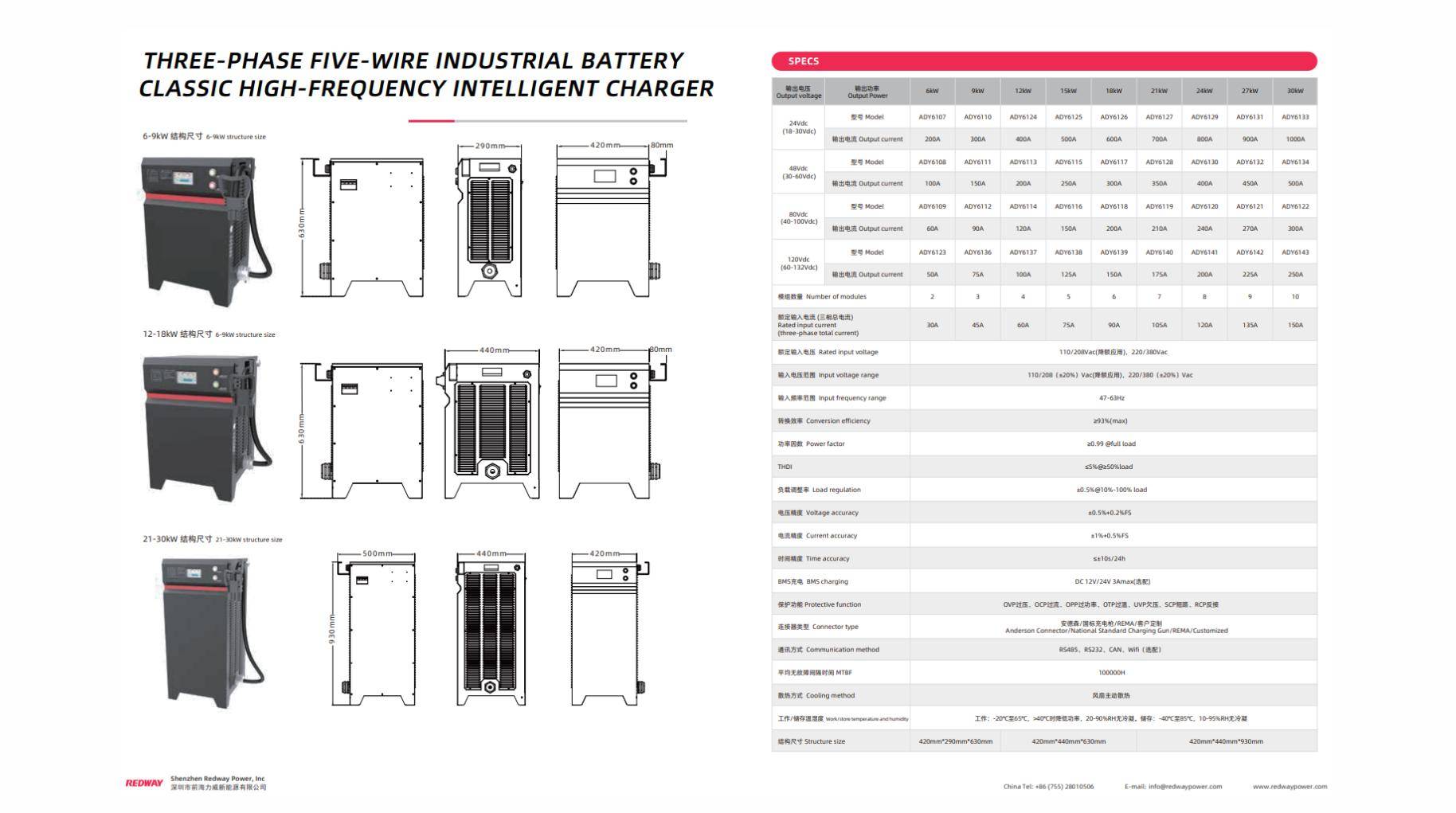
Forklifts depend on various types of chargers—such as single-phase chargers, 36V forklift chargers, 48 volt battery forklift chargers, and 24 volt battery chargers—to maintain optimal performance during operations. Understanding these charger types helps users make informed decisions that enhance efficiency and prolong battery life.
What Are Forklift Battery Chargers?
Forklift battery chargers are specialized devices designed to recharge electric forklift batteries efficiently, ensuring that they operate at peak performance.
What Types of Forklift Battery Chargers Exist?
Forklift battery chargers mainly include conventional chargers, high-frequency chargers, and opportunity chargers. Conventional chargers provide slower, steady charging suitable for overnight use. High-frequency chargers are modern, faster, and more energy-efficient, adapting charging rates based on battery condition. Opportunity chargers allow short, frequent charges during breaks, maximizing forklift uptime. Choosing the right charger depends on your operation’s charging time, battery type, and forklift usage patterns.
There are several types of forklift battery chargers available:
- Single Phase Forklift Charger: Typically used in smaller operations; easy to install.
- 36V Forklift Charger: Designed specifically for charging batteries with a nominal voltage of 36 volts.
- 48 Volt Battery Forklift Charger: Ideal for heavy-duty applications requiring significant power.
- 24 Volt Battery Charger for Forklifts: Commonly used in lighter-duty forklifts; offers flexibility in charging options.
| Type | Voltage | Applications | Charging Speed |
|---|---|---|---|
| Single Phase | Varies | Small operations | Moderate |
| 36V | 36V | Medium-duty forklifts | Fast |
| 48 Volt | 48V | Heavy-duty forklifts | Very Fast |
| 24 Volt | 24V | Light-duty forklifts | Moderate |
How Do You Choose the Right Charger for Your Needs?
Selecting the appropriate charger involves considering factors such as battery voltage, operational demands, and charging infrastructure.
What Maintenance Tips Should You Follow for Forklift Chargers?
Maintain forklift chargers by regularly inspecting cables and connectors for wear or corrosion and keeping the charger clean and dust-free. Ensure proper ventilation around the charger to prevent overheating. Periodically check charger settings and firmware updates if applicable. Avoid physical damage and moisture exposure. Following manufacturer guidelines and scheduling routine inspections prolong charger life and ensure safe, efficient battery charging.
Regular maintenance is vital for ensuring charger longevity:
- Keep connections clean.
- Inspect cables regularly.
- Ensure proper ventilation during charging.
- Monitor charging cycles.
What Advantages Do High-Frequency Charging Systems Offer?
High-frequency charging systems provide faster charging times and improved energy efficiency compared to conventional chargers. They intelligently adjust charging rates based on battery status and temperature, enhancing battery lifespan and performance. These chargers are typically smaller, lighter, and generate less heat, reducing energy waste. Their smart technology supports multiple battery types and improves overall fleet productivity by minimizing downtime.
High-frequency chargers provide several benefits:
- Faster charging times compared to conventional models.
- Improved energy efficiency leading to cost savings.
- Better battery maintenance through advanced charging algorithms.
How Do Voltage Requirements Affect Charger Selection?
Voltage compatibility is crucial; using a charger with incorrect voltage can damage batteries or reduce their lifespan significantly.
What Safety Considerations Should Be Taken into Account?
Safety considerations include ensuring chargers have built-in protections against overcharging, short circuits, and overheating. Use chargers compatible with your battery’s voltage and chemistry to avoid damage. Maintain proper ventilation during charging to prevent gas buildup. Always inspect cables and connectors for damage and avoid water exposure. Following manufacturer safety instructions and using interlock systems reduces risks of accidents and battery hazards.
Safety is paramount when using forklift chargers:
- Ensure proper grounding.
- Use protective equipment while handling batteries.
- Follow manufacturer guidelines during installation.
How Can You Optimize Charging Efficiency?
Optimize charging efficiency by selecting chargers that match your battery’s voltage and capacity, and by using smart chargers that adjust charging based on battery condition. Schedule charging during planned downtime or use opportunity charging to maintain battery levels without overcharging. Keep chargers and batteries clean and well-ventilated, and monitor charging data to identify inefficiencies. Proper charger maintenance and using the right charging method extend battery life and reduce energy costs.
To maximize charging efficiency:
- Implement scheduled charging times.
- Use smart chargers that adjust based on battery condition.
- Regularly monitor charger performance metrics.
Conclusion
Understanding forklift charger types—such as single-phase forklift chargers, 36V forklift chargers, 48 volt battery forklift chargers, and 24 volt battery chargers—is critical for maintaining optimal performance in material handling operations. By following best practices in selection and maintenance, businesses can enhance efficiency while minimizing costs.
Expert Views
“Selecting the right charger can dramatically impact your operational efficiency,” states John Smith, an expert from Redway. “Investing in high-quality charging solutions ensures your equipment runs smoothly and lasts longer.”
FAQ Section
- What is the lifespan of a typical forklift charger?
The lifespan varies but generally ranges from 5 to 10 years with proper maintenance. - Can I use any charger with my forklift?
No, it’s essential to use a charger that matches your battery’s voltage and specifications. - How often should I charge my forklift batteries?
Charge your batteries after each use or when they reach about 20% capacity.