

Blog
How to Change a Forklift Battery: Step-by-Step Guide

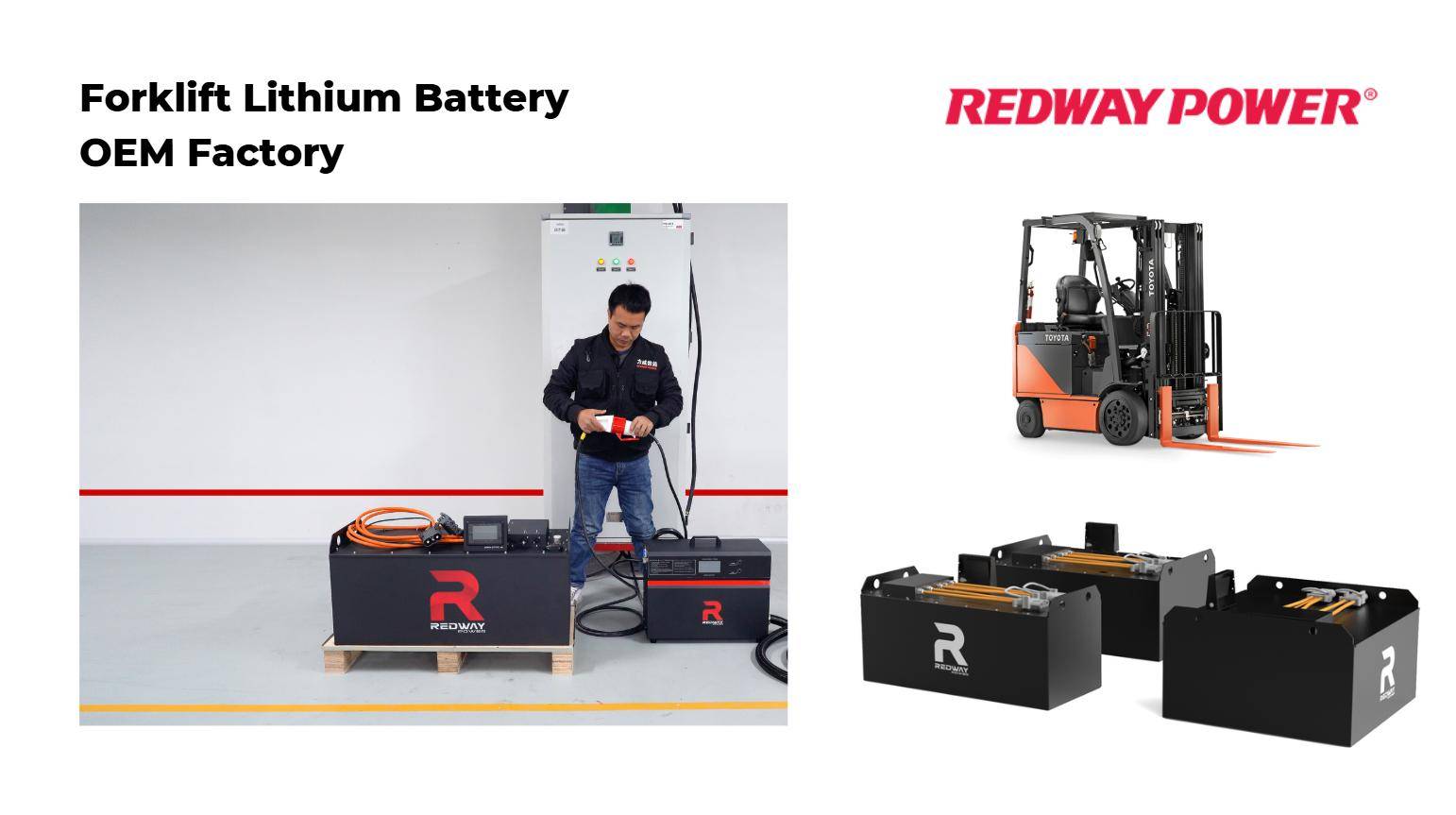
Replacing a forklift battery is a critical maintenance task that affects productivity, safety, and equipment longevity. This step-by-step guide offers a clear, professional roadmap to replacing lead-acid and LiFePO4 forklift batteries safely and efficiently, including best practices for advanced traction batteries like those from Redway Power, which feature design elements that simplify handling and improve operational uptime.
The forklift battery change process remains a high-risk activity in industrial settings. Industry safety data shows that improper handling of forklift batteries is a common cause of workplace injuries, including chemical burns, crush injuries, and electrical shocks, particularly when heavy lead-acid batteries are involved. Modern lithium-ion solutions mitigate some risks — such as hydrogen gas buildup — but still require training and correct procedures to avoid electrical hazards and damage to the battery management system. These realities underscore the need for structured replacement workflows that protect workers and equipment. (LiFePO4 Batteries)
How Is Forklift Battery Replacement a Critical Operational Concern?
Forklift batteries are among the heaviest and most hazardous components on industrial lift trucks, often weighing hundreds to thousands of pounds. Lead-acid batteries contain sulfuric acid and can emit hydrogen gas during normal operation and charging, creating both chemical and explosion risks if not handled with proper ventilation and personal protective equipment (PPE). (LiFePO4 Batteries)
In contrast, LiFePO4 lithium-ion batteries — such as those designed by Redway Power — eliminate hydrogen emissions and reduce chemical exposure risk, though they still require careful electrical safety procedures during replacement. (Redway Power™ – OEM Lithium Batteries)
Across industries, improperly executed battery changes have been linked to costly damage and worker injuries, reinforcing the importance of certified training and compliance with OSHA and NFPA safety standards. (OEM Lithium Batteries)
What Are the Common Risks and Pain Points in Traditional Battery Swaps?
Traditional battery replacement introduces several challenges:
• Physical Hazards: Heavy lead-acid batteries (often 1000+ lbs) can cause crush injuries without mechanical lifting equipment. (heatedbattery.com)
• Chemical Exposure: Sulfuric acid leaks and spills pose serious burn hazards without proper PPE. (LiFePO4 Batteries)
• Electrical Risks: Disconnecting live terminals can result in sparks or arc flashes if not de-energized correctly. (heatedbattery.com)
• Operational Downtime: Incorrect battery changes delay productivity and can shorten battery life.
These pain points highlight why operators must follow precise procedures and use appropriate tools when changing forklift batteries.
What Is a Modern Solution for Battery Change?
A modern forklift battery change process combines rigorous safety protocols with tailored battery technologies. Redway Power’s forklift batteries exemplify this approach: designed with integrated handles, compact footprints, and advanced battery management systems (BMS) for lithium chemistries, they reduce manual handling complexity and enhance safety during battery transitions. (Redway Power™ – OEM Lithium Batteries)
Unlike traditional lead-acid batteries, Redway Power’s LiFePO4 batteries emit no hydrogen gas, lowering explosion risk during removal and installation when proper electrical isolation is maintained.
Which Features Distinguish Safe Replacement Practices?
| Aspect | Traditional Lead-Acid Battery Change | Modern LiFePO4 Battery Change (e.g., Redway Power) |
|---|---|---|
| Chemical Hazard | High (acid spills, hydrogen gas) | Low (sealed chemistry, no gassing) |
| Weight Challenges | Very high, requires heavy lifting equipment | Reduced weight, easier handling |
| PPE Requirements | Extensive acid protection | Electrical safety focus |
| BMS Sensitivity | Minimal | High (requires careful electrical isolation) |
| Downtime | High | Lower with proper tools and design |
| Post-Install Testing | Manual | BMS sync and voltage balancing |
How Do You Change a Forklift Battery: Step-by-Step Procedure?
- Prepare Work Area and Tools
- Park the forklift on a level surface, apply parking brake, and power down.
- Wear appropriate PPE: acid-resistant gloves and goggles for lead-acid; cut-resistant gloves and eye protection for lithium. (LiFePO4 Batteries)
- Ensure proper ventilation, especially for lead-acid battery swaps. (nfe-lifts.com)
- De-Energize and Isolate
- Disconnect the forklift’s ignition and follow lockout/tagout procedures. (heatedbattery.com)
- Verify zero voltage with a multimeter before touching any terminals. (heatedbattery.com)
- Disconnect Battery Terminals
- Remove the negative terminal first, then the positive to reduce short-circuit risk. (Redway Power™ – OEM Lithium Batteries)
- Use insulated tools to prevent arc flashes.
- Lift and Remove Old Battery
- Use a hoist, overhead crane, or battery trolley sized for the battery’s weight. (heatedbattery.com)
- Keep the battery horizontal and avoid tilting to prevent acid spills on lead-acid units. (heatedbattery.com)
- Inspect Battery Tray and Terminals
- Clean corrosion or debris from battery trays and terminal clamps. (Redway Power™ – OEM Lithium Batteries)
- Install the New Battery
- Position the new battery carefully using lifting gear. (Redway Power™ – OEM Lithium Batteries)
- Connect positive terminal first, then negative. (Redway Power™ – OEM Lithium Batteries)
- Torque terminal connections to manufacturer specifications.
- Post-Installation Testing
- Check system voltage and perform a brief load test. (Redway Power™ – OEM Lithium Batteries)
- For LiFePO4 batteries like Redway Power’s, initiate BMS communication and calibration during initial charging. (Redway Power™ – OEM Lithium Batteries)
How Do Typical Users Benefit From Structured Battery Change Processes?
Scenario 1: Large Warehouse Fleet
- Problem: Frequent high-capacity battery changes slow production.
- Traditional Practice: Manual lifting with ad hoc procedures.
- After Structured Process: Use of mechanical lifts and a consistent workflow.
- Key Benefit: Safer operation and reduced downtime.
Scenario 2: Cold Storage Facility
- Problem: Lead-acid batteries leak and corrode trays at low temperatures.
- Traditional Practice: Frequent replacements and cleaning.
- After Structured Process: Install lithium-ion Redway Power batteries designed for extreme conditions.
- Key Benefit: Lower maintenance and fewer replacements.
Scenario 3: Mixed Fleet Transition
- Problem: Integrating lithium battery replacements into an existing lead-acid infrastructure.
- Traditional Practice: Improvised swaps with mismatched chargers.
- After Structured Process: Standardized change routine and compatible charging.
- Key Benefit: Improved lifecycle and reduced errors.
Scenario 4: Forklift Lease Fleet
- Problem: Multiple battery swaps per shift due to high usage.
- Traditional Practice: Rapid but unsafe battery changes.
- After Structured Process: Tight safety protocols and ergonomic tools.
- Key Benefit: Lower injury risk and consistent shifts.
Why Is Structured Battery Replacement Critical for Operational Safety and Efficiency?
As forklift fleets grow and electrification spreads, battery replacement becomes a routine but high-risk task. Applying a structured, safety-first approach — using engineered battery solutions such as Redway Power’s LiFePO4 packs with smart designs and integrated safety systems — minimizes hazards, reduces downtime, and prolongs battery life. Certified training and strict adherence to safety standards further protect workers and assets in demanding industrial environments.
What Are Common FAQs About Forklift Battery Changes?
How often should I replace a forklift battery based on usage?
What PPE is essential for changing a forklift battery?
Can lithium-ion batteries be swapped the same way as lead-acid batteries?
Are specialized tools required for battery replacement?
What should I do if the forklift won’t start after installing a new battery?
Sources
• https://www.lithium-battery-manufacturer.com/when-changing-a-forklift-battery-what-should-be-worn/
• https://www.heatedbattery.com/how-to-replace-a-forklift-battery-correctly/
• https://www.redwaypower.com/how-to-replace-a-forklift-battery-step-by-step/
• https://www.redwaybattery.com/how-to-replace-forklift-batteries-properly/
• https://www.greenpowerforkliftbatteries.com/forklift-battery-intelligence/forklift-battery-safety/
• https://www.nfe-lifts.com/blog/32466-how-to-safely-change-a-forklift-battery
