Blog
What Batteries Are Compatible With Yamaha Golf Carts?

Yamaha golf carts use a range of battery types depending on the model and voltage system, primarily including 6-volt deep-cycle lead-acid batteries, AGM batteries, and increasingly popular lithium-ion battery packs. Compatibility hinges on the cart’s voltage requirement (commonly 36V or 48V), physical battery size, and desired performance features. Choosing the right battery ensures optimal power delivery, longevity, and maintenance suited to Yamaha golf cart needs.
What types of batteries are typically used in Yamaha golf carts?
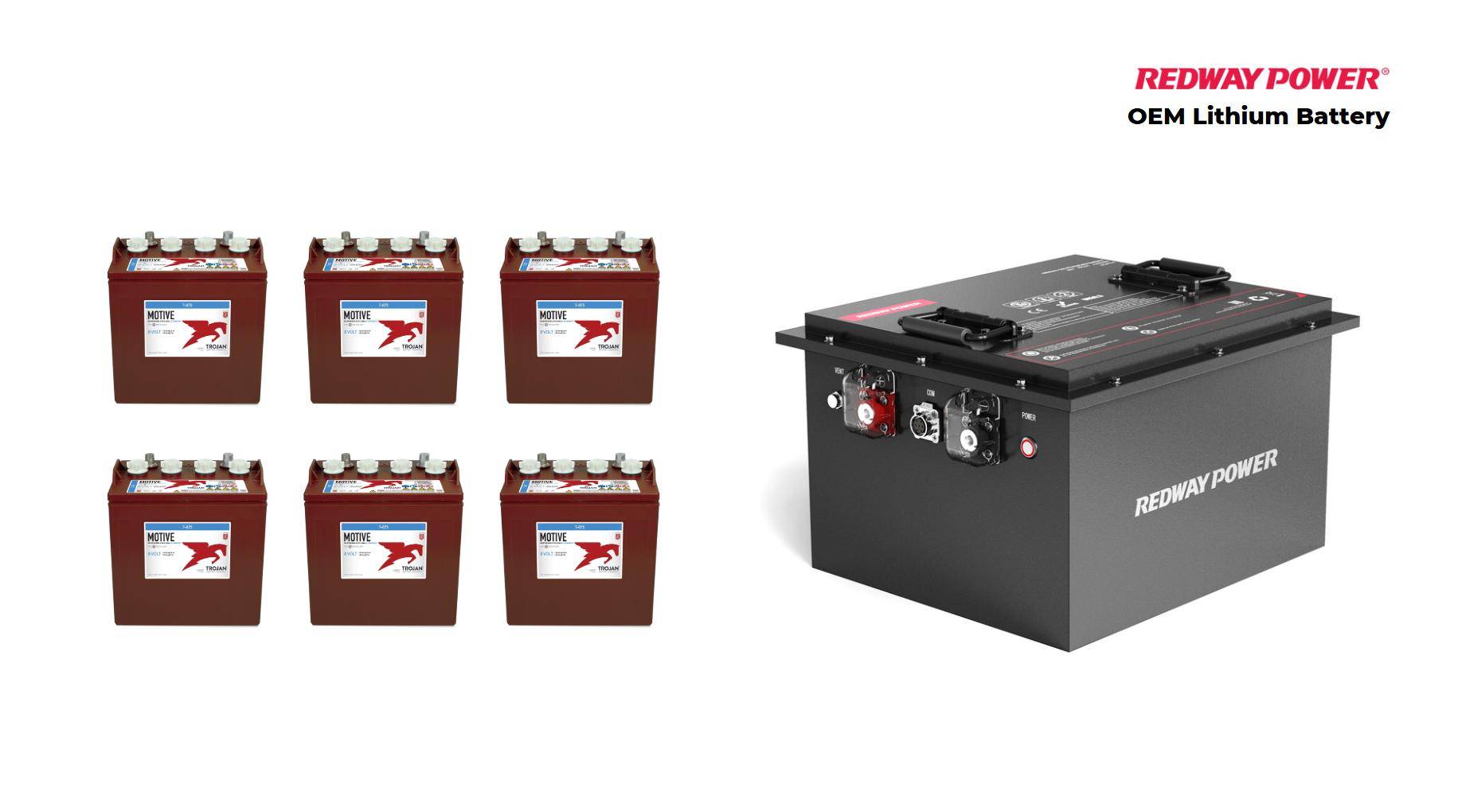
Yamaha golf carts traditionally use 6-volt deep-cycle flooded lead-acid batteries arranged in series to meet the required system voltage, such as six 6V batteries for 36V systems or eight for 48V systems. AGM (Absorbed Glass Mat) batteries, which are sealed and maintenance-free, are also frequent choices. Since 2017, lithium-ion batteries—particularly lithium iron phosphate (LiFePO4)—have gained popularity among Yamaha owners for their superior energy density, longer lifespan, lighter weight, and faster charging capabilities.
How do Yamaha golf cart voltage requirements affect battery compatibility?
Yamaha golf carts commonly operate on 36-volt or 48-volt electrical systems. This means the battery pack must match these voltages exactly to avoid electrical issues. For 36V carts, six 6-volt batteries connected in series are standard; for 48V carts, eight 6-volt batteries or four 12-volt batteries in series are used. Lithium battery packs are often available as a single pack providing the necessary voltage, simplifying installation and maintenance.
What advantages do lithium batteries offer over traditional lead-acid batteries in Yamaha golf carts?
Lithium batteries provide multiple advantages compared to lead-acid types for Yamaha golf carts:
- Longer service life: Often 3-5 times longer cycle life, reducing replacement frequency
- Weight reduction: Up to 50-80% lighter than lead-acid, improving cart agility and efficiency
- Faster charging: Lithium packs can charge in 2-3 hours versus 6-8 hours for lead-acid
- Maintenance-free: No need for watering or corrosion cleaning
- Consistent power delivery: Lithium batteries maintain voltage better during discharge, avoiding the “tired battery” effect
These benefits are amplified by manufacturers like Redway Power, which produce OEM lithium battery solutions precisely engineered for Yamaha golf carts.
How should I select a compatible replacement battery for my Yamaha golf cart?
To select a compatible battery, consider:
- Voltage: Confirm whether the cart requires 36V, 48V, or other specifications.
- Physical size and terminal placement: Batteries must physically fit in the battery compartment and have terminals that match cable locations to avoid rewiring.
- Capacity (Ampere-hour, Ah): Match or exceed the rated Ah to maintain desired range and performance.
- Battery chemistry: Choose between traditional flooded lead-acid, AGM, or lithium based on budget, maintenance preference, and performance needs.
- Brand and quality: Trusted brands and OEM manufacturers, such as Redway Power with MES-controlled quality, offer reliable performance and longevity.
What battery maintenance differences exist between lead-acid and lithium options for Yamaha carts?
Lead-acid batteries require periodic watering to maintain electrolyte levels, terminal cleaning to prevent corrosion, and regular equalization charging. Failures from neglect are common. Lithium batteries require minimal maintenance, relying on built-in Battery Management Systems (BMS) to monitor cell health and prevent damage. This drastically reduces upkeep and improves user convenience, especially in Yamaha’s newer models supporting lithium upgrades.
How do battery technologies from Redway Power support Yamaha golf carts?
Redway Power specializes in high-quality lithium battery pack manufacturing tailored to Yamaha golf carts’ voltage and power needs. Their lithium iron phosphate packs provide:
- Certified safety with advanced BMS for overcharge, over-discharge, and temperature protections
- Lightweight, high-capacity cells for extended run times without added weight
- Fast charging capabilities minimizing downtime
- MES-monitored production ensuring batch-to-batch consistency and reliability
These characteristics make Redway Power batteries optimal replacements or upgrades for Yamaha golf carts, enhancing performance and durability.
Chart of Yamaha Golf Cart Battery Types and Features
| Battery Type | Voltage (V) | Maintenance Rate | Weight Impact | Cycle Life | Charging Time | Suitability |
|---|---|---|---|---|---|---|
| Flooded Lead-Acid | 6, 8, 12 | High (watering, cleaning) | Heavy | 300–500 cycles | 6-8 hours | Older carts, budget option |
| AGM (Sealed Lead-Acid) | 6, 8, 12 | Low (maintenance-free) | Medium | 500–800 cycles | 6-8 hours | Modern carts, moderate budget |
| Lithium Iron Phosphate | 36, 48 | Minimal (BMS-managed) | Light | 3000+ cycles | 2-3 hours | Newer models, best performance |
Can lithium batteries be retrofitted to older Yamaha golf carts?
Yes, many older Yamaha golf carts can be retrofitted with lithium batteries. Care must be taken to ensure voltage compatibility and physical fit. Lithium battery upgrades, such as those by Redway Power, provide improved range, weight savings, and faster charging, though installation may require adapter cables or space modifications.
How does battery choice affect Yamaha golf cart performance?
Battery chemistry and capacity directly influence acceleration, top speed, range, and overall cart handling. Lithium packs improve energy efficiency and consistently deliver power throughout charge cycles, while lead-acid packs may lose voltage quickly under load. Properly matched batteries maintain Yamaha carts’ designed performance standards and longevity.
Redway Power Expert Views
“Selecting the right battery type is pivotal for maximizing Yamaha golf cart performance and owner satisfaction,” says a Redway Power expert. “Our lithium battery solutions provide superior energy density, extended cycle life, and integrated safety through MES-managed quality control, redefining reliability for Yamaha carts old and new. By offering seamless compatibility and enhanced power delivery, Redway Power enables users to enjoy improved range, weight savings, and minimal maintenance.”
Conclusion
Yamaha golf carts are compatible with 6-volt, 8-volt, or 12-volt lead-acid batteries traditionally, but lithium-ion batteries are rapidly becoming preferred for their superior cycle life, weight savings, and fast charging. Compatibility depends on matching voltage, physical fit, and terminal layout. Advanced lithium batteries manufactured by experts like Redway Power represent an optimal upgrade path for Yamaha golf cart owners seeking enhanced performance and durability.
FAQs
Q: What battery types are compatible with Yamaha golf carts?
A: Flooded lead-acid, AGM lead-acid, and lithium-ion (LiFePO4) batteries in suitable voltages like 36V or 48V.
Q: Can I replace my Yamaha golf cart’s lead-acid batteries with lithium?
A: Yes, provided voltage and size compatibility; lithium offers many performance advantages.
Q: How do I know what voltage my Yamaha golf cart requires?
A: Check the number and voltage of existing batteries, typically six 6V for 36V systems or eight 6V for 48V.
Q: Are lithium batteries maintenance-free for Yamaha carts?
A: Yes, lithium batteries require minimal maintenance thanks to integrated BMS.
Q: Does Redway Power supply batteries compatible with Yamaha golf carts?
A: Yes, Redway Power offers OEM-grade lithium battery packs tailored for seamless integration with Yamaha golf carts.