

Blog
What Does a 100Ah Battery Indicate About Its Capacity?

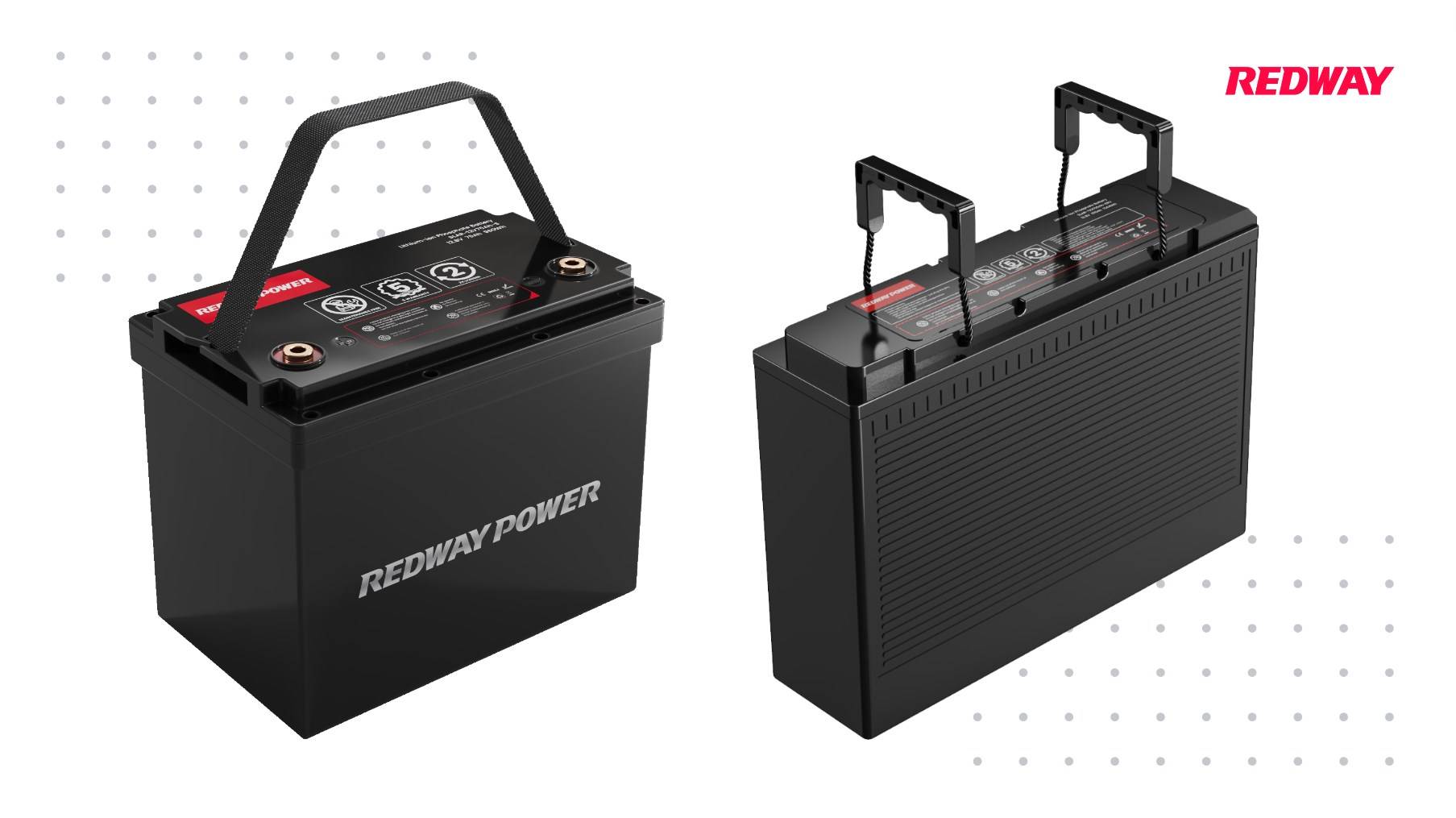
A 100Ah battery signifies that it can deliver 100 amperes of current for one hour or equivalent amounts over extended periods, such as 10 amps for 10 hours or 1 amp for 100 hours. Understanding this rating is essential for effectively utilizing batteries in various applications like RVs and solar energy systems.
What Does 100Ah Mean for a Battery?
The term “100Ah” refers to the capacity of the battery, indicating its ability to supply current over time. Specifically, it means that under ideal conditions, the battery can provide 100 amps for one hour before being fully discharged.
How Is Battery Capacity Measured?
Battery capacity is measured in amp-hours (Ah), which quantifies how much charge a battery can store and deliver over time. This measurement is crucial for determining how long devices can operate on stored energy.
What Are Practical Applications of a 100Ah Battery?
A 100Ah battery is versatile and commonly used in:
- Recreational Vehicles (RVs): Powering lights, appliances, and other electrical systems.
- Solar Power Systems: Storing energy generated during sunny days for use when sunlight is unavailable.
- Backup Power Supplies: Providing emergency power during outages.
What Factors Affect the Effective Capacity of a 100Ah Battery?
Several factors influence how effectively a battery’s capacity can be utilized:
- Discharge Rate: Higher discharge rates can reduce effective capacity.
- Temperature: Extreme temperatures can impact performance; cold may reduce capacity while heat may accelerate degradation.
- Battery Age: Older batteries may not hold charge as well as new ones.
How Do Different Discharge Rates Impact Runtime?
The runtime of a 100Ah battery varies with discharge rates:
- At lower loads (e.g., 5 amps), it can last up to 20 hours.
- At higher loads (e.g., 50 amps), it may only last about 2 hours, due to increased internal resistance and efficiency losses.
What Is the Relationship Between Voltage and Amp-Hours?
The total energy storage capability of a battery can be calculated by multiplying its voltage by its amp-hour rating:
For instance, a typical 12V, 100Ah battery stores 12V×100Ah=1200Wh
How Do You Calculate Runtime for Devices Using a 100Ah Battery?
To calculate runtime:
- Determine the load in watts.
- Convert watts to amps using:
- Use the formula:
For example, if powering a device that uses 60 watts, it would run approximately 1200Wh60W=20 hours.
What Are Common Misconceptions About Amp-Hour Ratings?
Common misconceptions include:
- Assuming that all batteries will deliver their rated capacity under any condition without considering load and environmental factors.
- Believing that higher Ah ratings always mean better performance without regard to application needs.
What Are the Benefits of Using a 100Ah Battery?
Benefits include:
- Sufficient capacity for various applications without excessive weight.
- Versatility across different devices and systems.
- Availability in multiple chemistries (lead-acid, lithium) catering to different needs.
How to Maintain Optimal Performance of a 100Ah Battery?
To maintain optimal performance:
- Regularly check voltage levels and connections.
- Avoid deep discharges; keep within recommended depth of discharge limits.
- Store batteries in moderate temperatures to prevent damage from extremes.
What Are the Different Types of Batteries Rated at 100Ah?
Various types rated at 100Ah include:
- Lead-Acid Batteries: Widely used due to affordability but heavier.
- AGM Batteries: Maintenance-free with better performance under stress.
- Lithium-Ion Batteries: Lighter with longer lifespan but more expensive.
Expert Views:
“Understanding what ‘100Ah’ means is vital for anyone using batteries,” states an energy solutions expert. “Proper knowledge allows users to select appropriate batteries based on their specific power needs.”
FAQ Section
- Can I rely on my 100Ah battery until it’s fully drained?
- It’s not recommended; deep discharges can damage lead-acid batteries and reduce their lifespan.
- How often should I check my battery’s performance?
- Regular checks are advisable every month or before significant usage periods to ensure optimal performance.
- What happens if I exceed my battery’s rated load?
- Exceeding the rated load can lead to overheating and potential damage, reducing both efficiency and lifespan.