

Blog
What Is a Class 31 Battery?

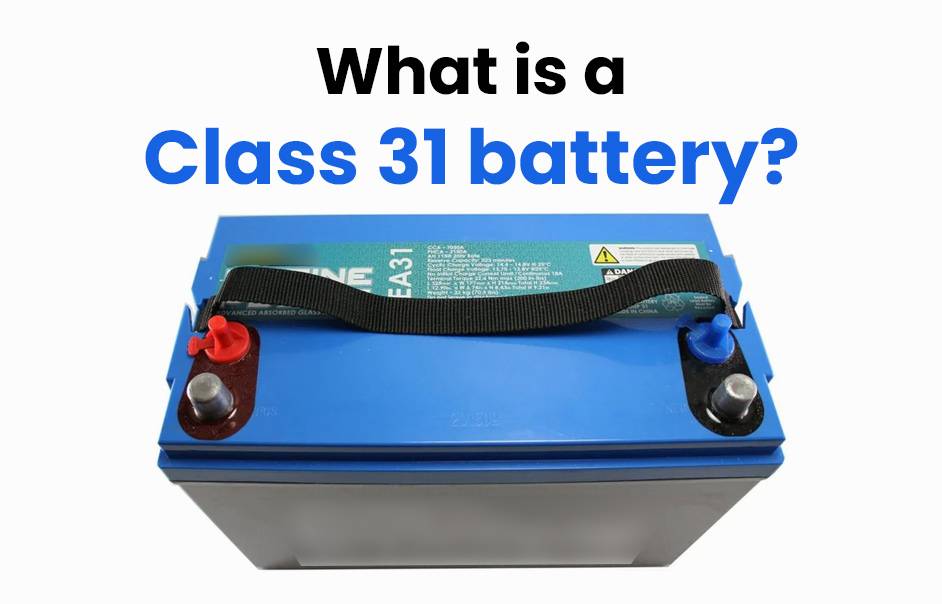
A Class 31 battery is a standardized lead-acid or lithium-ion battery commonly used in various applications, including marine, automotive, and renewable energy systems. Known for their robust design and high capacity, these batteries provide reliable power for demanding tasks. Understanding their specifications and uses can help consumers choose the right battery for their needs.
What are the specifications of a Class 31 battery?
Class 31 batteries typically have specific dimensions and performance characteristics:

- Dimensions: Approximately 13 x 6.8 x 9.4 inches (330 x 173 x 240 mm).
- Capacity: Generally ranges from 75 Ah to 125 Ah, depending on the manufacturer.
- Cold Cranking Amps (CCA): Usually between 700 and 1,150 amps, providing strong starting power.
| Specification | Typical Values |
|---|---|
| Dimensions | ~13 x 6.8 x 9.4 inches |
| Capacity | 75 Ah to 125 Ah |
| Cold Cranking Amps | Between 700 and 1,150 amps |
What applications are suitable for Class 31 batteries?
Class 31 batteries are versatile and used in various applications:
- Marine Use: Ideal for powering boats and other marine equipment.
- Automotive: Commonly found in trucks and heavy-duty vehicles.
- Renewable Energy Systems: Used in solar power setups for energy storage.
- Recreational Vehicles (RVs): Provides reliable power for appliances and electronics.
How do Class 31 batteries compare to other battery types?
Class 31 batteries offer several advantages compared to other types:
- Higher Capacity: They generally provide more power than smaller group sizes like Group 24 or Group 27.
- Durability: Designed to withstand harsh conditions, making them suitable for demanding environments.
- Versatility: Their broad range of applications makes them popular across various industries.
| Comparison Factor | Class 31 Battery | Other Battery Types |
|---|---|---|
| Capacity | Higher (75 Ah -125 Ah) | Lower (typically <75 Ah) |
| Durability | Rugged design | Varies by type |
| Versatility | Wide range of applications | More specialized uses |
What features distinguish Class 31 batteries from others?
Class 31 batteries come with specific features that set them apart:
- Dual-Purpose Design: They can function as both starting and deep-cycle batteries.
- High Reserve Capacity: Typically offering between 150 to over 220 minutes of reserve capacity.
- Resistance to Vibration: Built to endure vibrations common in marine and automotive environments.
How does the performance of Class 31 batteries vary by brand?
Performance can vary significantly among brands due to differences in manufacturing quality, materials used, and design features. Some brands may offer enhanced durability or longer lifespans through superior technology or materials, while others may focus on cost-effectiveness.
What are the advantages of using Class 31 batteries in various applications?
The advantages include:

- Reliable Power Supply: High capacity ensures consistent power delivery for demanding tasks.
- Versatile Applications: Suitable for marine, automotive, RVs, and renewable energy systems.
- Long Lifespan: With proper maintenance, these batteries can last several years.
What is the typical lifespan of a Class 31 battery?
The typical lifespan of a well-maintained Class 31 battery ranges from three to five years, depending on usage patterns and environmental conditions. Regular maintenance practices can help extend this lifespan.
How do you maintain a Class 31 battery for optimal performance?
To ensure optimal performance and longevity:
- Regular Charging: Keep the battery charged to avoid deep discharges.
- Clean Terminals: Regularly check and clean terminals to prevent corrosion.
- Store Properly: If not in use, store in a cool, dry place away from extreme temperatures.
Tips for Battery Wholesale Buyers
When sourcing or considering OEM orders for lithium-ion or lead-acid technologies related to Group/Class 31 batteries, keep these points in mind:
- Quality Assurance: Ensure suppliers provide high-quality products that meet industry standards.
- Compatibility: Verify that batteries are suitable for various models and applications.
- Manufacturer Reliability: Choose reputable manufacturers like Redway Power, known for their quality lithium-ion solutions.
To place OEM orders with a reliable manufacturer like Redway Power, follow these steps:
- Research potential suppliers based on product quality and reviews.
- Contact them directly to discuss your specific needs.
- Confirm customization options to ensure compatibility with your applications.
Redway Power Expert Views
“Understanding the specifications and maintenance needs of Group/Class 31 batteries is essential for maximizing their efficiency and lifespan across diverse applications. At Redway Power, we focus on delivering innovative solutions that enhance user experience while ensuring safety.”
FAQ Section
- What is a Class 31 battery?
A Class 31 battery is a standardized lead-acid or lithium-ion battery commonly used in marine, automotive, and renewable energy systems. - What applications are suitable for Class 31 batteries?
These batteries are ideal for marine use, RVs, heavy-duty vehicles, and solar power systems due to their high capacity and durability. - How long does a Class 31 battery typically last?
With proper maintenance, a Class 31 battery can last between three to five years.
