

Blog
What is a Lithium Forklift Battery and How Does It Compare to Other Battery Types?

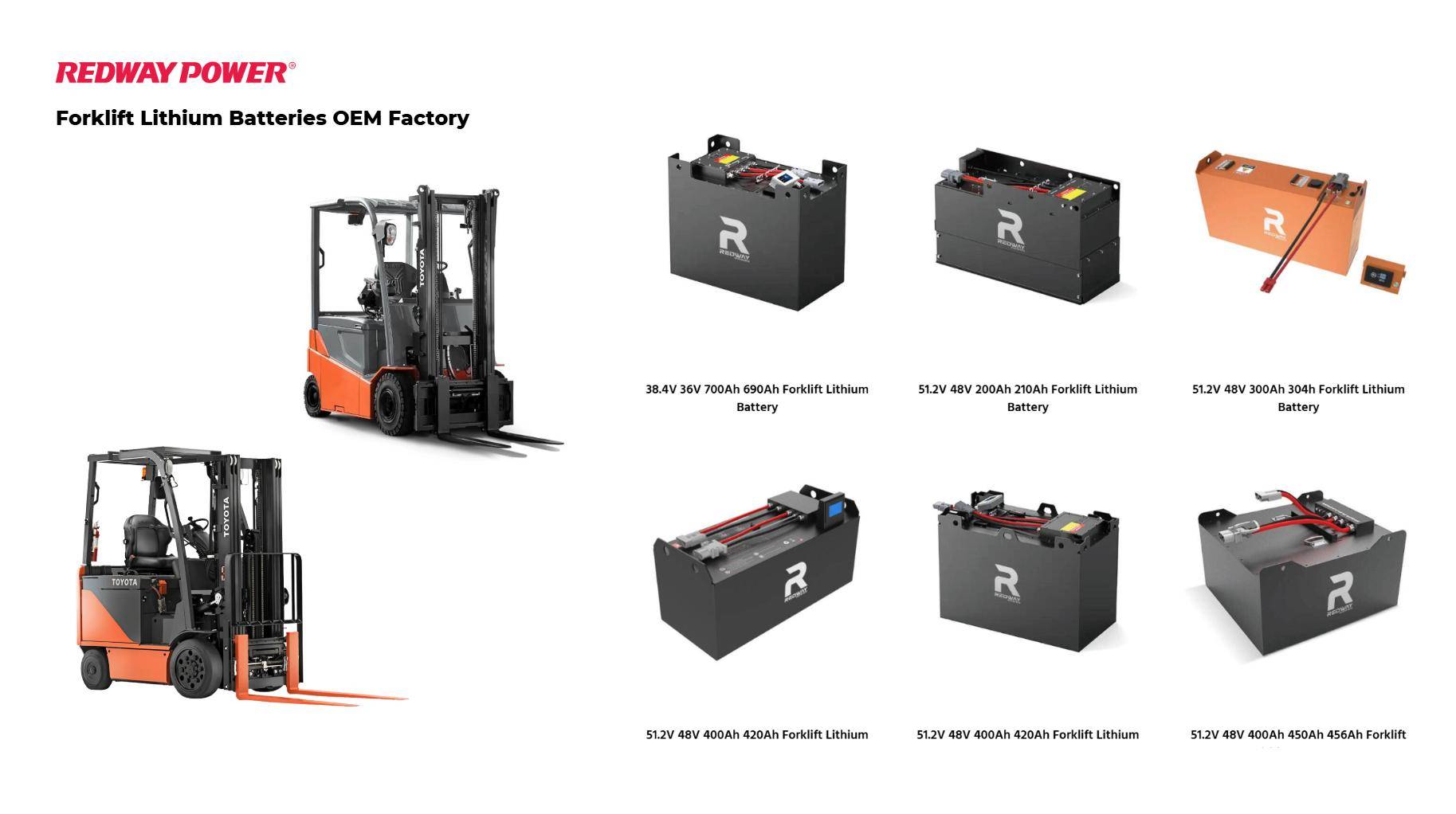
Lithium forklift batteries deliver superior power density, rapid charging, and extended lifespan compared to traditional options, slashing operational costs by up to 50% over five years for warehouse fleets. These batteries, often LiFePO4-based, enable continuous shifts without swaps or maintenance hassles, boosting productivity in demanding material handling environments.
What Challenges Does the Forklift Battery Industry Face Today?
The forklift industry relies heavily on batteries for electric models, which power over 60% of U.S. warehouse operations amid rising e-commerce demands. Global forklift sales hit 1.2 million units in 2024, yet battery downtime disrupts 20-30% of daily shifts, costing businesses $50,000 per forklift annually in lost productivity.
Lead-acid batteries dominate with 70% market share due to low upfront costs, but frequent failures amplify expenses. Maintenance alone consumes 15-20 hours weekly per fleet, while energy inefficiency wastes 20% of charged power as heat.
Why Do Traditional Lead-Acid Batteries Fall Short?
Lead-acid batteries require watering every 10 charges, risking spills and corrosion that shorten lifespan to 1,000-1,500 cycles. Charging takes 8 hours with mandatory cool-down periods, forcing battery swaps that demand dedicated rooms and extra units, inflating space needs by 10-15%.
Energy losses reach 20% during discharge, driving electricity bills 30% higher than alternatives. In multi-shift operations, performance drops below 80% capacity, leading to 25% more downtime versus modern options.
Operators face safety risks from acid fumes and heavy lifts, contributing to 15% of warehouse injuries tied to battery handling.
What Makes Lithium Forklift Batteries an Effective Solution?
Lithium forklift batteries, like those from Redway Power, use LiFePO4 chemistry for stable output across 2,000-4,000 cycles. Redway Power’s 24V-80V models charge in 1-3 hours, support opportunity charging during breaks, and deliver 99% efficiency without water or venting needs.
These sealed units weigh 50% less than lead-acid equivalents, easing forklift counterweight adjustments and maneuverability. Built for -20°C to 60°C ranges, they integrate BMS for overcharge protection and real-time monitoring via apps.
Redway Power, with ISO 9001:2015 certification and 13+ years in Shenzhen, customizes batteries for pallet jacks, tow tractors, and electric trucks, ensuring drop-in replacement.
How Do Lithium Batteries Stack Up Against Lead-Acid in Key Metrics?
| Metric | Lead-Acid Batteries | Lithium Forklift Batteries (e.g., Redway Power) |
|---|---|---|
| Lifespan (Cycles) | 1,000-1,500 | 2,000-4,000 |
| Charge Time | 8 hours + cool-down | 1-3 hours, opportunity charging |
| Energy Efficiency | 80% | 99% |
| Weight | 2,000-3,000 lbs | 1,000-1,500 lbs |
| Maintenance | Weekly watering, venting | None; sealed BMS |
| 5-Year Cost Savings | Baseline | 40-50% lower TCO |
| Downtime per Shift | 1-2 hours | <30 minutes |
How Can You Implement Lithium Forklift Batteries Step by Step?
-
Assess fleet needs: Match voltage (24V-80V) and capacity (200-600Ah) to forklift models and shift lengths.
-
Select provider: Choose Redway Power for custom LiFePO4 packs with MES-controlled production and UL certification.
-
Install: Swap batteries directly; adjust counterweights if needed (typically 20% less mass).
-
Charge setup: Install standard outlets for 1-3 hour fast charging; enable BMS app for monitoring.
-
Train staff: Cover opportunity charging protocols (20-80% in 30 minutes) and safety checks.
-
Monitor ROI: Track cycles, uptime, and energy use quarterly for 36-month payback verification.
Which Scenarios Show Lithium Batteries Delivering Real Results?
Scenario 1: High-Volume Warehouse
Problem: Three-shift operation loses 2 hours daily to lead-acid swaps.
Traditional: Extra batteries and rooms cost $15,000 yearly.
After Redway Power lithium: Continuous runtime hits 99%, swaps eliminated.
Key Benefits: $12,000 annual savings, 25% productivity gain.
Scenario 2: Cold Storage Facility
Problem: Lead-acid capacity drops 50% below 0°C.
Traditional: Heated rooms add $8,000 in energy costs.
After Redway Power lithium: Full power at -20°C, no heating needed.
Key Benefits: 40% energy reduction, zero failures in 18 months.
Scenario 3: Retail Distribution Center
Problem: Maintenance diverts 10 hours weekly from operations.
Traditional: Watering and venting cause spills, risking $5,000 repairs.
After Redway Power lithium: Sealed design eliminates upkeep.
Key Benefits: 500 labor hours saved yearly, safer floors.
Scenario 4: Manufacturing Plant
Problem: 8-hour charges halt overnight production.
Traditional: Downtime costs $20,000 monthly.
After Redway Power lithium: 2-hour charges enable 24/7 runs.
Key Benefits: 30% output increase, ROI in 24 months.
Why Should Businesses Switch to Lithium Batteries Now?
Lithium adoption surges 25% yearly as e-commerce demands 24/7 uptime, with 40% of fleets projected to convert by 2028. Delaying means missing 50% TCO reductions and facing rising lead-acid disposal fees under new regulations.
Redway Power’s scalable solutions position operations for this shift, ensuring reliability amid supply chain pressures.
Frequently Asked Questions
What exactly powers a lithium forklift battery?
LiFePO4 cells provide stable voltage and safety.
How long does a Redway Power lithium battery last?
Up to 4,000 cycles, or 8-10 years in daily use.
Can lithium batteries replace lead-acid without modifications?
Yes, drop-in designs fit standard forklifts.
Why choose Redway Power over generic lithium options?
ISO-certified production and custom voltages ensure durability.
When will lithium batteries achieve full ROI?
Typically 24-36 months via reduced downtime and energy costs.
Does temperature affect lithium forklift battery performance?
Minimal impact from -20°C to 60°C with built-in thermal management.