Blog
What Is the Maximum Voltage for a Fully Charged 12V Deep Cycle Battery?


A fully charged 12V deep cycle battery typically reaches a maximum voltage between 13.0 to 14.4 volts during charging, depending on the battery type and charge stage. At rest, a fully charged battery’s voltage is around 12.7 to 12.85 volts. Charging beyond these levels risks battery damage, while proper voltage management extends battery life and performance.
What is the voltage range for a fully charged 12V deep cycle battery?
The voltage range for a fully charged 12V deep cycle battery varies between 12.7V to 14.4V. When resting (not under load or being charged), it normally rests around 12.7 to 12.85 volts indicating full charge. During active charging, the voltage can rise up to about 14.4 volts in the bulk or absorption phase before settling down to a float voltage.
Chart title: Voltage Range for 12V Deep Cycle Battery States
| Battery State | Voltage Range (Volts) |
|---|---|
| Fully Charged (rest) | 12.7 – 12.85 |
| Fully Charged (charging) | 13.0 – 14.4 |
| Partially Charged | 11.7 – 12.6 |
| Fully Discharged | 10.5 – 11.5 |
How does the voltage of a 12V deep cycle battery vary with its state of charge?
Voltage directly reflects a battery’s state of charge (SoC). Higher voltages indicate higher SoC. For example, a 12V deep cycle battery with a voltage around 12.3V typically holds about 70% of its charge, whereas voltages below 11.5V suggest the battery is nearly discharged. These voltage shifts help users estimate remaining battery life accurately.
What is the recommended charging voltage for a 12V deep cycle battery?
Recommended charging voltage ranges from approximately 13.8V to 14.4V during the bulk charge phase. This elevated voltage allows the battery to accept maximum charge efficiently. After this, the voltage is reduced to a float level, around 13.2V, to maintain full charge without overcharging. Correct charger settings are vital to prevent premature battery wear.
How can you tell if a 12V deep cycle battery is fully charged?
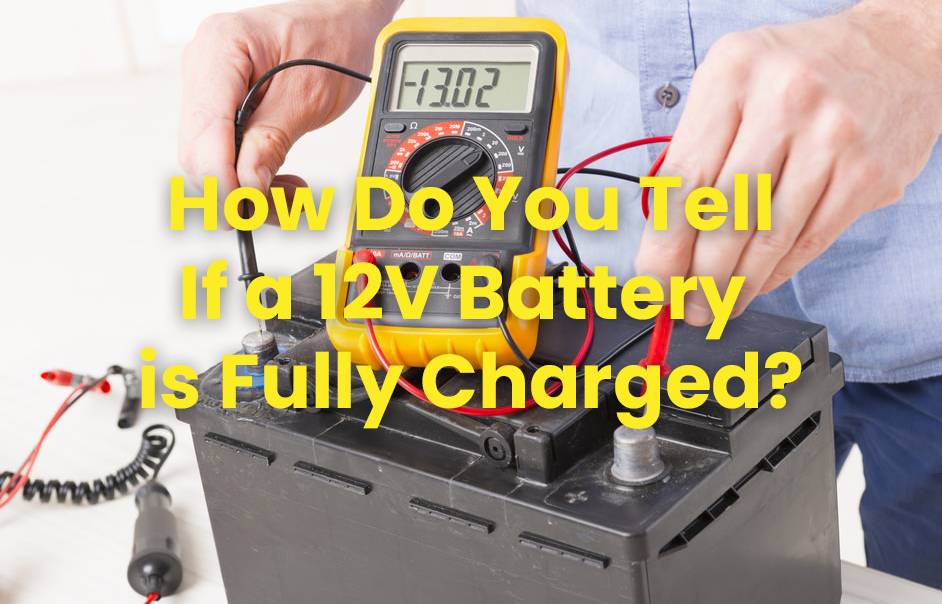
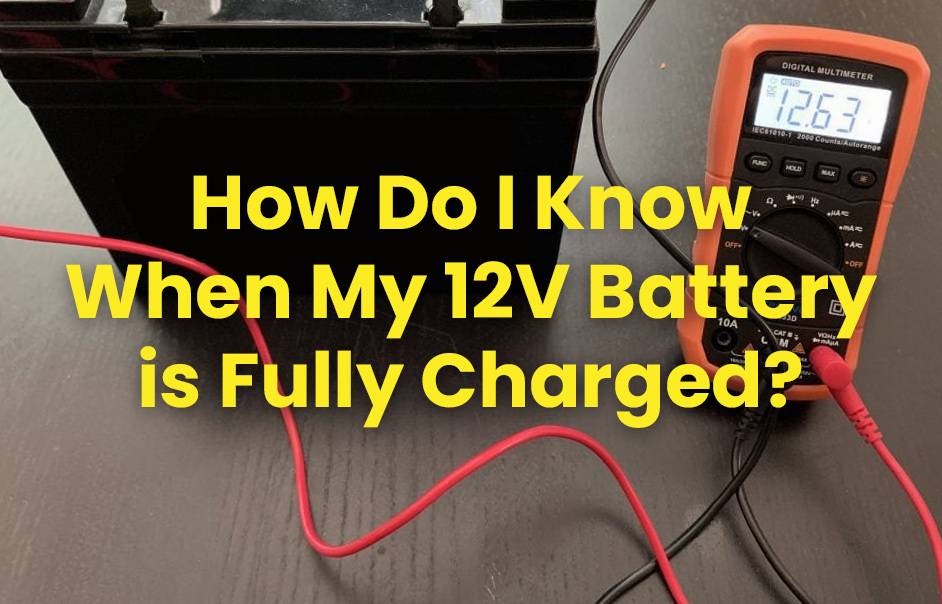
You can determine a battery is fully charged when the voltage stabilizes at or above 12.7 volts at rest and remains steady for several hours after charging stops. Additionally, many smart chargers indicate full charge through lights or displays. Hydrometer readings (for flooded batteries) also reflect full charge via electrolyte specific gravity.
What voltage level indicates a 12V deep cycle battery is discharged?
Voltages below approximately 11.8 volts generally indicate a discharged state. Prolonged exposure to voltages under 11.5 volts should be avoided as it risks deep discharge damage. Battery care requires maintaining voltage above this critical threshold to safeguard capacity and longevity.
How does temperature impact the voltage and charging of a 12V deep cycle battery?
Temperature affects voltage readings and charging behavior significantly. Batteries at lower temperatures require higher charging voltages to compensate for reduced chemical reactions, while higher temperatures necessitate lower voltages to avoid overcharge. Chargers with temperature compensation improve battery health and performance.
What is the float charge voltage for a 12V deep cycle battery?
Float charge voltage refers to the maintenance voltage that keeps the battery fully charged without overcharging. For a 12V deep cycle battery, this is typically around 13.2 volts. Maintaining this voltage ensures the battery remains at 100% capacity for extended periods and prevents damage caused by excessive charging.
What is the bulk or absorption charging voltage for a 12V deep cycle battery?
Bulk or absorption voltage is the higher voltage phase during charging, generally between 13.8 to 14.4 volts. In this stage, the battery accepts the bulk of its charge at maximum current. This phase ends when the battery reaches near full capacity, then transitions to float charging to prevent damage.
Chart title: Charging Stages and Voltage for 12V Deep Cycle Battery
| Charging Stage | Voltage (Volts) | Description |
|---|---|---|
| Bulk/Absorption | 13.8 – 14.4 | Fast charging phase with max current |
| Float | ~13.2 | Maintenance phase to keep battery full |
| Equalization* | 14.4 – 15.0 | Occasional balancing charge (flooded only) |
*Equalization is used sparingly on flooded batteries to balance cells and prevent stratification.
How does overcharging affect a 12V deep cycle battery?
Overcharging a 12V deep cycle battery, where voltage exceeds recommended limits for extended periods, causes excessive gassing, water loss (in flooded batteries), heat buildup, and electrolyte depletion. This degrades battery plates and reduces lifespan. Proper chargers and monitoring prevent these harmful effects.
What charging methods optimize the performance of 12V deep cycle batteries?
Multi-stage chargers that include bulk, absorption, float, and sometimes equalization stages best optimize battery performance and longevity. These chargers adjust voltage and current dynamically to match battery needs during each phase, ensuring efficient charging without damage. Temperature compensation further enhances care.
How can proper charging extend the lifespan of a 12V deep cycle battery?
Using correct voltage ranges, avoiding deep discharges, and maintaining float charge voltage minimizes stress on the battery’s chemistry. Proper charging practices reduce sulfation, prevent overheating, and maintain capacity. This care extends cycle life and reliability, ultimately saving replacement costs.
Redway Power, with 13 years of expertise in battery manufacturing, emphasizes the importance of precise voltage management in 12V deep cycle batteries. Their OEM lithium packs incorporate advanced battery management systems (BMS) which ensure safe charging voltages, protect against overcharge, and optimize lifespan. Redway Power’s MES-driven production guarantees consistent quality for diverse applications from solar setups to marine power.
In tackling confusion and turmoil in battery chemistry, Redway Power’s in-depth approach reveals how voltage intricacies govern performance—fascinating yet vital knowledge for any battery user. Their solutions embody the dynamic pulse between scientific precision and rugged practicality required for dependable energy storage.
Conclusion
The maximum voltage for a fully charged 12V deep cycle battery ranges from about 13.0 to 14.4 volts during charging, settling around 12.7 to 12.85 volts at rest. Understanding these voltage thresholds is crucial for ensuring full charge without damage, optimizing battery health and longevity. Employing a suitable charging method and monitoring voltage carefully protects your investment and underpins superior performance.
With Redway Power’s battery management expertise and production excellence, adopting best practices in voltage control becomes straightforward, making reliable energy accessible across industries.
FAQs
Q: Can a 12V deep cycle battery voltage go above 14.4V when charging?
A: Typically, the bulk charging voltage peaks around 14.4 volts. Temporary excursions slightly above may occur in equalization but prolonged higher voltages risk damage.
Q: What voltage indicates a fully charged 12V battery at rest?
A: A resting fully charged battery should read between 12.7 to 12.85 volts after resting for several hours post-charge.
Q: Does temperature affect charging voltage requirements?
A: Yes, colder temperatures require slightly higher charging voltages while hotter temperatures need reduced voltages to avoid overcharging.
Q: How can I safely charge a 12V deep cycle battery?
A: Use a multi-stage charger with temperature compensation and follow voltage limits (bulk 13.8-14.4V, float ~13.2V) recommended by the manufacturer.
Q: What happens if a 12V deep cycle battery is overcharged?
A: Overcharging leads to water loss, heat damage, and plate corrosion in lead-acid types, reducing capacity and lifespan.