Blog
What Is Stationary Energy Storage and How Does It Power the Future?

Stationary energy storage refers to large-scale systems that store electricity for later use, stabilizing grids and supporting renewable energy integration. These systems, including lithium-ion batteries and flow batteries, enable energy access during peak demand or outages. They are critical for decarbonizing power systems and enhancing grid reliability, making renewable energy viable 24/7.
How Do Lithium-Ion Batteries Dominate Stationary Energy Storage?
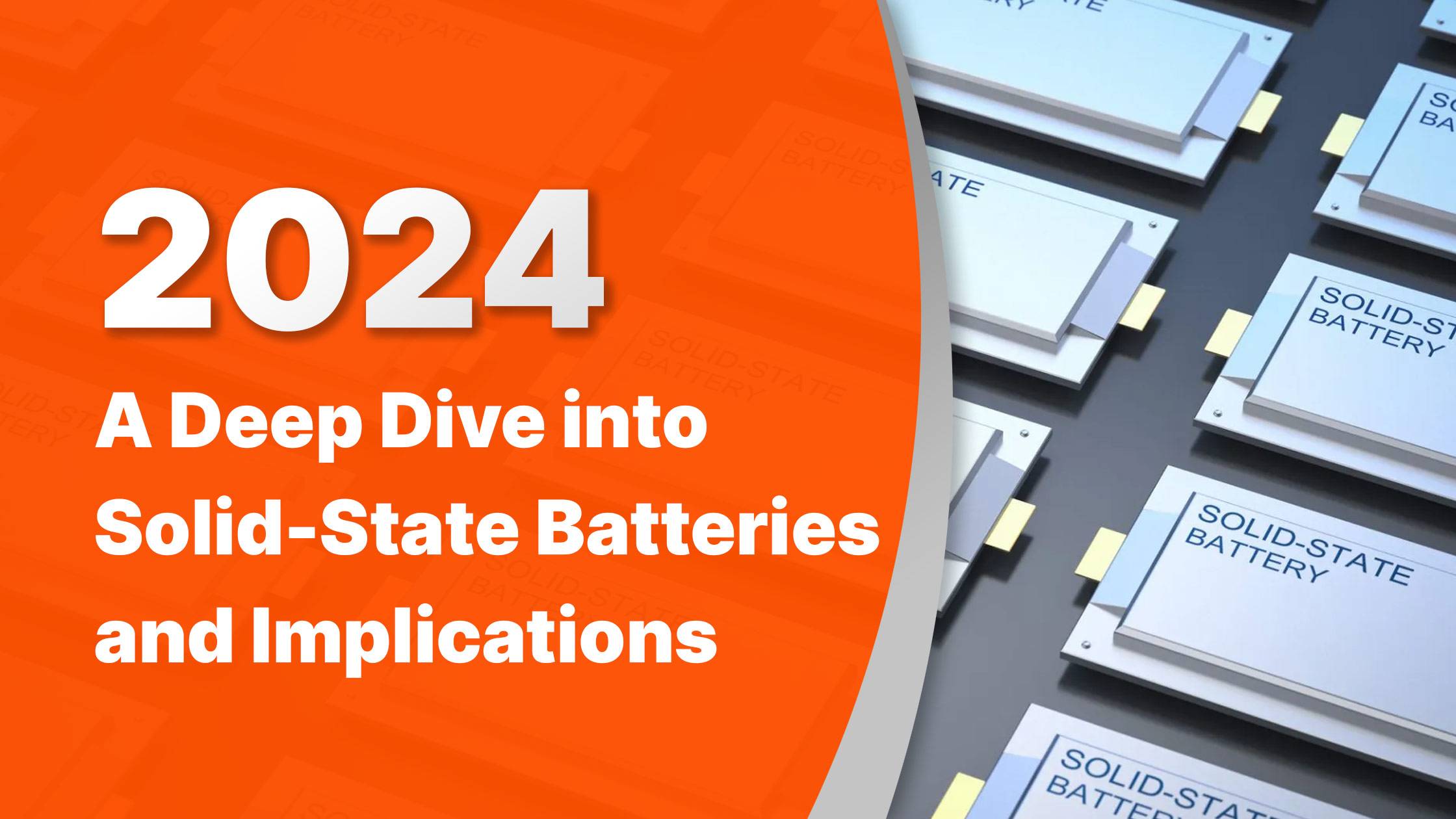
Lithium-ion batteries lead due to high energy density, declining costs, and scalability. They dominate applications like grid backup and solar farms. Innovations like Tesla’s Megapack and utility-scale projects highlight their adaptability. However, challenges like thermal management and resource scarcity persist, driving research into alternatives like solid-state lithium batteries.
What Are the Key Applications of Stationary Storage Systems?
Applications include renewable energy smoothing, peak shaving, and microgrid stabilization. For example, California’s Moss Landing project uses storage to offset solar intermittency. Industrial facilities deploy them for cost savings, while remote areas rely on storage for off-grid electrification. Emerging uses include EV charging hubs and data center backup.
| Application | Primary Use | Technology Used |
|---|---|---|
| Renewable Smoothing | Balance solar/wind variability | Lithium-ion, Flow Batteries |
| Peak Shaving | Reduce grid demand charges | Lithium-ion, Sodium-Sulfur |
| Microgrids | Islanded power supply | Hybrid Systems |
Why Are Flow Batteries Gaining Traction in Long-Duration Storage?
Flow batteries, like vanadium redox, excel in longevity and scalability. Their liquid electrolyte design allows decoupled power/capacity, ideal for 8+ hour storage. Projects like Dalian, China’s 200 MW system highlight their role in wind energy integration. Though costly upfront, their 20,000-cycle lifespan suits utilities prioritizing long-term reliability.
What Challenges Limit Widespread Adoption of Energy Storage?
High capital costs, regulatory hurdles, and safety concerns (e.g., battery fires) slow adoption. Recycling infrastructure gaps and material shortages (lithium, cobalt) further strain scalability. Policy misalignment, like outdated grid codes, complicates integration. Solutions include standardized safety protocols and government incentives, as seen in the U.S. Inflation Reduction Act.
For instance, permitting delays in the U.S. often add 2–3 years to project timelines, while the EU’s Redispatch 2.0 regulations streamline storage integration. Safety remains a key concern—South Korea’s 2019 battery fires caused $36 million in damages, prompting stricter certification requirements. Material scarcity is another hurdle: cobalt supply chains face ethical scrutiny, pushing manufacturers toward lithium iron phosphate (LFP) chemistries. Recycling programs, like the EU’s Battery Passport initiative, aim to recover 70% of lithium by 2030. Meanwhile, states like Texas are revising grid codes to reward fast-responding storage systems, creating new revenue streams for operators.
How Do Environmental Impacts Vary Across Storage Technologies?
Lithium-ion mining raises ecological and ethical concerns, whereas flow batteries use less critical materials. Thermal storage (molten salt) has minimal toxicity but lower efficiency. Lifecycle analyses show sodium-sulfur batteries reduce carbon footprints by 40% vs. fossil backups. Recycling initiatives, like Redwood Materials’ programs, aim to mitigate waste.
A 2023 MIT study compared water usage across technologies: lithium-ion extraction consumes 500 gallons per kWh, while vanadium flow batteries use 80% less. Lead-acid systems, though recyclable, leach toxins if improperly disposed. Emerging alternatives like iron-air batteries leverage abundant materials, cutting mining dependence. In Chile’s Atacama region, lithium extraction has reduced freshwater availability by 40%, spurring protests. Conversely, Sweden’s Northvolt uses hydropower to produce batteries with 70% lower emissions. The industry is also exploring circular models—Australian startups repurpose retired EV batteries for solar farms, extending lifespans by 8–10 years.
What Innovations Are Shaping the Next Decade of Energy Storage?
Solid-state batteries promise higher safety and energy density. Gravity-based systems (Energy Vault) use kinetic storage for zero-emission backup. Hydrogen hybrids, like Siemens’ projects, combine electrolyzers with batteries for multi-day storage. AI-driven optimization tools, such as Fluence’s bidding software, maximize revenue in electricity markets.
Expert Views: Redway’s Take on the Future of Stationary Storage
“The industry must prioritize sustainability alongside performance,” says a Redway engineer. “Hybrid systems integrating lithium with hydrogen or thermal storage will dominate. Policy reforms, like dynamic pricing models, are equally critical. We’re investing in second-life battery projects to reduce waste—imagine repurposing EV batteries for grid use, cutting costs by 30%.”
Conclusion
Stationary energy storage is the backbone of the renewable transition. While lithium-ion remains dominant, emerging technologies and policy shifts will diversify solutions. Addressing cost, safety, and environmental gaps will determine how swiftly global grids achieve decarbonization.
FAQs
- How Long Do Stationary Storage Systems Last?
- Most lithium-ion systems last 10-15 years. Flow batteries exceed 20 years with proper maintenance.
- Can Energy Storage Replace Fossil Fuel Peaker Plants?
- Yes. California and Australia already use storage to replace gas peakers, achieving faster response and zero emissions.
- What Is the Cheapest Form of Stationary Storage?
- Pumped hydro remains the lowest-cost option ($50-$200/kWh), but lithium-ion is catching up as prices fall.
What is stationary energy storage?
Stationary energy storage involves systems that store electricity for later use, typically using large-scale batteries. These systems help balance the energy grid, integrate renewable energy sources like solar and wind, and provide backup power during peak demand or outages, ensuring a stable and reliable electricity supply.
How does stationary energy storage power the future?
Stationary energy storage supports the transition to cleaner energy by enabling the integration of intermittent renewable sources. It stabilizes grids, reduces reliance on fossil fuels, and ensures a reliable power supply, especially during peak demand or emergencies. It helps reduce greenhouse gas emissions and improves energy access, particularly in off-grid areas.
What are the key components of stationary energy storage systems?
Key components of stationary energy storage systems include batteries, an electronic control system, inverters to convert DC to AC power, and a thermal management system to regulate temperature. These systems work together to store and release energy efficiently, ensuring consistent power delivery and grid stability.
How does stationary energy storage help with renewable energy integration?
Stationary energy storage stores excess electricity generated by renewable sources like solar and wind when production exceeds demand. This stored energy is then released when needed, making renewable energy more reliable and reducing the dependency on fossil fuel-powered plants. It ensures a consistent energy supply even when the renewable source isn’t generating power.
How does stationary energy storage improve grid stability?
Stationary energy storage enhances grid stability by providing power during peak demand, a process known as peak shaving. It also helps prevent blackouts and supports the restoration of grid power after an outage (black start). These systems balance supply and demand, improving the overall reliability of the electricity grid.
What are the environmental benefits of stationary energy storage?
Stationary energy storage helps reduce carbon emissions by enabling a higher percentage of renewable energy use, reducing the need for fossil fuels. It also reduces waste from traditional energy sources, improves air quality by eliminating harmful emissions, and promotes the use of clean energy technologies, contributing to a sustainable future.